
Flowers
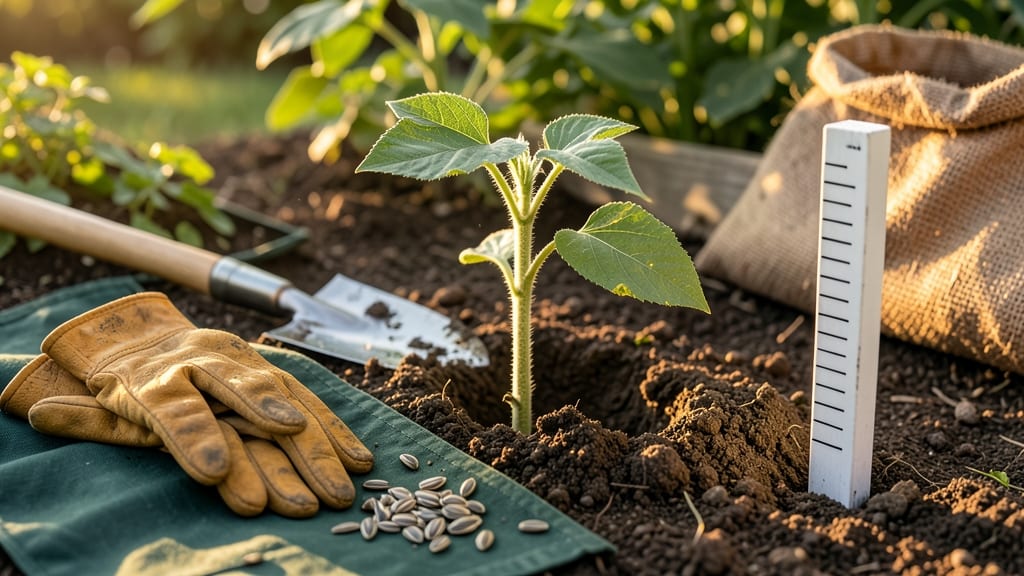
Plant sunflowers in Tennessee from mid-April through early June for towering blooms 🌻 — timing is everything in Zones 6a-7b, where a late frost can turn your dream garden into a sad, stunted mess.
Picture this: you’ve spent weeks watching seed packets, only to see your sunflowers shiver under a surprise frost. That’s why knowing your last frost date isn’t just helpful—it’s critical. In Nashville, that’s usually mid-April, but in Chattanooga, it can linger until early May.
Below, I’ll break down the exact planting windows for your zone, how to adjust for sunflower varieties, and why soil temperature matters more than you think. No more guessing—just sunlit success.
You’ll also discover when to plant a second crop for late-summer blooms and how to outsmart Tennessee’s unpredictable weather. Ready to grow sunflowers that reach for the sky?
Tennessee sunflower planting deadlines by Zone (5-7b) for maximum growth
Timing your sunflower planting in Tennessee is all about beating the last frost while avoiding overly hot soil that stunts germination. With USDA Zones 5a-7b spanning from Nashville's Zone 6b to Chattanooga's Zone 7a, your frost-free window shifts by weeks.
In Zone 5a (like parts of East Tennessee), you might see frost as late as May 15, while Zone 7b (West Tennessee) typically warms up by March 20. The key? Wait until soil temps hit 55°F—cold soil slows germination to a crawl.
For maximum growth, aim to plant your sunflower seeds between mid-April and early June in most of Tennessee. This window ensures your plants have 120-150 frost-free days to reach maturity.
In Nashville (Zone 6b), the last frost date averages April 15, giving you a 4-week buffer to plant after that. Meanwhile, Knoxville (Zone 6a) holds onto frost longer, with a safer planting window starting May 1.
Here’s your Tennessee sunflower planting timeline broken down by zone, including soil temperature thresholds and late-summer second-planting opportunities for extended blooms:
Don’t overlook the late-summer second-planting trick! By sowing dwarf varieties like 'Teddy Bear' or 'Moulin Rouge' in July, you can enjoy fall blooms until the first frost. In Zone 7b, these late plantings often flower by September, adding color when many gardens are winding down.
Just remember: shorter daylight means slower growth, so stick to compact varieties that mature in 60-70 days.
To test your soil temperature, bury a soil thermometer 2 inches deep for 24 hours. If it reads below 55°F, wait a few days—cold soil can delay germination by 1-2 weeks. Pro tip: Use black plastic mulch to warm soil faster in Zone 5
How to adjust planting timing for Tennessee’s microclimates and sunflower varieties
Tennessee’s diverse microclimates mean your Mammoth Russian sunflowers in Zone 5 need a different start than Teddy Bear varieties in Zone 7b. Giant sunflowers require earlier planting (late April) to reach their towering heights, while dwarf varieties can wait until early May.
The key? Match your sunflower variety to your local frost dates and soil warmth.
In cooler East Tennessee (Zone 5), I recommend starting giant varieties indoors 4-6 weeks before the last frost using grow lights. For West Tennessee’s warmer zones (6b-7b), direct sowing after April 15 works perfectly. The soil temperature must stay above 55°F for germination—use a soil thermometer to check!
Row covers are my secret weapon for Zone 5 gardeners. By placing lightweight fabric over newly planted seeds, I’ve extended the growing season by 3-4 weeks in Chattanooga’s cooler pockets.
This lets me plant Russian Giant varieties in early April without frost damage. Just remove covers when plants reach 6 inches tall to prevent overheating.
Earlier Planting for Giant Varieties
Pros
- ✅ Taller growth (12+ ft)
- ✅ Longer bloom time (July-October)
- ✅ Better seed production
Cons
- ❌ Longer germination (10-14 days)
- ❌ More vulnerable to early frost
- ❌ Requires staking for support
Later Planting for Dwarf Varieties
Pros
- ✅ Faster growth (50-60 days)
- ✅ No staking needed
- ✅ Easier to manage in small spaces
Cons
- ❌ Shorter bloom time (July-August)
- ❌ Smaller seed yield
- ❌ Less dramatic height (2-3 ft)
🌱 Pro Tip: For Zone 6-7, try 'Autumn Beauty'—it blooms in late summer when heat-tolerant varieties thrive!
Cold-hardy varieties like 'Russian Giant' and 'Moulin Rouge' handle Tennessee’s spring chills better than heat-sensitive types. I’ve seen 'Russian Giants' survive 28°F nights with mulch protection, while 'ProCut' (a hybrid) wilts under 90°F+ without shade.
Choose based on your local heat patterns—East Tennessee’s mornings stay cooler longer than Memphis’ afternoons.
For second plantings, I recommend heat-tolerant dwarf varieties like 'Teddy Bear' in late June. These bloom just before frost and attract late-season pollinators. Use black plastic mulch to warm soil faster—it can add 2-3 weeks to your growing season in Zone 5.
Just remember: never plant after August 1 unless you’re using row covers.
My final timing rule: Giant sunflowers need 90+ frost-free days to mature, while dwarfs thrive in 60-70 days. Check your local frost date (average October 15 in Tennessee) and count backward.
For Zone 5, that means plant by June 1 for second crops. In Zone 7b, you’ve got until July 1—but watch for humidity stress in August!