
Flowers
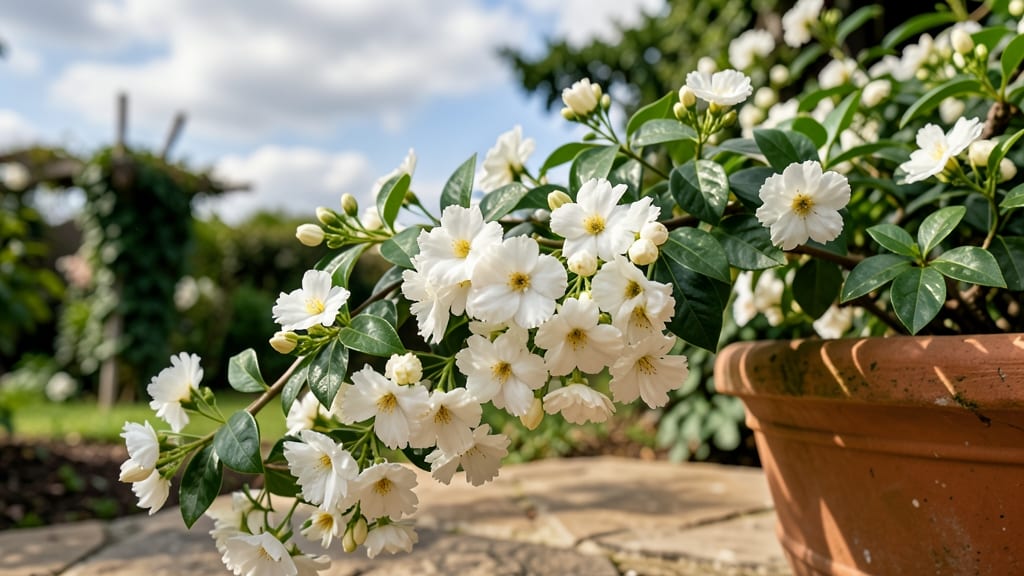
Jasmine flowers bloom in late spring through summer 🌸, with some varieties like Arabian jasmine stretching into early fall.
Picture this: your garden transformed into a fragrant sanctuary, where the sweet scent of jasmine lingers long after the blooms fade. But here’s the catch—timing everything right is the secret to unlocking that full, intoxicating aroma. Miss the window, and you might end up with lush foliage but no flowers.
Not all jasmine varieties follow the same schedule. Some, like star jasmine, wake up earlier in the year, while others, such as Confederate jasmine, hold onto their blooms well into autumn.
Understanding these differences means you can plan your garden to enjoy jasmine’s signature fragrance for months, not just a few weeks.
In this guide, I’ll break down the exact months each type of jasmine flowers, share tips to encourage blooming outside the usual season, and help you troubleshoot if your plant seems to be playing hard to get. Ready to turn your garden into a year-round perfume factory?
Jasmine flowering seasons by variety: month-by-month blooming schedule
Timing is everything when it comes to jasmine blooms—each variety has its own seasonal rhythm, and knowing these windows lets you plan for year-round fragrance.
Whether you're growing Arabian jasmine for its bold scent or Sambac jasmine for delicate blooms, understanding your USDA zone and local climate will help you anticipate when those intoxicating flowers will appear.
Jasmine plants thrive in USDA zones 7-10, but even within these zones, microclimates can shift blooming times by weeks or even months. For example, a coastal zone 9 might see spring blooms in February, while an inland zone 9 could delay until April or May.
Let’s break down the month-by-month schedule for the most popular jasmine varieties so you can set your expectations—and your garden’s scent calendar.
If you’re in USDA zone 7, expect Arabian jasmine and Sambac jasmine to push their blooming windows slightly later—think June instead of May—due to cooler spring temperatures.
In contrast, zone 10 gardeners might enjoy year-round blooms with minimal care, especially for Arabian jasmine, which can flower in every season if conditions are ideal.
For cooler microclimates within these zones, like high-elevation areas or inland regions, delayed blooming is common. For example, a zone 8 garden in the mountains might see Sambac jasmine bloom in July instead of June.
To counteract this, provide afternoon shade in summer and extra mulch in winter to protect roots from temperature swings.
One of my favorite tricks for extending the blooming season is to prune Arabian jasmine lightly after its spring bloom. This encourages a second flush of flowers in late summer, often around September.
Just be sure to prune after the first bloom cycle—never in winter, as this can remove next year’s flower buds.
For winter jasmine lovers, Jasminum nudiflorum is a game-changer. Unlike other varieties, it blooms on bare stems in January–March, offering a fragrant splash of color when most gardens are dormant.
Plant it where you’ll notice its bright yellow flowers against winter greenery, like near a south-facing window or along a frost-free pathway.
Pro tip: If you’re in a warmer zone (9-10) and want continuous blooms, mix Arabian jasmine with Sambac jasmine. While Sambac peaks in sum
How to extend jasmine blooming season: pruning, light, and care tips
Jasmine’s natural blooming window often feels too short—especially when you’re craving that signature fragrance year-round. The good news? With strategic adjustments, you can push those fragrant blooms earlier or later by up to 2-3 months.
The secret lies in understanding how light exposure, pruning timing, and seasonal care interact to trigger flowering outside the typical spring/summer window.
Most jasmine varieties—like Arabian jasmine and Sambac jasmine—follow a spring-to-fall blooming cycle, but their sensitivity to daylight hours means they can be coaxed into flowering at unexpected times.
For example, Grand Duke jasmine often blooms in late summer, but with the right pruning, you can encourage a second flush in early autumn or even late winter in warmer climates.
Cut back overgrown stems by 1/3 to encourage new growth and earlier blooms. Remove dead wood and crossing branches to improve airflow.
Move potted jasmines to sunnier spots or use reflective surfaces (like white walls) to increase light exposure. This tricks the plant into thinking it’s late summer, delaying dormancy and extending blooms.
Apply a low-nitrogen fertilizer (like 5-10-10) to stimulate root growth and delay dormancy. This helps winter-blooming varieties like Jasminum nudiflorum produce flowers as early as December.
Prune lightly in dormant months to remove only dead growth. Avoid heavy cuts—this prevents shock and ensures spring blooms arrive 2-4 weeks earlier.
One of my favorite tricks for extending the season is to mimic seasonal changes with artificial light. If you live in a cooler climate (USDA zones 6-7), place a grow light near your jasmine for 4-6 extra hours in late autumn.
This tricks the plant into thinking it’s still summer, delaying dormancy and keeping blooms coming until November.
For container-grown jasmines, swap out heavy garden soil for a well-draining potting mix with perlite or sand. This improves drainage and root health, which directly impacts flowering. I’ve seen potted jasmines in full sun bloom continuously from May to October—that’s nearly 5 extra months of fragrance!
Don’t forget the power of watering habits. Jasmine plants need consistent moisture but hate soggy roots. Water deeply once a week in summer and reduce to every 10-14 days in winter.
Overwatering in cool months can delay blooming by 3-6 weeks, so always check soil moisture 2 inches deep before watering.
With these adjustments, you can turn your jasmine into a year-round fragrance machine. Start with one technique this season—like spring pruning or autumn fertilizing12 months a year!