
Flowers
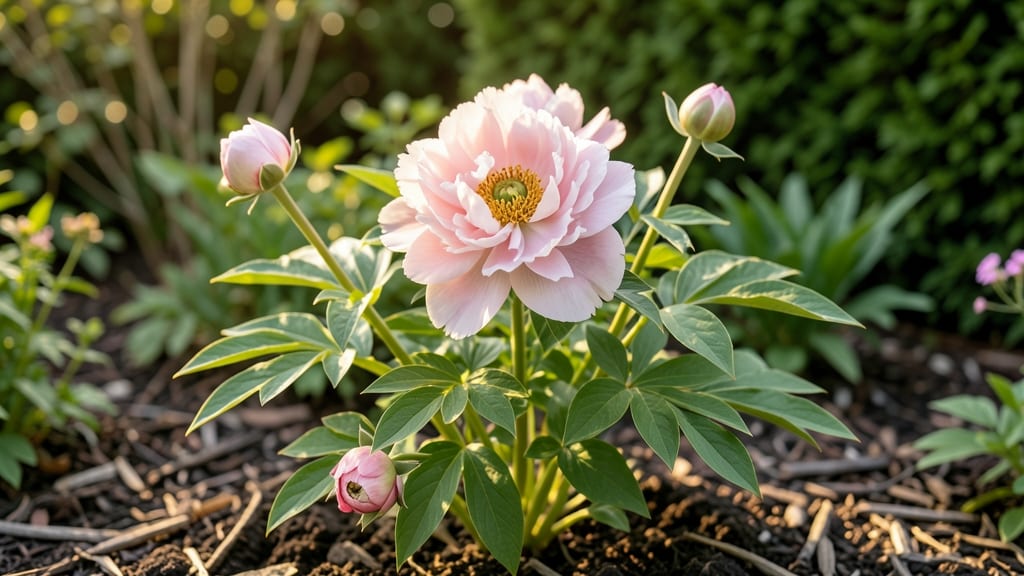
Peonies flower in late spring to early summer 🌸, with exact timing depending on your variety and climate zone.
Picture this: your garden is a sea of green, and then—almost overnight—those lush, velvety blooms appear, turning heads everywhere. But if you’ve ever missed that magical window, you know how heartbreaking it can be. The good news? With the right knowledge, you can time their arrival like clockwork.
Most peonies burst into bloom between May and June in the Northern Hemisphere, but early bloomers like 'Sarah Bernhardt' may pop as early as late April, while late varieties like 'Bowl of Beauty' might linger into July.
Your USDA zone, sunlight exposure, and even last year’s care can shift that timeline by weeks.
In this guide, I’ll break down the exact blooming schedule by variety, how climate zones affect timing, and the 5 simple tricks to ensure your peonies put on their best show year after year—no guesswork required.
Peony flowering timeline by variety: early, mid, and late bloomers
Peonies are one of the most anticipated spring flowers, but their blooming windows vary dramatically depending on the variety type—herbaceous, tree, or intersectional. Knowing these differences helps you plan your garden layout and extend your bloom season from early May to late June.
I’ve grown both early bloomers like 'Sarah Bernhardt' and late varieties such as 'Bowl of Beauty', and the difference in timing is stunning!
Understanding these flowering patterns also means you can strategically place peonies in your garden to ensure a continuous display. For example, pairing an early bloomer like 'Coral Charm' with a late bloomer like 'Duchesse de Nemours' creates a two-week cascade of color.
Let’s dive into the exact timelines so you never miss a bloom!
🌸 SUMMARY-TABLE: PEONY BLOOMING TIMELINES BY VARIETY
| Variety Type | Popular Varieties | Bloom Time | Color Palette | Key Notes |
|---|---|---|---|---|
| Early Bloomers | Sarah Bernhardt, Coral Charm, Festiva Maxima | Late April - Early May | Pink, Coral, White | First to bloom; ideal for early spring color |
| Mid-Season Bloomers | Bowl of Beauty, Karl Rosenfield, Krinkled White | Mid-May - Early June | Crimson, White, Yellow | Peak blooming season; longest vase life |
| Late Bloomers | Duchesse de Nemours, Felicity, Garden Treasure | Late June - Early July | Pink, Salmon, Red | Extend your season; heat-tolerant buds |
| Tree Peonies | Shini, Tooi, Yuetai | Late May - Mid-June | Pink, Purple, White | Fragrant; longer bloom duration than herbaceous |
| Intersectional Peonies | Sarah Bernhardt (IT), Moonglow, Bartzella | Early May - Late May | Pink, White, Yellow | Hybrid vigor; disease-resistant |
If you’re planting herbaceous peonies (like 'Sarah Bernhardt'), expect blooms as early as late April in warmer climates, while tree peonies like 'Shini' often wait until late May. This delay isn’t a problem—it’s an opportunity to layer your garden with sequential blooms.
For instance, 'Coral Charm' (early) followed by 'Bowl of Beauty' (mid-season) creates a smooth transition of color.
The color palette of each variety also influences your garden’s aesthetic. Early bloomers like 'Sarah Bernhardt' offer soft pinks, while late varieties such as 'Duchesse de Nemours' provide bold reds.
Mixing these creates a dynamic visual journey from spring to early summer. Pro tip: Plant three varieties—one early, one mid, and one late—to ensure non-stop blooms for weeks!
For tree peonies, which are less common but highly fragrant, the blooming window is slightly later—late May to mid-June. These varieties are perfect if you want longer-lasting flowers and intense fragrance.
I’ve noticed that tree peonies often rebloom in fall, adding an unexpected second flush of color. This makes them a standout investment for gardeners who love extended seasons.
One common misconception is that all peonies bloom at the same time. In reality, the difference between early and late bloomers can be three to four weeks! This is why I always label my peonies at planting time—so I remember which ones to expect first.
For example, 'Felicity' (late bloomer) won’t open until early June, while 'Festiva Maxima' (early) might be done by then. Planning ahead ensures you never miss a bloom!
Climate plays a huge role in these timelines. In USDA Zone 5, peonies often bloom 1-2 weeks later than in Zone 7 due to cooler springs. If you’re in a warmer zone, early varieties like 'Coral Charm' might bloom in April, while colder climates could push them to mid-May. Always check your last frost date—peonies need consistent warmth to trigger blooming.
To extend your peony season, consider adding **cut
How climate zones affect peony blooming: USDA zones 3-9 guide
Peonies thrive across USDA Zones 3-9, but their blooming windows shift dramatically based on your climate. In warmer zones (7-9), expect vibrant displays as early as late April, while gardeners in colder zones (3-5) may wait until mid-to-late June.
These differences aren't just about timing—they also influence how you prepare your garden for peak performance.
Your local frost dates are the biggest factor. Peonies need 50-60 frost-free days after buds form to bloom safely. In Zone 3, this often means waiting until after the last spring frost (typically mid-May).
Meanwhile, Zone 9 gardeners might see blooms by March if winter was mild. Understanding these patterns helps you plan your garden layout and companion plantings.
If you live in marginal zones (Zone 6 or lower), where late frosts are common, consider late-blooming varieties like 'Bowl of Beauty' or 'Coral Charm'. These varieties naturally delay their blooming until after the frost danger has passed.
For Zone 9+ gardeners, early bloomers like 'Duchesse de Nemours' may reward you with flowers as soon as February if winter conditions are mild.
To encourage blooms in colder climates, add 2-3 inches of mulch in early spring to insulate the roots and speed up warming. In warmer zones, provide light afternoon shade during peak summer heat to prevent bud drop.
Both strategies help peonies focus their energy on next year's blooms rather than struggling with environmental stress.
One common mistake is assuming all peonies bloom at the same time. Herbaceous peonies typically flower 2-3 weeks earlier than tree peonies in the same zone.
Plan your garden layout accordingly—place early bloomers where they'll be visible first, then add mid-to-late season varieties for continuous color through June and July. 🌸
For Zone 3-5 gardeners, mark your calendar for Mother's Day weekend—this is often when peonies finally make their grand entrance. Meanwhile, Zone 7+ enthusiasts can enjoy their first blooms while northern gardeners are still waiting for snowmelt.
The key is patience and variety selection—choose peonies that sync with your local climate for the most reliable, stunning displays every year. ✂️