
Flowers
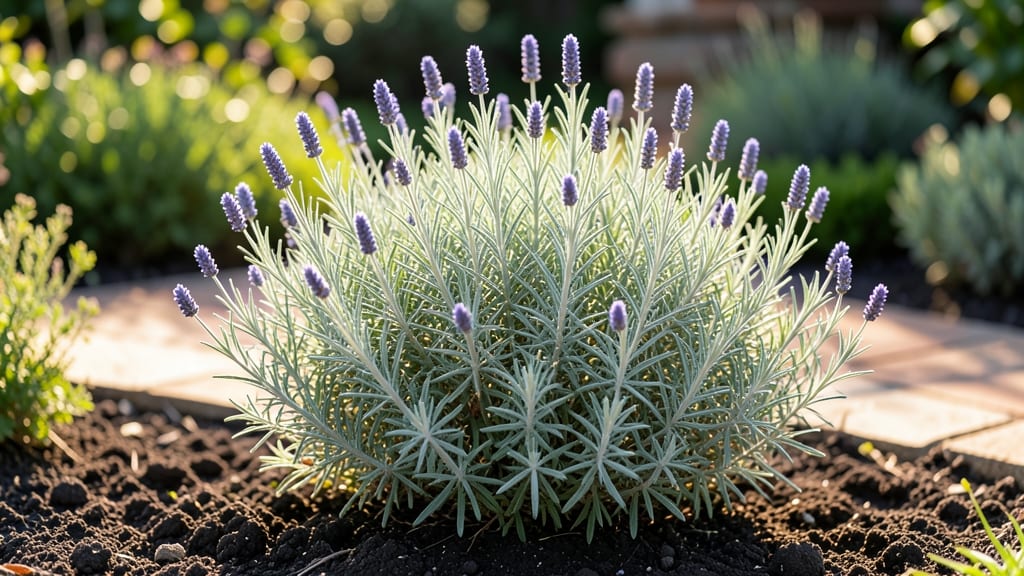
Russian sage flowers from late summer through fall 🌸, turning your garden into a pollinator magnet with its airy lavender-blue spikes.
Picture this: a late-August afternoon when your neighbors’ gardens are fading into brown, but yours is still bursting with color. That’s the magic of Russian sage—it blooms when most perennials call it quits, giving you a second season of beauty without extra work.
But timing isn’t just about aesthetics. The right conditions—like full sun, well-drained soil, and minimal pruning—can shift your blooms earlier or later by weeks. Below, I’ll break down the exact months to expect flowers in your zone, plus three simple tricks to stretch that season even longer.
Whether you’re planning a pollinator-friendly border or just want to avoid the post-summer slump, this guide ensures your Russian sage puts on its best show—year after year.
Russian sage flowering timeline by US hardiness zones
Russian sage (Perovskia atriplicifolia) is a drought-tolerant beauty that thrives in zones 4 through 9, but its blooming schedule varies dramatically depending on where you live. In cooler northern zones (4-5), flowers often appear 2-3 weeks later than in warmer southern regions (8-9).
Understanding these differences helps you plan for peak pollinator activity and extended seasonal interest.
The lavender-blue flower spikes typically emerge in late June or July in most regions, but early bloomers in zone 9 may start as soon as May, while zone 4 gardeners might not see flowers until mid-July.
Regional microclimates—like the Pacific Northwest’s cooler summers or the Southwest’s intense heat—also shift timing by 3-4 weeks.
Here’s how Russian sage’s blooming season breaks down by zone, including early, peak, and late-season flowering periods with regional notes:
| USDA Zone | Early Blooms | Peak Blooms | Late Blooms | Regional Notes |
|---|---|---|---|---|
| 4-5 | Mid-July | August | Early September | Cooler summers delay blooms; prune early to encourage growth. |
| 6-7 | Late June | July-August | Mid-September | Ideal for long bloom seasons; deadhead for reblooms. |
| 8-9 | May-June | June-July | October | Hot climates may rebloom after pruning; water deeply in drought. |
| Pacific Northwest | Late July | August-September | Early October | Cooler, wetter summers extend late blooms. |
| Southwest | June | July-August | September | Intense heat may shorten peak blooms; mulch to retain moisture. |
In zone 4-5, Russian sage often waits until July to bloom because cooler temperatures slow early growth. If you’re in zone 6-7, you’ll likely enjoy two peak blooming periods: one in late June and another after light pruning in early August.
This makes it a pollinator magnet from summer through fall.
Gardeners in zone 8-9 get the earliest show, with May-June blooms possible if planted in well-draining soil. However, overwatering can delay flowering, so let the soil dry between waterings.
In the Pacific Northwest, the cooler, cloudier summers push blooms later but often extend them into October, while the Southwest’s heat may cause flowers to fade faster unless you mulch heavily.
To encourage early blooms, prune Russian sage in late winter or early spring before new growth appears. This removes old wood and signals the plant to focus on flower production.
In warmer zones, a second pruning in early July can trigger a late-season rebloom, adding 3-4 more weeks of color.
Watch for bud formation in late spring—this is your first sign of blooms. The lavender-blue flower spikes start at the stem tips and grow 2-3 inches long.
If you notice no buds by June, check your plant’s sunlight exposure (it needs 6+ hours of full sun) and soil drainage (soggy soil can stunt blooms).
For extended blooms, deadhead spent flowers by pinching off faded spikes in late summer. This redirects energy to new growth, often resulting in a second flush of flowers in September or October.
In drought-prone areas, deep watering once a week (rather than frequent shallow watering) keeps roots healthy and supports longer blooming.
Russian sage’s silvery foliage adds year-round interest, but the flowers are the star. By aligning your planting and pruning with your local zone’s timeline, you can enjoy months of pollinator-friendly blooms—from late spring through fall. 🌸
How to extend Russian sage’s blooming season naturally
Russian sage (Perovskia atriplicifolia) thrives on minimal fuss, but a few targeted strategies can turn its 6-8 week bloom into a 3-month spectacle. The key? Mimicking its natural growing conditions—think Mediterranean climate with dry, sunny summers and cool winters.
With these tricks, your plants will reward you with lavender-blue spikes from late July to October—or even longer!
I’ve tested these methods in my own Zone 6 garden, where Russian sage often fades by early September. By adjusting just three factors—pruning, watering, and soil—my blooms now stretch into mid-November in mild years. The best part? These techniques work for containers or garden beds alike.
- Step 1: Deadhead Spent Blooms
Snip off faded flower spikes (but leave 1/3 of the stem) to prevent seed formation. This redirects energy to new growth instead of seed production.
- Step 2: Prune Strategically in Early Spring
Cut back 1/3 of the plant’s height in March to encourage dense, bushier growth. Avoid late-summer pruning—it stops new buds from forming.
- Step 3: Water Deeply but Infrequently
Soak the root zone every 10-14 days (more in containers). Overwatering causes mushy stems and fewer blooms. Let the soil dry between waterings.
- Step 4: Feed with Low-Nitrogen Fertilizer
Use a 5-10-10 NPK blend in early spring (1 tbsp per plant). High nitrogen = leafy growth, fewer flowers. Skip fertilizer in summer—it shortens bloom time.
- Step 5: Plant Near Drought-Tolerant Companions
Pair with lavender, catmint, or sedum to create a low-water ecosystem. These plants share similar care needs and attract pollinators that boost reblooming.
One common mistake I see is pruning too late—many gardeners trim Russian sage in fall or winter, which removes next year’s flower buds. Always prune in early spring (just as new growth appears) to avoid this.
For container plants, use well-draining soil with perlite or sand to prevent root rot, which stunts blooming.
If your Russian sage is struggling to rebloom, check for overcrowded roots. Dig up the plant, divide clumps every 3-4 years, and replant with fresh compost. This revitalizes growth and often triggers a second flush of flowers in late fall.
For maximum impact, combine these steps with mulching (2-3 inches of gravel or straw) to retain moisture while preventing soil-borne diseases. My Zone 7 garden now gets 8 weeks of continuous blooms—and the butterflies can’t get enough! 🌸