
Planting
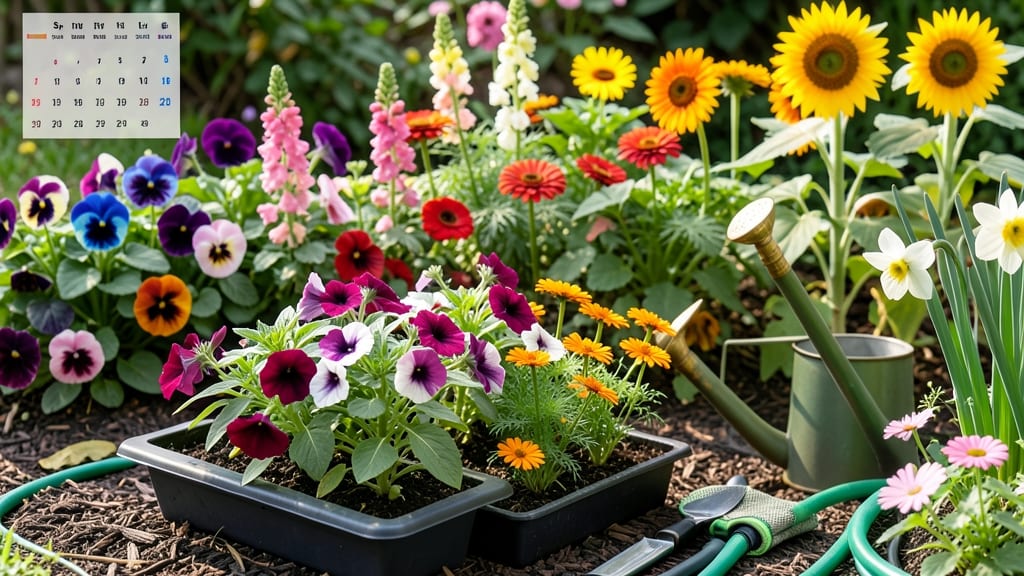
The best time to plant flowers outside falls in spring after the last frost or fall 6-8 weeks before the first frost—timing that turns a wilted mess into a garden bursting with color.
Picture this: you’ve prepped the soil, chosen your 🌸 favorite blooms, and the weather looks perfect—only to wake up to a surprise frost. That’s the nightmare every gardener wants to avoid, and the key to beating it is knowing your USDA zone’s frost-free window.
Whether you’re in Zone 6a or a warmer region, planting too early can stunt growth, while waiting too long risks stunted roots. The trick? Start annuals 2-4 weeks before your last frost date and tuck in perennials a bit earlier for a head start.
In this guide, I’ll break down the exact planting windows by zone, flower type, and even soil prep tips to ensure your garden thrives—not just survives. Let’s get those blooms off to the best start!
How to determine your frost-free window by USDA Zone for flower planting
Understanding your frost-free window is the first step to planting flowers successfully. This window—the period between your average last frost date and first frost date—determines when your garden is safe for planting.
For example, in USDA Zone 6a, like many Midwestern states, the frost-free window typically runs from mid-April to mid-October. But your exact window depends on your location, and even small differences in elevation or microclimates can shift these dates by weeks.
Start by finding your USDA hardiness zone using the USDA Plant Hardiness Zone Map. This map divides North America into 13 zones based on average annual minimum temperatures. For instance, Zone 5 has colder winters than Zone 8, so frost dates will differ significantly.
Once you know your zone, you can estimate your last frost date by checking local historical records or using tools like the National Oceanic and Atmospheric Administration (NOAA) frost date calculator.
Next, calculate your frost-free window by subtracting the first frost date from the last frost date. For example, if your last frost is April 15 and your first frost is October 15, your frost-free window is roughly 182 days.
This window is your garden’s growing season, and it’s the perfect time to plant most annual flowers and tender perennials. However, cool-season flowers like pansies or snapdragons can handle light frosts and may be planted earlier.
Your frost-free window also helps you decide between spring planting and fall planting. For most flowers, spring planting occurs 2-4 weeks after your last frost date, while fall planting happens 6-8 weeks before your first frost date.
This timing ensures flowers establish roots before winter dormancy. For instance, in Zone 7, you might plant marigolds in early May for spring blooms or late August for fall color.
| USDA Zone | Last Frost Date | First Frost Date | Frost-Free Window | Best Planting Time |
|---|---|---|---|---|
| Zone 3-4 | Mid-May | Mid-September | 120-130 days | Late May to early June (spring) or late July (fall) |
| Zone 5-6 | Mid-April | Mid-October | 180-190 days | Early May to late May (spring) or late August (fall) |
| Zone 7-8 | Early March | Late November | 240-250 days | Late March to early April (spring) or early September (fall) |
| Zone 9-10 | Early January | Mid-December | 330-360 days | Early January to February (spring) or late October (fall) |
Adjust your planting times based on whether you’re growing annuals or perennials. Annual flowers, like zinnias or sunflowers, thrive when planted after your last frost date because they complete their life cycle in one season.
In contrast, perennials, such as coneflowers or black-eyed Susans, benefit from an earlier start—plant them 2-4 weeks before your last frost date to give roots time to establish before summer heat arrives.
For heat-loving flowers, like lantana or gaillardia, wait until the soil is at least 60°F (15°C) before planting. These flowers struggle in cool soil and may rot or fail to thrive. Use a soil thermometer to check temperatures, especially in northern zones where soil warms slowly.
In southern zones, you might even plant some flowers in late winter to avoid summer heat stress.
Don’t forget to account for microclimates in your garden. A south-facing wall or paved area can create a warmer microclimate, extending your frost-free window by 1-2 weeks. Conversely, low-lying areas or shady spots may experience frost 10-14 days later than the rest of your garden.
Use these microclimates strategically—plant heat-sensitive flowers in cooler spots and frost-tolerant varieties in warmer areas.
If you’re unsure about your local frost dates, consult your local cooperative extension service or gardening groups. They often have decades of data on frost patterns and can provide hyper-local advice.
For example, a gardener in Zone 6b might find their last frost occurs on April 22 instead of the average April 15, shifting their planting window by a week.
Always err on the side of caution—planting too early can kill tender seedlings, while waiting too long may shorten your bloom season.
Once you’ve nailed down your frost-free window, use it to plan your flower succession planting. By staggering plantings every 2-3 weeks
Best flower planting times by type: annuals, perennials, and bulbs explained
Understanding the best planting times for your flowers depends entirely on their type—whether they're annuals, perennials, or bulbs. Each category has unique needs, especially when it comes to frost sensitivity and seasonal growth cycles.
For example, cool-season annuals like pansies thrive when planted 4-6 weeks before the last frost, while warm-season favorites like marigolds need to wait until after the frost danger has passed.
Perennials often have a broader window, but timing still matters. Many hardy perennials, like coneflowers or black-eyed Susans, can be planted in early spring or fall, as long as the soil isn't frozen.
Bulbs, on the other hand, often need to be planted in fall to establish roots before winter dormancy. The key is aligning your planting schedule with your USDA zone and the frost-free window.
- 🌱 Cool-Season Annuals (e.g., pansies, snapdragons): Plant 4-6 weeks before last frost—they tolerate light frost.
- ☀️ Warm-Season Annuals (e.g., petunias, zinnias): Wait until after last frost—soil must be at least 60°F.
- 🌿 Perennials (e.g., lavender, daylilies): Plant in early spring or fall—avoid extreme heat or frost.
- 🌷 Spring-Blooming Bulbs (e.g., tulips, daffodils): Plant in fall (6-8 weeks before frost) for spring blooms.
- 🌹 Summer-Blooming Bulbs (e.g., dahlias, cannas): Plant in spring after frost—they need warm soil.
For cool-season annuals, the goal is to get them established before the ground warms up too much. These flowers often bolt (go to seed prematurely) if planted too late.
I recommend checking your local frost dates and planting pansies or sweet alyssum in early spring for a long-lasting display. If you miss the spring window, some cool-season varieties can even handle a light frost, making them versatile for early or late planting.
Warm-season annuals, like geraniums or marigolds, are far more finicky. They won’t survive frost, so waiting until the soil is warm and the air is consistently above 50°F at night is critical.
In USDA Zones 8-10, you can even plant these in late winter for an early start, but in colder zones, patience is key. I’ve learned the hard way that rushing warm-season flowers can lead to stunted growth or even death.
Perennials are often the easiest to work with because they return year after year. However, planting them at the wrong time can stress the plant, reducing its ability to establish roots before winter.
For example, peony bushes need to be planted in fall to develop strong roots before dormancy, while black-eyed Susans can handle spring planting as long as the soil isn’t soggy. Always aim to plant perennials when the soil is workable—neither frozen nor baked by the sun.
Bulbs are a gardener’s secret weapon for low-maintenance color, but their planting times are non-negotiable. Spring-blooming bulbs, like tulips and daffodils, must go into the ground in fall to undergo a chilling period that triggers blooming.
If you plant them in spring, you’ll likely end up with leaves but no flowers. Meanwhile, summer-blooming bulbs, such as dahlias, need to wait until the soil is warm—usually after the last frost—before they’ll thrive.
I always mark my calendar for October 1st as my deadline for planting spring bulbs in Zone 6a.
Remember, these guidelines are a starting point, not a rulebook. Factors like microclimates, soil drainage, and unpredictable weather can shift your ideal planting window.
Always monitor your garden’s conditions and adjust accordingly. With the right timing, your flowers will reward you with vibrant blooms all season long! 🌻