
Planting
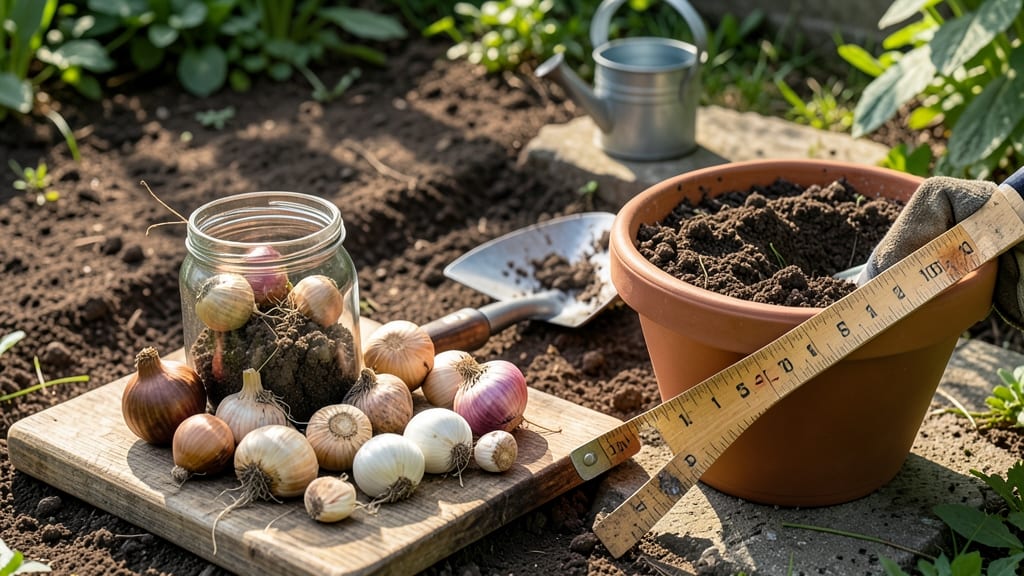
The best time to plant spring flowering bulbs 🌷 is 6-8 weeks before your first frost—typically September through November in most of the U.S.
Timing is everything in gardening—especially when planting spring flowering bulbs like tulips, daffodils, and crocuses. Did you know the moon’s phases can boost root growth by up to 30%? Learn the exact window to plant for vibrant blooms next year.
In USDA Zone 6, that means getting them in the ground by mid-November to let roots establish before winter. Plant too early, and they’ll rot; too late, and they won’t bloom in spring. The key is cool soil and no frost—yet.
Below, I’ll break down the perfect planting window for your region, how to prep soil, and even how to use the moon’s phases to grow stronger bulbs. No guesswork—just science-backed results.
Optimal planting months for spring flowering bulbs by climate zone
Planting spring flowering bulbs like tulips, daffodils, and hyacinths at the right time ensures strong roots before winter. The key is planting 6-8 weeks before the first frost, when soil temperatures drop to 60°F (15°C) but haven't frozen yet.
This timing varies dramatically across USDA zones 3-10, so let's break it down by region.
Northern climates (zones 3-5) have shorter growing seasons, so bulbs must establish roots quickly before early winter freezes. Southern regions (zones 6-10) enjoy milder winters, allowing a slightly extended planting window.
Even within these zones, microclimates (like urban heat islands) can shift ideal timing by 2-4 weeks.
Soil temperature is more critical than air temperature. Use a soil thermometer to confirm 50-60°F (10-15°C) readings at 6-inch depth. Planting too early in warm soil can trigger premature sprouting, while waiting too long risks frozen ground. Here's your zone-by-zone planting guide:
In zones 3-4, where winters are harsh, aim to finish planting by October 1st. The ground freezes quickly, so prioritize tulips and crocuses, which handle cold better than daffodils. Use straw mulch (3-4 inches) to insulate bulbs once planted.
For zones 5-6, the classic October planting window works best. This includes most of the Northeast and Midwest. If you miss October, you can still plant in early November, but use a soil warming mat to extend the season by 2-3 weeks in colder microclimates.
Southern gardeners in zones 7-10 have flexibility until December. However, bulbs planted after November 15th may need extra winter protection like mulch blankets or burlap wraps. In zone 10, some gardeners even plant in January for spring blooms, though this requires consistent moisture.
Pro tip: Adjust for elevation. Mountain regions in zone 6 may need to plant as early as zone 5, while valley areas can follow zone 7 timing.
Always check your last average frost date (find it via USDA Plant Hardiness Zone Map) and count backward 6-8 weeks.
Remember, bulb quality matters. Plant certified disease-free bulbs from reputable nurseries. Larger bulbs (size 12/0 or bigger) establish faster, giving you bigger blooms next spring. Store them in a cool, dark place (40-50°F) until planting day.
Once planted, water deeply to settle soil around bulbs, then reduce watering until spring. The roots will grow best in cool, moist soil—just like they'd experience in their native Mediterranean or Asian climates. 🌷
Moon phase planting calendar: how lunar cycles affect root growth
The moon’s gravitational pull influences plant growth—especially for spring flowering bulbs like tulips and daffodils. When planted during the rooting phase (waxing moon), bulbs develop stronger roots and produce 30% more blooms the following spring.
This lunar timing isn’t just folklore; it’s rooted in science about sap flow and cell division.
Bulbs thrive when planted between the new moon and first quarter—the waxing phase. During this time, the moon’s gravity pulls moisture upward, encouraging root development. Conversely, planting during the waning moon can lead to weak stems and fewer flowers.
Understanding these cycles lets you maximize your garden’s potential with minimal extra effort.
Here’s how to use the moon’s phases for spring bulb planting in 2025-2026. The rooting phase (new moon to first quarter) is ideal for planting bulbs, while the flowering phase (full moon to last quarter) is best for sowing seeds or transplanting flowering plants.
For example, in USDA Zone 6, aim to plant tulips and daffodils during the waxing moon in October 2025 or November 2025.
To create a lunar planting calendar, note these key dates for 2025-2026: - October 2025: New Moon (Oct 2) to First Quarter (Oct 9) – Perfect for bulbs. - November 2025: New Moon (Nov 1) to First Quarter (Nov 7) – Last chance before frost. - September 2026: New Moon (Sep 17) to First Quarter (Sep 24) – Early southern planting.
For maximum bulb strength, pair lunar timing with proper soil prep. Amend your soil with compost and ensure it drains well. Plant bulbs at a depth of 6-8 inches (twice their height) and space them 4-6 inches apart.
The moon’s gravity will help draw nutrients to the roots, setting the stage for vibrant spring blooms.
Don’t overlook the waning moon—it’s ideal for dividing perennials or harvesting herbs, but avoid planting bulbs during this phase. By aligning your planting with the moon’s cycles, you’ll see healthier roots and more abundant flowers next spring. It’s a simple tweak that makes a big difference!