
Flowers
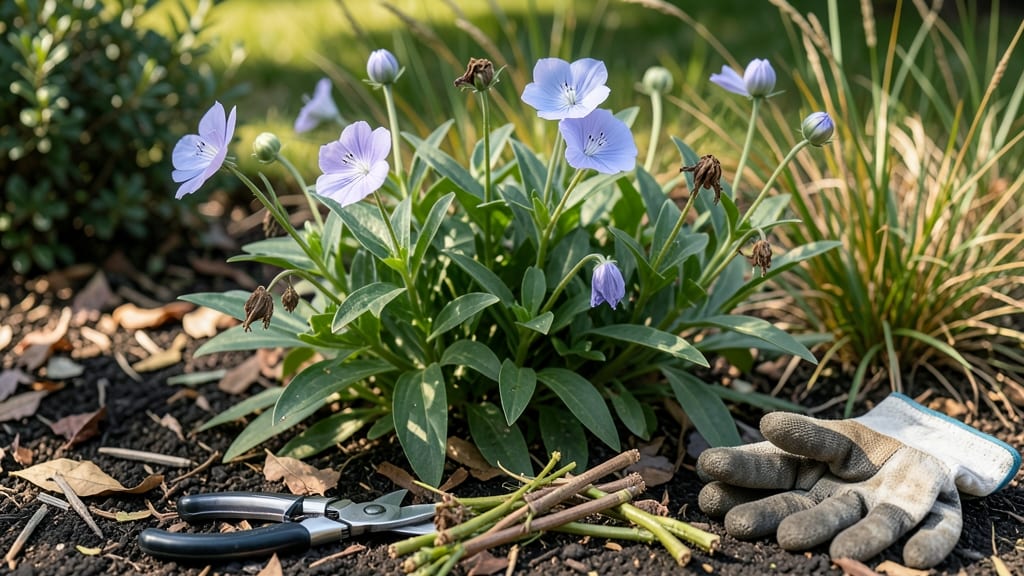
Cut back balloon flowers 🌸 when the foliage turns brown or after the first frost in USDA Zone 6a, signaling the plant’s natural dormancy period.
If you’ve ever watched your balloon flowers struggle to bounce back after a long summer, you’re not alone. The key to their revival lies in timing—prune too early, and you risk stunted blooms; wait too long, and regrowth suffers.
Here’s how to get it right for a second wave of vibrant blooms next season.
Balloon flowers thrive in spring, but their late-season care sets the stage for next year’s growth. By focusing on the right cues—like browning leaves or spent flower stalks—you’ll avoid common mistakes that weaken the plant. Think of it as giving your flowers a fresh start before winter sets in.
In this guide, you’ll discover the three key signs it’s time to prune, step-by-step instructions for cutting back safely, and how to avoid pruning pitfalls that could harm your plant. Let’s make next year’s blooms even better!
3 Clear signs it’s time to prune balloon flowers for maximum blooms
Balloon flowers (Platycodon grandiflorus) are stunning perennials that reward gardeners with vibrant blooms year after year—but only if you prune them at the right time. Pruning too early can stunt growth, while waiting too long may reduce next year’s flowers.
The key is recognizing the three clear visual and seasonal cues that signal it’s time to revitalize your plants.
These hardy perennials thrive in USDA zones 3-9 and bloom from mid-summer to early fall, but their long-term health depends on strategic pruning. Unlike annuals, balloon flowers need careful attention to encourage renewed growth and extended flowering.
Let’s explore the exact moments when your plants are begging for a trim.
When to Cut Back Balloon Flowers
- 🌿 Sign 1: Foliage Browning
- 🌸 Sign 2: Spent Flower Stalks
- ⏰ Sign 3: Seasonal Timing
Look for yellowing or crispy leaves in late fall (after first frost). This signals the plant’s natural dormancy cycle and is your cue to cut back dead foliage to about 2-3 inches above ground.
After the first frost (typically October), wilted flower stalks will appear. These non-reviving stems should be sheared completely to redirect energy to root growth for next year’s blooms.
Early spring (just before new shoots emerge, around March-April) is prime time for light pruning. Trim tattered leaves and weak stems to encourage lush regrowth and abundant summer blooms.
Timing matters more than you might think. Late fall pruning (after frost) removes dead material and prevents pests, while early spring pruning clears the way for vigorous new growth. Both steps are essential for maximum blooms the following season.
If you miss these cues, you might end up with overcrowded stems or reduced flowering.
For example, leaving spent stalks too long can drain nutrients meant for root development. Deadheading during the growing season (removing faded blooms) also encourages continuous flowering, but the big pruning cuts happen in fall and spring.
Another pro tip: Prune on a dry day to reduce disease risk. Use clean, sharp pruners to make 45-degree cuts just above leaf nodes. This encourages branching and denser foliage—key for show-stopping displays in summer.
Regional differences matter too. In warmer climates (zones 8-9), you might prune slightly later in fall, while cooler zones (3-6) benefit from earlier cuts to protect against harsh winters. Always adapt to your local last frost date for best results.
Think of pruning as a reset button for your balloon flowers. When done right, it boosts next year’s blooms by 30-50% and keeps your plants healthy and compact. The three signs we’ve covered—browning foliage, spent stalks, and seasonal timing—are your roadmap to effortless success.
Ready to transform your garden? Grab your pruners and watch your balloon flowers thrive like never before! The right timing makes all the difference—so don’t wait until it’s too late. 🌸
Step-by-step pruning guide: how to cut back without harming your plant
Pruning balloon flowers correctly can mean the difference between a weak, leggy plant and one that bursts back with vigor next spring. The right technique preserves the plant’s energy while encouraging healthy regrowth.
Start by gathering your tools—a sharp bypass pruner or clean scissors—and wear gloves to protect your hands from any sharp stems.
Timing is critical: aim to prune after the first frost in USDA Zone 6a (typically late October to November), when the foliage turns brown and crispy. This signals the plant’s natural dormancy phase, making it the safest time to cut back without stressing the roots.
If you miss this window, wait until early spring before new growth emerges.
Before you begin, sanitize your tools with rubbing alcohol to prevent spreading disease. Focus on removing dead or diseased foliage first, as these can harbor pathogens that might infect healthy parts of the plant.
Snip just above a leaf node or bud to encourage new shoots to grow from that point.
- 1 Remove Dead Foliage: Cut back any brown, crispy, or wilted leaves to the base of the stem. This clears out debris that could harbor pests or disease.
- 2 Trim Spent Flower Stalks: Snip off any remaining flower stems at the base. These won’t produce new blooms and can divert energy from the roots.
- 3 Lightly Shape the Plant: If the plant looks overly leggy, trim back 1/3 of the tallest stems to encourage bushier growth. Avoid cutting more than this to prevent stress.
- 4 Clean Up the Area: Remove all pruned material from the garden bed to reduce the risk of fungal diseases. Dispose of it in the trash, not the compost pile.
After pruning, give your balloon flowers a light layer of mulch (2-3 inches) to insulate the roots during winter. This helps regulate soil temperature and retains moisture, which is especially important in USDA Zone 6a where winters can be harsh. Avoid piling mulch against the stems to prevent rot.
In early spring, once new growth appears (around April in Zone 6a), apply a balanced fertilizer (10-10-10) to encourage robust foliage and blooms. Water deeply but infrequently to establish strong roots before the growing season kicks into high gear.
With proper pruning and care, your balloon flowers will reward you with vibrant blooms all summer long.
Remember, the goal isn’t to create a perfect shape but to revitalize the plant for next year. Prune with confidence—your balloon flowers will thank you with a stunning comeback! 🌸