
Flowers
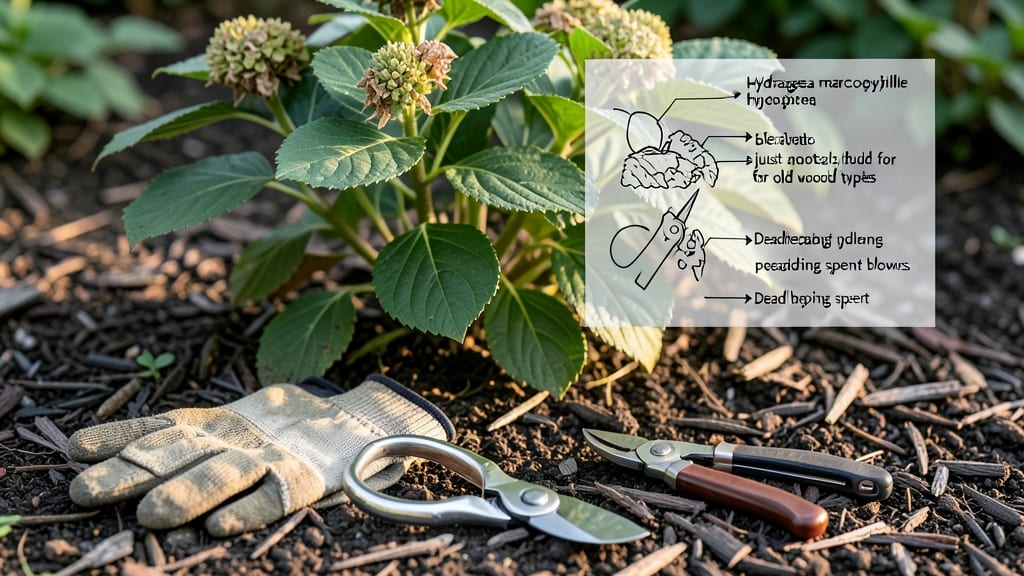
Cutting hydrangea flowers off at the right time ensures next year’s blooms will be bigger and more abundant—so timing is everything.
Struggling to decide when to prune your hydrangeas? Cutting at the wrong time can mean fewer blooms next season—or even losing your plant entirely. The key is late winter, when the plant is still dormant but before new growth starts.
For USDA Zone 6a, that’s typically February to early March, but it varies by variety.
Mophead hydrangeas (the classic big-blossom type) need their old flower stems cut back to just above a set of buds, while panicle types (like ‘Limelight’) can be pruned harder for a bushier shape.
Oakleaf hydrangeas, on the other hand, bloom on old wood, so you’ll want to skip heavy pruning and just tidy up dead stems.
In this guide, I’ll walk you through the exact steps for each type, when to avoid pruning (like right after a frost), and how to spot if you’ve pruned too early or too late.
By the end, you’ll know exactly when to cut hydrangea flowers off for a showstopping display next summer.
Best late winter timing for pruning hydrangeas by type
Pruning hydrangeas at the wrong time can mean the difference between a lush display of blooms next summer and a bare, leggy shrub. The key is understanding when each type produces flower buds—some on old wood, others on new growth.
Late winter is your best window, but timing varies by variety and USDA climate zone. Let’s break it down so you can prune with confidence.
For mophead hydrangeas (Hydrangea macrophylla), which bloom on old wood, the rule is simple: wait until after flowering to prune. But in late winter, you’re actually shaping the plant for next year’s blooms.
The critical window spans late February to early March in USDA zones 6-9. In colder zones (3-5), delay until March or April when frost risk passes.
Lacecap hydrangeas (also H. macrophylla) follow the same old-wood rule, but their delicate blooms need gentler pruning. Cut back spent flower stems to just above the first set of lateral buds—never more than 1/3 of the plant’s height.
This preserves next year’s bud formation without sacrificing structure.
Oakleaf hydrangeas (Hydrangea quercifolia) are more forgiving. They bloom on both old and new wood, so you can prune in late winter to remove dead or crossing branches.
Aim for late February to March in zones 6-9, or March-April in colder zones. Their distinctive foliage benefits from this cleanup, too.
Panicle hydrangeas (Hydrangea paniculata) are the exception—they bloom on new wood, so you can prune aggressively in late winter. Cut back 1/3 to 1/2 of the plant’s height to encourage vigorous new growth and larger blooms.
In zones 3-5, wait until April to avoid frost damage to fresh cuts.
| Hydrangea Type | Blooms On | Late Winter Pruning Time | What to Cut | Notes |
|---|---|---|---|---|
| Mophead (H. macrophylla) | Old wood | Late Feb–early March (zones 6-9); March–April (zones 3-5) | Dead stems, crossing branches | Preserve buds at stem base |
| Lacecap (H. macrophylla) | Old wood | Late Feb–early March (zones 6-9); March–April (zones 3-5) | Spent blooms, weak stems | Cut above lowest buds |
| Oakleaf (H. quercifolia) | Old + new wood | Late Feb–March (zones 6-9); March–April (zones 3-5) | Deadwood, thin branches | Shape for air flow |
| Panicle (H. paniculata) | New wood | Late Feb–March (zones 6-9); April (zones 3-5) | 1/3–1/2 of plant height | Encourages bold blooms |
If you’re in USDA zone 10, where winters are mild, prune mophead and lacecap hydrangeas in January to avoid summer heat stress. For panicle types, you can even prune in early spring—just be ready to protect cuts from late frosts.
The key is to prune before new growth starts, which typically happens in March or April depending on your zone.
Pro tip: Mark your calendar based on your last frost date. For zones 3-5, aim for 2-3 weeks after the last frost to prune mophead and lacecap varieties. This gives buds time to harden off before spring warmth triggers growth. In warmer zones, January pruning
Step-by-step guide to pruning for next year’s blooms
Pruning hydrangeas correctly is the secret to bigger, healthier blooms next season. The process might seem intimidating, but with the right tools and technique, you’ll encourage strong growth and prevent common mistakes like over-pruning or cutting at the wrong time.
I’ve pruned my hydrangeas for years, and I’ve learned that timing and technique are everything for a stunning summer display.
Before you start, gather your pruning shears, gloves, and a disinfectant (like rubbing alcohol) to clean your tools. Hydrangeas bloom on old wood (last year’s growth) or new wood (current year’s growth), depending on the variety, so knowing which type you have will determine how aggressively you prune.
For example, mophead hydrangeas bloom on old wood, while panicle hydrangeas bloom on new wood.
Here’s your step-by-step guide to pruning hydrangeas for maximum blooms next year:
After pruning, water deeply to help the plant recover, and apply a layer of mulch around the base to retain moisture and regulate soil temperature. Avoid fertilizing right after pruning, as new growth is vulnerable to frost. Instead, wait until early spring when you see fresh green shoots emerging.
One of the biggest mistakes I see is pruning too late in spring, which can remove next year’s flower buds. Always double-check your hydrangea type before cutting—oakleaf hydrangeas, for example, bloom on old wood but are more forgiving than mopheads.
If you’re unsure, observe your plant: if it blooms on last year’s stems, prune lightly; if it blooms on new growth, go bolder.
With the right timing and technique, your hydrangeas will reward you with vibrant, abundant blooms all summer long. And remember: a little patience in late winter pays off in big, beautiful flowers by summer! 🌸