
Propagation
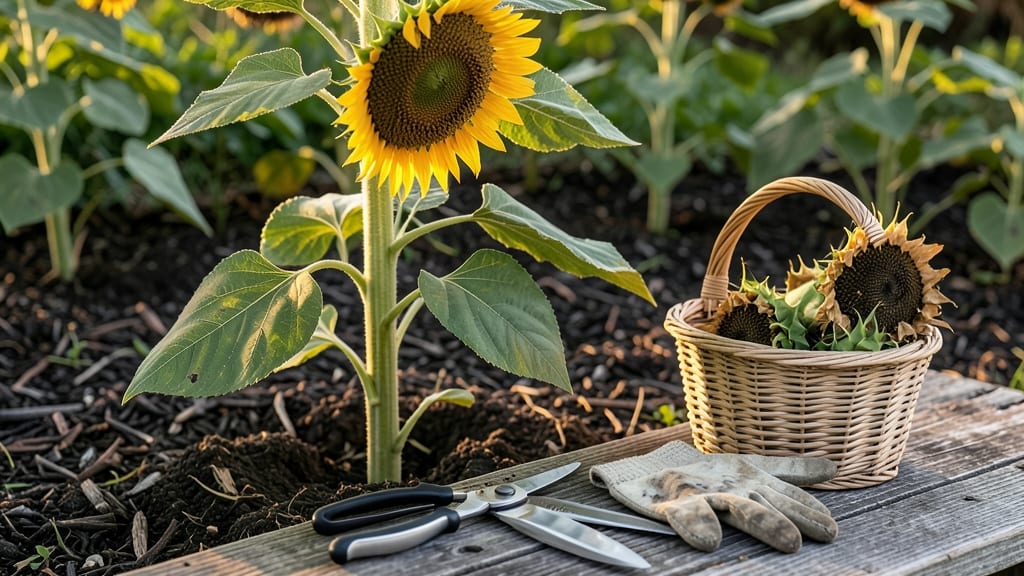
Cut sunflower heads when the back turns brown and the seeds feel firm to your touch — that’s the sweet spot for saving seeds or encouraging regrowth.
Picture this: you’ve spent all summer watching your 🌻 sunflowers tower over the garden, only to wonder if cutting them back will ruin next year’s crop.
The truth? Timing matters more than you think. Miss the window, and you’re left with either shriveled seeds or a plant that won’t bounce back.
Below, I’ll walk you through the three key stages to cut sunflower heads—whether you’re saving seeds, drying arrangements, or hoping for a second flush of blooms. No guesswork, just clear cues like color changes and seed firmness.
Ready to harvest without the stress? You’ll also discover how to tell if your plant is truly ready, plus pro tips for storing seeds and reviving sunflowers for a second act.
3 Critical stages to cut sunflower heads for seed saving
Sunflowers reach their seed-saving potential when you time your cuts perfectly—but knowing exactly when to harvest can be tricky. The wrong moment means wasted seeds or stunted regrowth.
I’ve learned through years of trial (and a few failed harvests) that three distinct stages mark the difference between a bountiful seed stash and a frustrating flop. Each stage has visual and tactile clues to guide you, and climate plays a surprising role in adjusting your timing.
First, let’s clarify: whether you’re growing annual varieties (like 'Mammoth' or 'Autumn Beauty') or perennial types (like 'Russian Mammoth'), the core principles remain the same. The key difference? Perennials may need an extra week or two to fully mature their seeds.
For most gardeners, though, the three critical stages below will ensure you never miss the harvest window again.
When petals fully open and begin wilting (usually 70-80 days after planting). The back of the head turns yellow-brown—this signals seed development has started.
When the seed head feels firm (like a dry tennis ball) and squeaks when rubbed between fingers. The outer papery husk should crack open easily—this means seeds are fully hardened.
Cut 1-2 weeks before frost if seeds aren’t fully dry. Hang heads upside-down in a dry, dark place (like a mesh bag) to finish drying. Never cut after frost—seeds won’t mature properly.
At Stage 1: Full Bloom, your sunflower’s petals will look vibrant but slightly droopy, almost like they’re bowing in exhaustion. This is your first cue that the plant is redirecting energy from blooms to seed production.
The back of the head (where the seeds form) will shift from green to a straw-like yellow-brown. If you cut here, you’ll get immature seeds that won’t store well or germinate reliably. Patience is key—wait until you see 50-60% of the petals wilt.
Moving to Stage 2: Seed Maturity, the real magic happens. This is when the seed head transforms from a soft, spongy mass into a dry, papery shell. To test readiness, gently squeeze the head—it should feel firm and hollow, almost like a dry acorn.
If you press a seed between your fingers, it should crush easily (not squish like wet clay). Pro tip: Tap two mature heads together—they’ll make a dry, papery sound. If they don’t, wait 3-5 more days.
Climate adjustments matter here. In hot, dry regions, sunflowers mature faster—sometimes in as little as 60 days. In cooler or humid climates, they may take 90+ days.
If you’re in a short growing season (like Zone 4), prioritize early-maturing varieties (e.g., 'Teddy Bear' or 'Sunspot') to avoid frost-related losses. Always check your local frost dates and plan to harvest before the first 28°F night.
Finally, Stage 3: Pre-Frost Dry-Down is where many gardeners trip up. Even if seeds look mature, cutting too early can leave them underdeveloped. If frost is looming, harvest at Stage 2 and hang heads upside-down in a well-ventilated area (like a garage or shed) for 2-3 weeks.
This mimics the natural drying process. Avoid plastic bags—they trap moisture and mold. Once seeds rattle loudly when shaken, they’re ready for storage.
For regrowth purposes, cutting at Stage 1 or early Stage 2 gives your sunflower a second chance to produce smaller, secondary blooms. Just be prepared for shorter stems and fewer seeds in the second flush.
If you’re growing sunflowers for cut flowers, harvest at Stage 1—this preserves the vibrant petals for arrangements. But if seeds are your goal, never cut before Stage 2.
One common mistake I see? Gardeners waiting until the entire plant wilts or the stem turns brown. By then, seeds may have already scattered or sprouted inside the head. Always prioritize the seed head’s texture and color over the plant’s overall health.
And remember: annual sunflowers (like 'ProCut') are bred for longer vase life, while perennials (like 'Russian Giant') focus on seed production—so choose your variety wisely based on your goals.
With these three stages mastered, you’ll never again wonder when to cut sunflower heads. Whether you’re saving seeds for next year’s garden, crafting dried arrangements, or encouraging regrowth, timing is everything.
Grab your pruners, mark your calendar for the first frost date, and get ready for a harvest that’ll make your gardening neighbors jealous! 🌻
How to encourage regrowth after cutting sunflower heads
Cutting sunflower heads for seeds doesn’t mean your plants have to die—many varieties can regrow with the right care. After harvesting, focus on pruning techniques, nutrient replenishment, and stress management to coax new growth.
I’ve found that dwarf varieties like 'Teddy Bear' often regrow best, while standard types may focus energy on root development instead.
First, use clean, sharp pruning shears to cut the stem 2-3 inches below the harvested head. This prevents disease entry and encourages lateral shoots to form.
Avoid tearing the stem, as this stresses the plant and slows recovery. For multi-stemmed varieties, leave at least one healthy side shoot to continue growing.
After pruning, apply a balanced fertilizer (10-10-10 ratio) to replenish nutrients lost during seed production. I recommend mixing 1 tablespoon per plant into the soil and watering deeply. For organic options, compost or worm castings work well, providing slow-release nutrients without burning new growth.
Adjust your watering schedule immediately after cutting—reduce frequency but increase depth. Sunflowers need 1-2 inches of water per week during regrowth, delivered in the morning to prevent fungal issues. Monitor the soil: it should stay moist but not soggy, as overwatering can rot the remaining stems.
Watch for signs of recovery like new leaves emerging from the base or side shoots. If you see yellowing leaves or wilted stems, it may indicate underwatering or nutrient deficiency. In this case, add a phosphorus-rich fertilizer (like bone meal) to boost root development and recovery.
With proper care, some sunflowers will produce secondary blooms by late summer or even next spring if they’re perennial varieties. While regrowth isn’t guaranteed, these steps maximize your chances—especially for dwarf or bush types that handle pruning better than towering giants.