
Planting
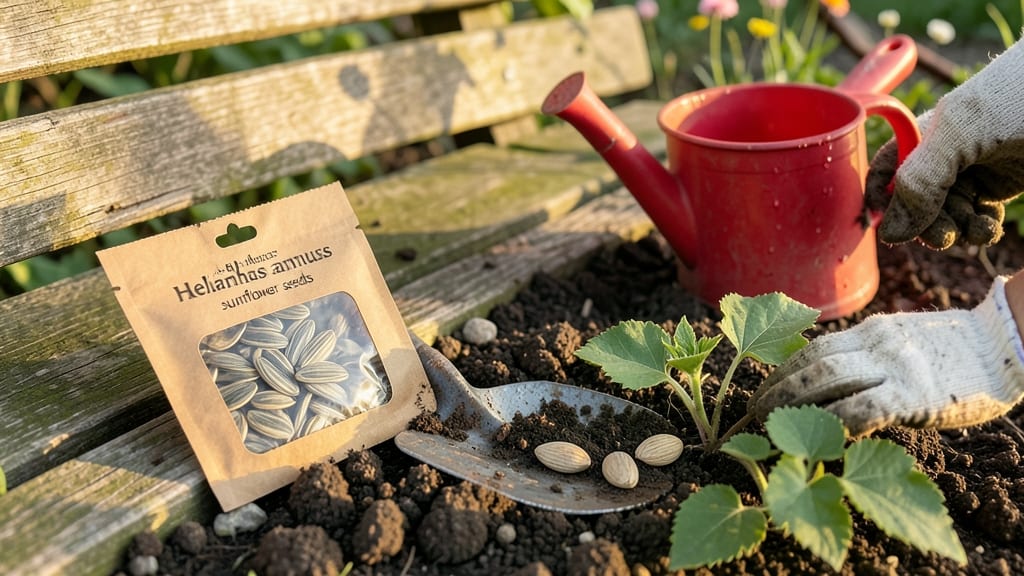
Direct sowing sunflowers at the right time ensures fast germination and towering 🌻 blooms—but wait too long, and you’ll miss the ideal window for strong, healthy plants.
Picture this: you’ve prepped the soil, marked your rows, and your seeds are ready to go. But if you plant them too early, cold soil will stall growth, and too late means bolting before they reach their full potential.
The key? Timing it when the soil hits 50°F or warmer—a threshold that varies wildly by region.
In USDA Zone 6a, that’s typically after your last frost date, usually mid-April, but coastal areas or high-altitude gardens may need to wait until May.
I’ll break down the exact soil temperature triggers, regional planting calendars, and how to adjust for your local climate—so you can avoid the common mistakes that leave sunflowers struggling to stand tall.
You’ll also discover how to use simple tools like a soil thermometer (or even a DIY water cup test) to nail the perfect moment, plus advanced tips for faster germination—because nobody wants to wait months for those golden blooms.
Ideal soil temperature ranges for direct sowing sunflower seeds
Sunflowers thrive when planted at the right soil temperature, and understanding these thresholds can mean the difference between fast germination and weeks of waiting.
For direct sowing, your soil should ideally be between 60°F and 70°F—this is the sweet spot for sunflower seeds to sprout within 7–14 days. However, they can tolerate cooler conditions down to 45°F, though germination will be slower and less reliable.
If you’re in a region with late springs or unpredictable weather, don’t wait until the last frost date to plant. Sunflowers are hardy enough to handle light frosts after sprouting, but cold, wet soil can cause seeds to rot.
The key is balancing soil warmth with frost risk—aim to plant when nighttime temperatures consistently stay above 50°F.
Testing your soil temperature is simple and can save you from planting too early. A soil thermometer (available for under $10) is the most accurate tool. Insert it 2–3 inches deep—the depth where you’ll plant your seeds—and check the reading in the morning when the soil is coolest.
If it’s below 50°F, wait a few more days. For a DIY method, fill a small cup with water and place it in your garden bed overnight; if the water is below 55°F the next morning, your soil is likely too cold for planting.
Regional differences play a huge role in timing. In Southern climates (USDA Zones 8–11), you can direct sow sunflowers as early as February or March, often before the last frost.
Meanwhile, gardeners in Northern climates (Zones 3–6) should wait until mid-to-late May, after the soil has warmed and frost risk has passed. Always check your local frost dates—a quick online search for “average last frost date [your city]” will give you a solid starting point.
Here’s how to use frost dates to refine your planting window: Subtract 75–90 days (the time it takes for sunflowers to mature) from your first frost date. For example, if your first frost is October 15, you should aim to plant by July 15.
However, if you’re growing dwarf varieties (like ‘Teddy Bear’), which mature in 60–70 days, you can extend your window into early August.
If you’re in a high-altitude area (e.g., Colorado, Utah), soil temperatures can lag behind those at sea level. Add 1–2 weeks to your planting timeline, as cooler nights and thinner air slow soil warming.
Conversely, coastal regions (like California or Oregon) may have warmer soils earlier in the season due to maritime influences—monitor your soil closely to avoid planting too soon.
Pro tip: Use black plastic mulch or row covers to warm the soil faster if you’re eager to plant earlier. Lay the mulch down a week before sowing to raise the soil temperature by 5–10°F.
This is especially useful in Northern climates where spring arrives slowly. Just remember to remove the mulch once seeds sprout to prevent overheating.
For gardeners in USDA Zone 7 or warmer, you can also try a successive planting strategy. Sow a small batch every 2 weeks from April through June to stagger blooms and extend your harvest season.
Just ensure each batch is planted when the soil reaches at least 55°F to avoid germination issues.
Finally, keep an eye on weather forecasts in the days leading up to planting. If a cold snap is predicted, delay sowing until temperatures stabilize. Sunflowers are forgiving, but consistent warmth is the secret to their
Moon phases and microclimates: advanced timing strategies for sunflowers
Timing your sunflower planting isn't just about checking the calendar—it's also about understanding lunar cycles and your garden's microclimate. While traditional wisdom suggests planting under a waxing moon for better root development, modern gardeners also factor in local heat pockets, urban heat islands, and even coastal breezes.
These elements can shift your ideal planting window by 1-2 weeks compared to standard frost-date guidelines.
For example, a south-facing plot in an urban area might warm up faster than a north-facing rural field, allowing you to plant sunflowers 7-10 days earlier.
Meanwhile, high-altitude gardens or coastal regions may need to delay planting until soil temperatures consistently hit 60°F or warmer, even if the moon phase aligns perfectly. Let’s break down how to combine these strategies for faster germination and stronger stems.
Direct Sowing Sunflowers: Traditional vs. Data-Driven Timing
Traditional Wisdom
- Plant under waxing moon for root growth
- Follow last frost date as primary guide
- Rural gardens often prioritized
- Less precise for urban microclimates
Data-Driven Approach
- Soil temp ≥60°F for germination
- Adjust for microclimates (urban/rural)
- Use moon phases as secondary factor
- High-altitude/coastal adjustments critical
If you're in a high-altitude garden (e.g., USDA Zone 4-5), cold nights can delay germination even if days are warm. I recommend using black plastic mulch for 2 weeks before planting to raise soil temperatures by 5-10°F.
For coastal regions, watch for fog delays—planting under a waxing moon may not help if morning fog keeps soil cool for days at a time.
Urban gardeners face unique challenges too. Paved surfaces and concrete buildings create heat islands that can warm soil faster than rural areas. Test your microclimate by placing a soil thermometer in your garden for 3 days before planting.
If your urban plot hits 60°F 2 weeks earlier than nearby farms, adjust your timing accordingly—even if the moon phase suggests waiting.
For north-facing plots, delay planting until you’ve confirmed soil temperatures stay above 55°F for at least 5 consecutive days. These areas often need 1-2 extra weeks compared to south-facing beds.
Meanwhile, south-facing urban gardens might see faster germination if you plant during a waxing gibbous moon (when roots grow strongest) and use row covers to trap heat.
Don’t forget that moon phases affect more than just roots. Planting sunflowers during a full moon can encourage rapid shoot growth, but this works best in warm, stable climates. In cooler regions, prioritize soil temperature over lunar timing—60°F soil beats a full moon any day for germination speed.
Balance both factors, and you’ll unlock the fastest, strongest sunflowers in your neighborhood.