
Flowers
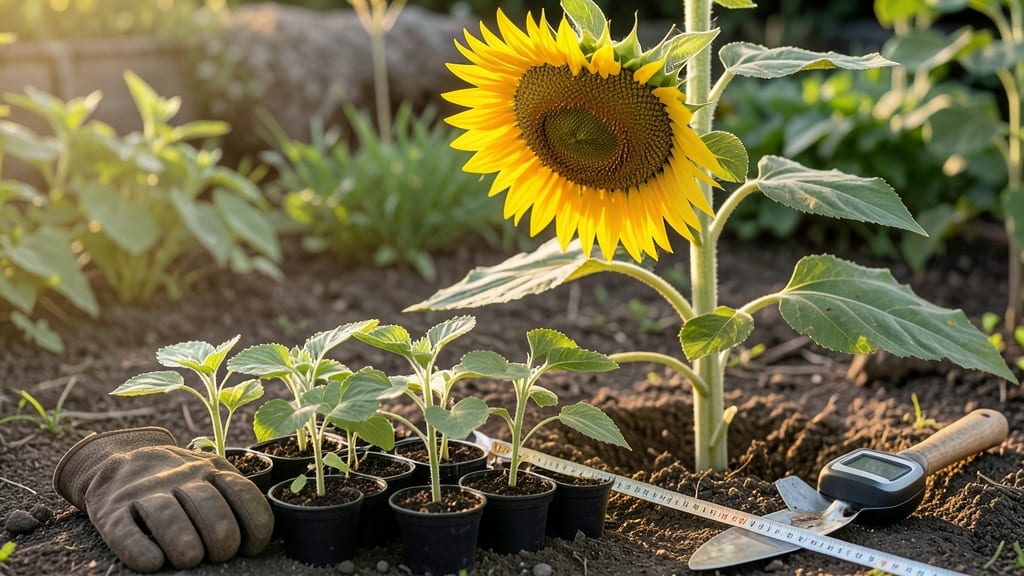
Planting sunflowers in Missouri after the last frost—typically late April to early June—sets the stage for those iconic 10-foot-tall blooms that brighten summer gardens.
Missouri’s golden sunflowers can reach heights of 10 feet or more—but planting them at the wrong time means wilted dreams instead of towering blooms. Timing is everything in USDA Zones 5-6, where frost lingers longer than in warmer climates.
Whether you’re in St. Louis, Kansas City, or rural areas, knowing your region’s frost dates and soil temperature thresholds (aim for 55°F+) is the key to success. Direct sowing or transplanting? Both work, but the window is narrow—get it wrong, and you risk stunted growth or early frost damage.
Below, I break down the exact planting timeline for Missouri, including adjustments for late springs, early frosts, and the best spacing for those sunflower giants you’ve been dreaming of.
Missouri sunflower planting timeline by USDA Zone 5-6 (with frost date adjustments)
Missouri’s sunflowers thrive when planted after the last frost, but timing varies dramatically across USDA Zones 5-6. In northern Missouri (Zone 5b), frost can linger until mid-April, while southern areas (Zone 6b) often see frost-free soil by early April.
The key is waiting for soil temperatures to reach 55°F or higher—a threshold critical for germination.
St. Louis gardeners typically plant between late April and early May, while Kansas City’s cooler microclimate may delay planting until mid-May. Rural areas with higher elevations often experience earlier frosts, requiring adjustments up to two weeks later than urban centers.
Always check your local frost date averages—they’re your planting calendar.
| Region | Last Frost Date | Ideal Planting Window | Soil Temp Threshold | Germination Time |
|---|---|---|---|---|
| Northern MO (Zone 5b) | April 15-May 1 | Late April - Early June | 55°F+ | 7-14 days |
| St. Louis (Zone 6a) | April 1-May 10 | Early April - Late May | 55°F+ | 7-10 days |
| Kansas City (Zone 5b-6a) | April 10-May 1 | Mid-April - Early June | 55°F+ | 8-12 days |
| Southern MO (Zone 6b) | March 20-April 10 | Early April - Mid-June | 55°F+ | 6-10 days |
| Rural Areas (Higher Elevation) | April 20-May 15 | Late April - Early July | 55°F+ | 10-14 days |
For direct sowing (the preferred method for sunflowers), plant seeds 1 inch deep and 6 inches apart once soil is workable. If you’re transplanting seedlings, wait until they’re 3-4 inches tall and harden them off for 5-7 days before setting them out.
This extra step helps tender seedlings survive Missouri’s unpredictable spring weather.
Missouri’s late springs can push planting into early June, but avoid this if possible—sunflowers need 90-120 days to mature. Planting in June may result in smaller blooms or seeds that don’t fully develop before first frost (typically mid-October).
Use fast-maturing varieties like ‘Autumn Beauty’ if you must plant late.
Pro tip: Use a soil thermometer to confirm 55°F soil temperatures before planting. Cold soil delays germination and can lead to damping off, a fungal disease that kills young seedlings.
If your soil is still chilly, consider black plastic mulch to warm it faster—this is especially helpful in northern Missouri where springs are cooler.
Adjust your planting timeline if you’re growing tall varieties like ‘Mammoth’ (12+ feet) versus dwarf types like ‘Teddy Bear’ (3 feet). Tall sunflowers need more time to establish strong roots, so plant them 2-3 weeks earlier than shorter varieties.
Always account for your local microclimate—urban areas like St. Louis stay warmer than rural fields.
If you’re in doubt, err on the side of planting later. Sunflowers are hardy annuals that tolerate heat well, but they won’t survive frost. A two-week delay in planting is better than risking frost-damaged seedlings. For extra protection, use row
5 Critical factors that determine your Missouri sunflower planting success (beyond just dates)
Planting sunflowers in Missouri isn’t just about picking a date—it’s about understanding how soil conditions, moisture balance, and sunlight intensity interact with your chosen variety.
For example, Mammoth sunflowers need rich, well-draining soil to reach their towering 12-foot heights, while Teddy Bear varieties thrive in slightly poorer soil but require consistent moisture. Even a 1-2 week delay in planting can mean the difference between a vibrant summer display and stunted growth.
Missouri’s USDA Zones 5b-6b bring unique challenges, like unpredictable late frosts or sudden summer droughts. I’ve learned that soil temperature must stay above 55°F for germination, but moisture retention becomes critical once seedlings emerge—especially in clay-heavy soils common in northern Missouri.
The wrong balance can lead to rotten roots or wilting stems, even with perfect timing.
Here’s what I’ve discovered about the 5 critical factors that separate successful sunflower gardens from disappointing ones in Missouri:
- 1 Soil Type & Drainage: Missouri’s clay-heavy soils (common in northern regions) need compost amendments to prevent waterlogging, while sandy soils in southern areas dry out faster. Test your soil—aim for pH 6.0-7.0 and well-draining conditions.
- 2 Moisture Balance: Sunflowers need 1-2 inches of water weekly but hate soggy roots. In St. Louis, mulch heavily to retain moisture; in Kansas City, water deeply 2-3 times per week during dry spells. Overwatering in cool weather causes damping off.
- 3 Sunlight Exposure: Missouri’s full-sun requirement (6+ hours daily) is non-negotiable. Shade from trees or buildings can reduce heights by 30-50%. If planting near structures, choose south-facing spots for maximum light.
- 4 Variety Selection: Mammoth varieties need 120+ frost-free days to mature, while Teddy Bear types tolerate shorter seasons. For northern Missouri, opt for early-maturing hybrids like ‘Autumn Beauty’ to avoid frost damage.
- 5 Frost & Microclimate: Missouri’s late springs (e.g., 2019’s April frost) can delay planting. Use row covers for early starts or wait until May 1 in high-risk zones. Southern Missouri’s warmer microclimates allow earlier planting by 2-3 weeks.
One mistake I’ve seen gardeners make is ignoring soil temperature—planting too early when the ground is still cold (below 55°F) leads to slow germination or seed rot. Use a soil thermometer to confirm readiness, especially in northern Missouri where springs can be unpredictable.
For example, in Columbia, wait until mid-May unless you’re using black plastic mulch to warm the soil faster.
Another critical factor is spacing. Crowded sunflowers compete for nutrients, leading to shorter stems and smaller blooms. Thin seedlings to 12-24 inches apart (depending on variety) once they’re 4-6 inches tall.
In my garden, I’ve found that Teddy Bear sunflowers do well at 12 inches apart, while Mammoth types need 24 inches to reach their full potential.
If you’re troubleshooting wilting or yellowing leaves after planting, check for overwatering or nutrient deficiencies. Missouri’s calcareous soils often lack zinc or boron, which sunflowers need for strong stems.
A balanced fertilizer (5-10-10) applied at 6 inches tall and again when buds form can make a dramatic difference. Just remember: less is more—over-fertilizing can burn roots and attract pests.
Finally, don’t overlook companion planting. Sunflowers pair well with bush beans (which fix nitrogen) and marigolds (which deter pests). In my experience, planting basil or dill nearby can improve flavor if you’re growing sunflowers for edible seeds.
But avoid planting near potatoes or corn, as they compete for the same nutrients.