
Fertilization
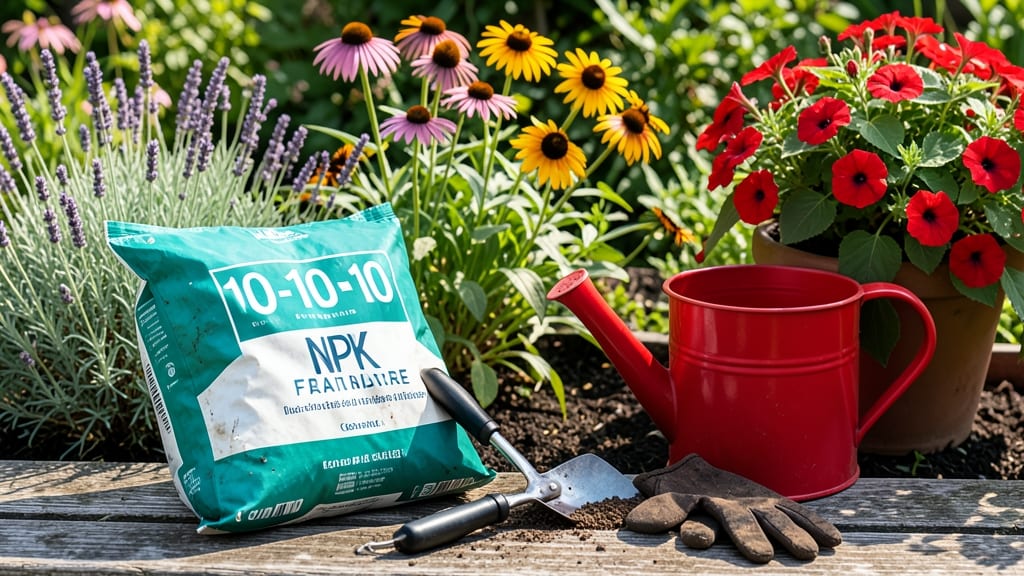
To fertilize flowers at the right time means feeding them when they need it most—not when you remember to think about it.
Timing matters because too early or too late can leave your 🌸 struggling or even stunt their growth. Most gardeners overlook the critical pre-bloom window, which is when flowers actually need that nutrient boost to form strong stems and vibrant buds.
Whether you're growing annuals that burst into color all season or perennials that come back year after year, the seasonal schedule changes everything. Skip fertilizing in winter, but don’t wait until the blooms appear—you’ll miss the best opportunity to fuel that show-stopping display.
In this guide, I’ll break down the exact month-by-month timing for your climate, plus how to adjust for roses, bulbs, and everything in between. No more guesswork—just healthier plants and more flowers.
Best seasonal fertilization schedule for flowers by climate zone
Your climate zone dictates when to fertilize flowers—and getting it wrong can mean the difference between a show-stopping garden and one that barely blooms.
In temperate zones, like USDA Zones 5-8, early spring is your pre-bloom power window, while tropical climates (Zones 9-11) allow year-round feeding with adjustments for wet/dry seasons. Even in cold climates (Zones 1-4), late summer fertilization helps perennials store nutrients for next year.
I’ve grown flowers in all three zones and learned that timing isn’t one-size-fits-all. For example, roses in Zone 6 need a spring boost by May 1st, but tropical hibiscus in Florida thrive with monthly feedings—even in December. The key is matching your flower type to your local growing season.
Here’s your climate-specific fertilization calendar, including when to feed annuals vs. perennials, how to adjust for bulbs vs. shrubs, and what to skip entirely during dormancy. No more guesswork—just blooms that last.
Use this month-by-month guide to fertilize at the right time, whether you’re in a short growing season or a year-round garden. The table below breaks it down by climate type, flower category, and nutrient focus.