
Flowers
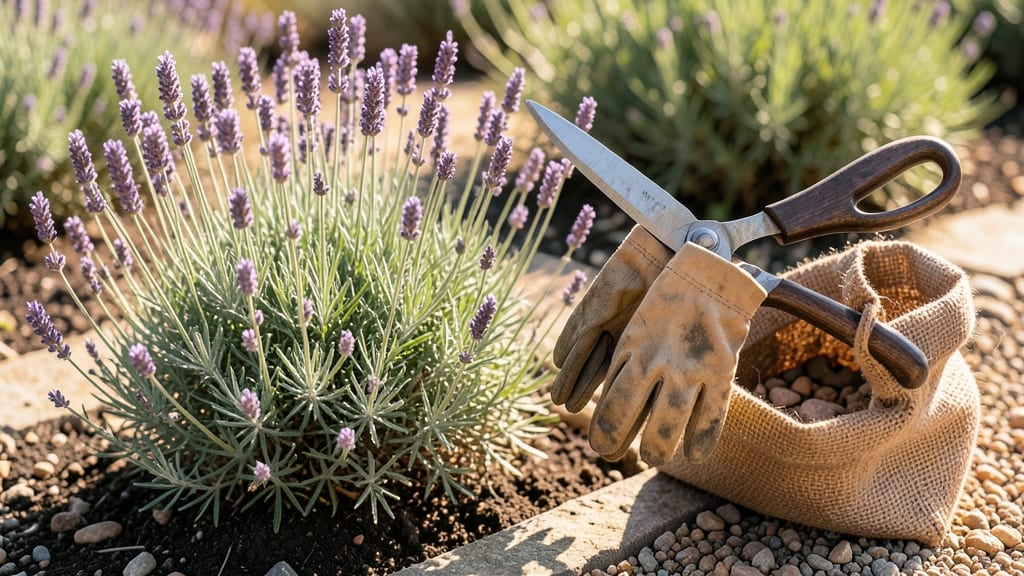
Harvesting lavender flowers at their peak means capturing the strongest fragrance and highest essential oil content before the buds fully open.
Picture this: you’ve nurtured your 🌸 lavender all season, and now the moment has arrived—cut too early, and the scent fades; wait too long, and the oil yield drops.
The difference between a golden harvest and wasted effort comes down to timing, technique, and knowing when those purple buds are ready.
In USDA Zone 6a, the best window is late June through early August, when the blooms are just beginning to unfurl but haven’t yet released their petals.
This guide walks you through the exact signs to look for—from woody stems to that unmistakable sweet aroma—and how to cut lavender without harming next year’s growth.
You’ll also discover the tools you need, how to dry your harvest for maximum potency, and the one mistake that turns a bountiful crop into a sad, wilted pile. Let’s make sure your lavender pays off—both in beauty and in fragrance.


When to harvest lavender for maximum essential oil & fragrance
Timing your lavender harvest correctly can mean the difference between high-value essential oils and weak, low-yield flowers. The best harvest window occurs when flower buds are just beginning to open, typically 1-2 weeks before full bloom.
This stage ensures maximum essential oil content and peak fragrance intensity, which is when lavender’s linalool and linalyl acetate compounds reach their highest concentration.
Lavender plants typically enter their peak harvest window between late spring and early summer, depending on your climate zone. In USDA Zones 6-9, this usually falls between June and August, while cooler coastal regions may see harvests as early as May.
The key is to watch for buds that have turned purple but haven’t fully opened—this is your 3-5 day harvest window before the flowers lose potency.
Climate plays a crucial role in determining the exact harvest timing. In hot, dry climates, lavender may bloom earlier and require more frequent harvesting, while cooler, humid regions can delay blooming by 2-3 weeks. Always prioritize morning harvests when dew has evaporated but temperatures are still mild—this preserves oil content and prevents wilting.
| Harvest Stage | Key Characteristics | Oil Content | Fragrance Intensity | Best For |
|---|---|---|---|---|
| Early Bud Stage | Green buds, tightly closed | Low (developing) | None | Not recommended |
| Optimal Harvest Window | Purple buds, 10-30% open | Highest (80-90%) | Peak (sweet, floral) | Essential oils, drying |
| Full Bloom | Fully open flowers | Moderate (60-70%) | Good (but fading) | Dried bundles |
| Overripe | Drooping, brown edges | Low (oxidized) | Weak (musty) | Avoid |
🌿 Harvest Tip: Use a hand lens (10x) to check for oil-rich glandular trichomes—visible as tiny bumps on buds.
Botanical studies show that lavender’s essential oil content peaks at 75-85% when buds are 20-30% open. At this stage, the flower’s oil glands are fully developed but haven’t yet released their volatile compounds into the air.
Harvesting too early means underdeveloped oils, while waiting too long results in oxidized, low-quality oils with a harsher scent profile.
Your local climate zone directly impacts harvest timing. In Zone 7 and warmer, lavender may produce two harvest cycles per year—once in late spring and again in early fall.
However, in cooler Zones 5-6, stick to a single summer harvest to avoid frost damage to regrowing buds. Always monitor nighttime temperatures, as below 50°F (10°C) can stunt oil production.
One common mistake is harvesting lavender in direct afternoon sun, which causes wilting and oil degradation. Instead, cut stems in the early morning when temperatures are below 75°F (24°C).
This preserves up to 30% more essential oil compared to afternoon harvests. For large-scale growers, invest in a portable shade canopy to protect freshly cut stems during transport.
To maximize future harvests, never remove more than ⅓ of the plant’s growth in a single cutting. This ensures the woody base remains healthy and continues producing new flowering stems.
After harvesting, prune back any dead or leggy growth to encourage bushier, more productive plants. Over-harvesting can stress the plant, reducing both yield and fragrance quality in subsequent seasons.
For <
Step-by-step lavender harvesting techniques for beginners
Harvesting lavender correctly is all about precision timing and proper cutting techniques. If you cut too early, the buds won’t have developed their signature fragrance or essential oils. Cut too late, and the petals will scatter, leaving you with weak stems and lost potency.
The key is harvesting when 20-30% of the buds have just opened—this is when lavender packs its richest aroma and highest oil content.
For beginners, the ⅓ rule is your best friend: never remove more than one-third of the plant’s growth in a single harvest. This ensures your lavender has enough energy to regrow and produce another flush of blooms later in the season.
Skipping this rule can stunt your plant or even kill it, especially in Zone 6a climates where lavender needs all the strength it can get for winter survival.
✂️ Step-by-Step Lavender Harvesting Guide
- Step 1: Choose the Right Tools
Gather sharp pruning shears (never dull scissors—they crush stems) and a bucket with water to keep cuttings fresh. For large-scale harvesting, a harvesting knife or long-handled shears makes the job easier. - Step 2: Identify Ready Buds
Look for partially open buds (20-30% unfurled) with purple tips. Crush a stem—if it releases a strong, sweet scent, it’s ready. Avoid buds that are fully open or still tightly closed. - Step 3: Apply the ⅓ Rule
Cut stems 4-6 inches below the flower cluster, leaving lower leaves intact to protect the plant. Never trim more than one-third of the plant’s growth at once to avoid stress. - Step 4: Harvest at the Right Time
Do it on a dry, sunny morning after dew has evaporated. This prevents mold and preserves fragrance. Avoid harvesting after rain or in humid conditions. - Step 5: Bundle & Dry Immediately
Tie cuttings into small bundles (10-15 stems each) with twine or rubber bands. Hang them upside down in a well-ventilated, dark space (like a garage or shed) for 2-3 weeks. - Step 6: Check for Dryness
Flowers are ready when the stems snap easily and buds crumble when touched. Store dried lavender in airtight containers away from light to keep its scent and color for up to a year.
One of the biggest mistakes beginners make is cutting lavender too close to the base. Always leave lower leaves on the stem to protect the plant from disease and pests. Another common error is harvesting in humid weather, which can cause mold.
If you must harvest after rain, wait until the plants are completely dry to avoid ruining your entire batch.
For large-scale growers, consider using a harvesting knife or even a string trimmer (with caution) to speed up the process. Just be sure to sterilize your tools with rubbing alcohol between cuts to prevent the spread of disease.
If you’re harvesting for essential oils, aim for the early morning when oil content is at its peak.
After your first harvest, your lavender should rebound with new growth in 4-6 weeks. With proper care, a healthy plant can produce 2-3 harvests per season.
Just remember: patience and precision are your allies here. Rush the process, and you’ll end up with weak, fragrantless stems instead of the golden harvest you’re after.