
How To
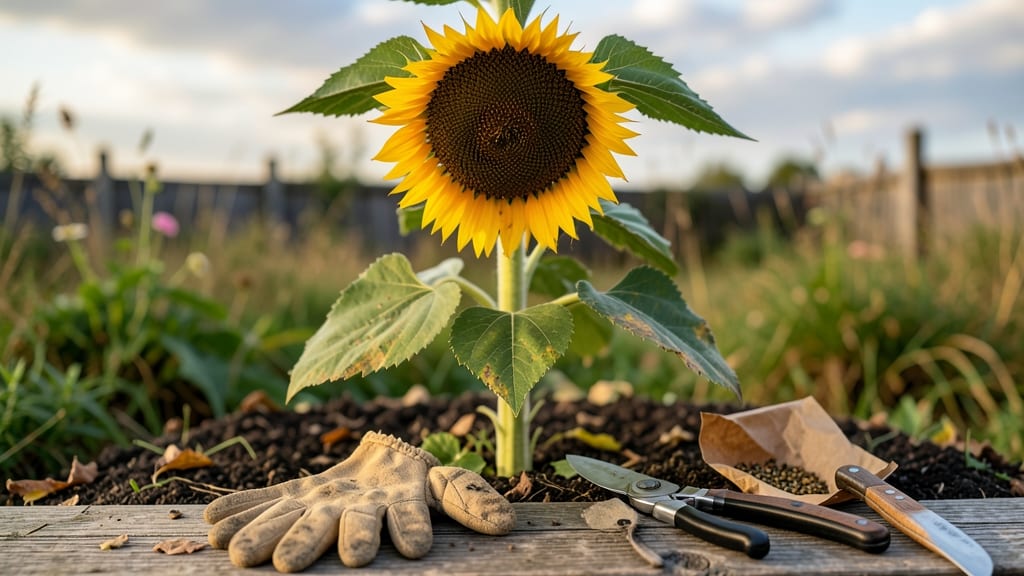
Harvesting sunflower seeds at the right time means the difference between plump, nutritious seeds and bitter, wasted blooms 🌻.
Picture this: you’ve waited months for your towering sunflowers to mature, only to find the seed heads cracking open too soon—or worse, still green and useless. The key is knowing when the back of the head turns golden-brown and the seeds rattle like a tiny drum.
Miss that window, and you’ll end up with empty shells or seeds that scatter before you can collect them.
Below, I’ll walk you through the foolproof color cues, the legendary snap test, and how to adjust for your USDA Zone 6a climate. No guesswork, just reliable methods to ensure a bountiful harvest every time.
Ready to save those seeds for next year’s garden? Let’s dive into the exact signs to watch for—because timing is everything when it comes to sunflower seeds.


How to tell when sunflower seeds are ready by color & texture
Sunflower seeds reach peak flavor and nutrition when harvested at the right moment—but spotting that perfect window relies on visual cues most gardeners overlook. The back of the seed head shifts from green to golden-brown, while the petals naturally drop as the plant redirects energy to seed maturation.
Ignore these signs, and you risk bitter, underdeveloped seeds or wasted effort from overripe heads that shatter in the wind.
Not all sunflowers mature at the same rate. Oil-type varieties (like Mammoth) often take 90-120 days to reach harvest, while confectionery types (such as Russian Giant) may be ready in 80-100 days.
Pay attention to your specific variety’s days-to-maturity label, but always verify with physical checks—no two seasons are identical.
Here’s the critical visual checklist to avoid common mistakes: first, the flower petals will wilt and fall away on their own (don’t yank them off!). Next, the seed head’s back transitions from green to a straw-like golden-brown.
Finally, the seeds inside should feel plump and dry when you gently squeeze one—no moisture, no give.
| Stage | Seed Head Color | Seed Texture | Petals | Action |
|---|---|---|---|---|
| Immature | Green | Soft, moist | Bright yellow | Wait 2-4 weeks |
| Developing | Green turning brown at base | Firm but not dry | Wilted, clinging | Monitor daily |
| Optimal Harvest | Golden-brown | Plump, dry, hard | Fallen off | Harvest immediately |
| Overripe | Dull brown | Shriveled, hollow | Gone | Seeds may scatter |
🌾 Pro Tip: Shake the seed head over a paper bag—if seeds rattle loudly, they’re ready!
For confectionery sunflowers, aim for seeds that are plump and creamy-white when split open—these are the sweetest varieties for snacking. Oil-type sunflowers, however, should have hard, black-and-white striped seeds with minimal bitterness.
Always harvest on a dry, sunny morning to prevent mold, and use clean pruners to cut the stem 2-3 inches below the head.
The texture test is your secret weapon: press a seed between your fingernails. If it doesn’t dent easily and feels completely dry, it’s harvest-ready. If it’s still slightly sticky or greenish, wait 3-5 more days.
Overripe seeds lose flavor and viability quickly, so don’t delay once the head turns fully brown.
Regional adjustments matter too. In hot, dry climates (like Arizona or California), sunflowers mature faster—watch for golden-brown backs by late August. In cooler zones (e.g., Pacific Northwest), extend your timeline to early October, but protect heads from early frost with row covers if needed.
One common mistake is harvesting based solely on flower petal drop. While this is a key sign, some varieties (like Autumn Beauty) may drop petals weeks before seeds are fully mature. Always double-check the seed head’s color and texture—this simple step saves hours of wasted effort.
If you’re growing multiple sunflower varieties, label each plant at planting. Tall varieties (like Russian Giant) often mature 2-3 weeks later than dwarf types (such as Teddy Bear). Use a small whiteboard or plant tags to track days to maturity and avoid mixing up harvest times.
Finally, don’t ignore the weather. Humid conditions can delay drying, while hot, windy days speed up maturation. If rain is forecast, harvest early—even if seeds aren’t fully brown—and dry them indoors under a fan.
With these color and texture cues mastered, you’ll never miss the perfect harvest window again. 🌻
The snap test method: how to check seed ripeness without cutting the head
The snap test is my favorite trick for determining sunflower seed ripeness without damaging the plant. This simple method lets you check the seed head's structural integrity by testing how easily it separates from the stem.
Unlike color cues, which can be misleading, the snap test gives you a clear physical signal that seeds are ready to harvest. Here's how to do it right every time.
First, understand what you're testing: a ripe sunflower seed head should separate cleanly from the stem when you apply gentle pressure. This happens because the seeds inside have fully matured and the plant is redirecting energy to seed production rather than maintaining the flower structure.
The test works best in dry, sunny conditions—humidity can make stems more flexible and give false results.
- 1 Grasp the seed head firmly about 2 inches below the base where it meets the stem. Use both hands for stability.
- 2 Apply downward pressure while twisting gently. A ripe seed head should snap off cleanly at the base with minimal resistance.
- 3 Listen for the sound. A crisp, dry snap indicates maturity. A dull thud or bending stem means the seeds need more time.
- 4 Check the stem. If the stem breaks above the base, the seeds aren't ready yet. The snap should occur exactly where the flower meets the main stem.
- 5 Test 3-5 seed heads per plant for consistency. Some varieties may mature unevenly, especially in hot climates or high-altitude gardens.
Common mistakes can throw off your results. For example, testing in high humidity (above 70%) makes stems more flexible, giving false positives. If your garden is humid, perform the test in the early morning when stems are driest.
Another pitfall is testing immature stems—if the plant is still growing vigorously, the seed head won't snap cleanly.
Environmental factors also play a role. In cooler climates, sunflowers may take longer to mature, so combine the snap test with color cues (like a fully brown seed head). Conversely, in hot, dry regions, seeds may ripen faster, so test earlier in the season.
Always adjust your expectations based on your local last frost date and average growing season length.
Pro tip: If you're harvesting for bird seed, you can leave the seed heads on the plant slightly longer—they'll dry out more thoroughly in the field. But for edible seeds, harvest as soon as you get that crisp snap to ensure maximum flavor and nutrition.
Once you master this test, you'll never guess again about seed ripeness!
🌻