
Flowers
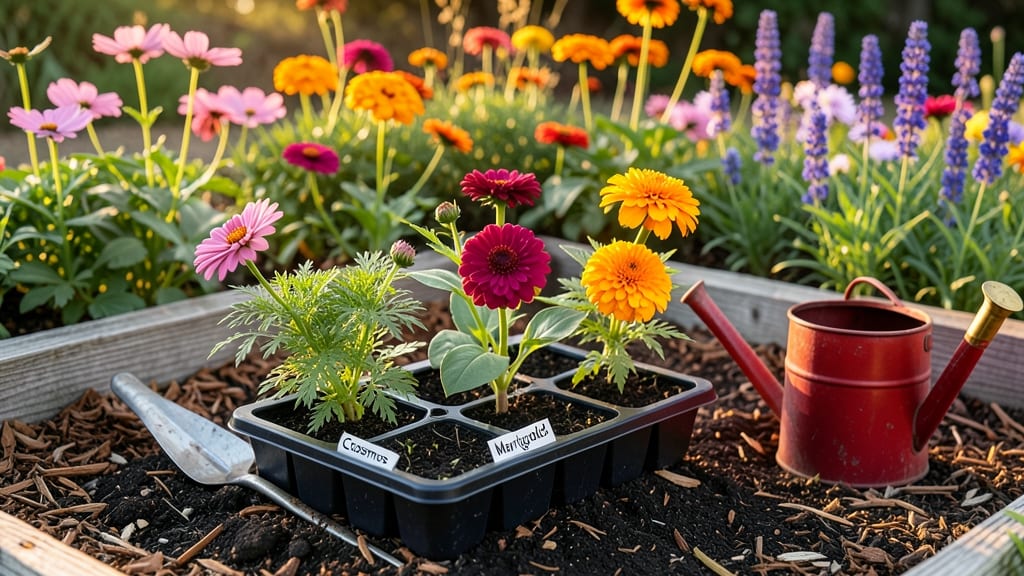
Planting fall flowers in Georgia between mid-August and October ensures vibrant blooms before the first frost—if you time it right, you’ll catch the sweet spot between summer’s heat and winter’s chill.
Picture this: your garden bursting with 🌼 chrysanthemums and pansies in September, their colors popping against the golden leaves. But miss the window, and you’re left with wilted stems or flowers that never fully open.
Georgia’s 7a-8b zones give you flexibility, but regional differences mean what works in Savannah won’t always suit Atlanta.
This guide breaks down the exact weeks to plant, which frost-resistant varieties thrive in your area, and how to prep your soil for a showstopping fall display—without the guesswork.
You’ll learn how to read your local frost dates, pick the hardiest flowers for your microclimate, and even extend your blooming season with a few simple tricks.
Georgia’s ideal fall planting timeline: week-by-week guide for frost-resistant flowers
Fall in Georgia offers the perfect balance of warm soil and cooler air—ideal for frost-resistant flowers that thrive in USDA zones 7a-8b. But with first frost dates ranging from early November in North Georgia to late November in South Georgia, timing is critical.
Plant too soon, and you risk leggy, weak stems; too late, and your blooms may arrive after the first freeze. My week-by-week guide aligns with Georgia’s 210 frost-free days, ensuring vibrant fall color from September through November.
Georgia’s climate varies dramatically between regions. North Georgia (7a) typically sees its first frost by November 15, while South Georgia (8b) often holds off until December 1. This means your planting window shifts by 2-3 weeks depending on location.
For example, chrysanthemums planted in mid-September in Athens (7b) may need a 2-week delay in Dalton (7a). Always check your local frost date map before planting.
| Week | North Georgia (7a) | South Georgia (8b) | Best Flowers | Key Task |
|---|---|---|---|---|
| Week 1-2 (Mid-August) | Prepare soil | Prepare soil | Calendula, Snapdragons | Amend beds with compost |
| Week 3-4 (Late August) | Plant pansies | Plant pansies | Pansies, Sweet Alyssum | Direct sow seeds |
| Week 5-6 (Early September) | Transplant chrysanthemums | Transplant chrysanthemums | Chrysanthemums, Asters | Fertilize with 5-10-10 |
| Week 7-8 (Mid-September) | Plant bulbs (tulips) | Plant bulbs (tulips) | Daffodils, Tulips | Mulch with straw |
| Week 9-10 (Late September) | Add frost protection | Add frost protection | Violas, Stock | Apply row covers |
| Week 11-12 (October) | Final planting | Final planting | Sweet Peas, Calendula | Deadhead spent blooms |
Start your fall garden in mid-August by preparing your beds. Loosen soil to 6 inches deep and mix in 2-3 inches of compost. This early prep ensures roots establish before cooler temps arrive. Calendula and snapdragons are my go-to early sowings—they tolerate light frosts and add instant color.
For containers, use well-draining mixes with added perlite to prevent waterlogging during Georgia’s sporadic fall rains.
By late August, focus on pansies and sweet alyssum, both of which handle Georgia’s 50-60°F nights beautifully. These flowers thrive in partial shade, making them perfect for North Georgia’s cooler microclimates. Plant seeds ¼ inch deep and space them 8
Top 10 frost-resistant fall flowers for Georgia gardens: cold hardiness ratings and care tips
Georgia’s fall gardens shine brightest when you choose flowers that can handle 15°F temperatures without flinching. These top 10 frost-resistant varieties deliver color from September through November while requiring minimal winter prep.
Whether you’re planting in containers or garden beds, these picks thrive in USDA zones 7a-8b—just like Georgia’s climate.
My go-to for hardiness is chrysanthemums, which bloom until hard frost and bounce back year after year. But don’t overlook pansies or asters—they’re equally tough and add vibrant pops of color.
Each plant on this list was selected for its cold tolerance, bloom duration, and low-maintenance care, so you get maximum impact with minimal effort.
For containers, I recommend pansies and violas—they handle pot life beautifully and even rebloom after frost in mild winters. In garden beds, asters and goldenrod spread effortlessly while attracting pollinators.
All these flowers share one key trait: they thrive in cooler temps and require less water as fall progresses.
Care is simple: mulch after planting to insulate roots, and water deeply but less frequently as temperatures drop. A balanced fertilizer (5-10-10) applied in early fall gives them the energy to bloom until frost.
My top 3 low-maintenance picks are chrysanthemums (for height), pansies (for color), and sedum (for drought tolerance).
Even if you’re new to fall gardening, these flowers forgive mistakes. They’ll bounce back from light frosts and keep blooming until snow flies in colder zones. Just remember: plant early (mid-August), choose cold-hardy varieties, and protect with mulch.
Your garden will thank you with months of color—no green thumb required.
Pro tip: Group 3-5 plants together for a bold display. Mix tall chrysanthemums with spreading pansies and mounding sedum for texture. This combo works in containers or beds, and the contrast of colors will steal the show all season long. 🌷