
Flowers
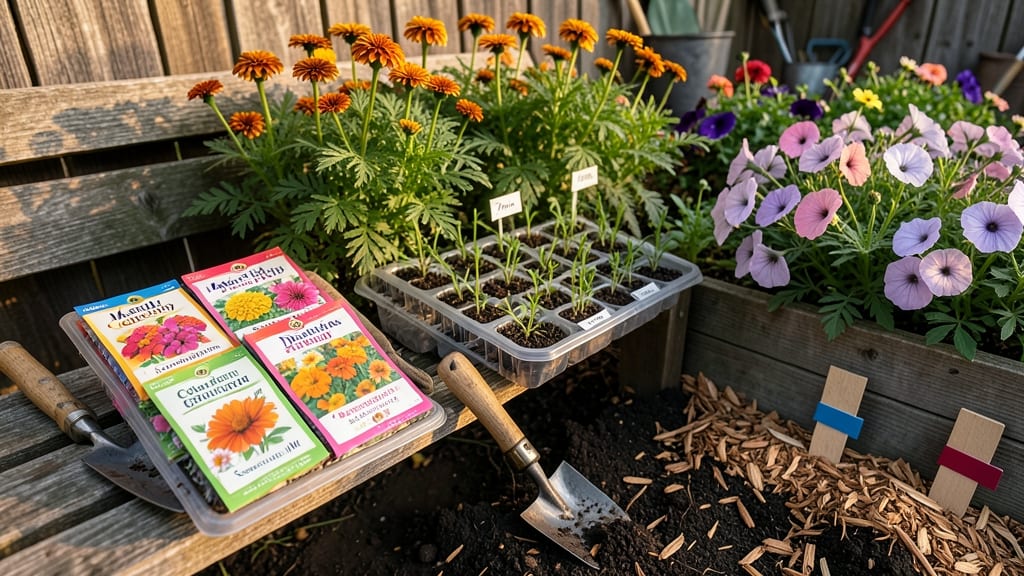
Planting flower seeds in Michigan requires knowing the exact frost dates for your zone—because even a week off can mean the difference between a vibrant garden and a sad, frost-nipped failure.
Michigan gardeners know timing is everything—plant flower seeds too early, and frost will kill them; too late, and you’ll miss the blooming season. But with the right frost-date cheat sheet, you can master seasonal planting like a pro.
Most of the state falls in USDA Zones 5b-6b, where the last frost typically arrives in mid-April, but northern Michigan can linger weeks longer. That means cool-season flowers like pansies and sweet alyssum get a head start indoors in March, while heat-lovers like zinnias wait until late May.
Below, I’ll break down the perfect planting window for your zone, plus pro tips to stretch the season—whether you’re dealing with early frosts, late springs, or just impatient to see those 🌸 blooms pop up.
Michigan flower seed planting dates by USDA hardiness zones (5-6)
Michigan’s USDA Zones 5b-6a span from northern Lower Peninsula to southern Michigan, where last frost dates vary by 2-3 weeks.
In Zone 5b (northern areas like Traverse City), expect your average last frost around May 10-15, while Zone 6a (southern areas like Detroit) typically sees frost-free soil by April 25-May 5.
This difference means tender annuals like zinnias or marigolds may need 4-6 weeks of indoor starts in the north versus 2-3 weeks in the south.
For cold-hardy flowers like pansies or sweet alyssum, you can direct-sow as early as late March in Zone 6a, but wait until early April in Zone 5b. Biennials and perennials (e.g., foxgloves or hollyhocks) often benefit from fall sowing for earlier spring blooms, but in Michigan’s shorter growing season, timing is critical to avoid winter kill.
| USDA Zone | Avg. Last Frost | Indoor Start (Tender) | Direct Sow (Cold-Hardy) | Fall Planting Window |
|---|---|---|---|---|
| Zone 5b (e.g., Traverse City) | May 10-15 | March 15-April 1 (4-6 wks before last frost) | April 1-15 (after soil reaches 40°F) | August 15-September 15 (6-8 wks before first frost) |
| Zone 6a (e.g., Detroit, Kalamazoo) | April 25-May 5 | February 20-March 15 (2-3 wks before last frost) | March 20-April 10 (after soil reaches 40°F) | September 1-October 1 (6-8 wks before first frost) |
*Adjust dates 1-2 weeks earlier for southern Michigan microclimates (e.g., near Lake Erie).
When planning indoor starts, use grow lights to avoid leggy seedlings—14-16 hours of light daily mimics Michigan’s long summer days. For tender annuals like petunias or geraniums, begin seeds 6-8 weeks before your last frost date.
In Zone 5b, that’s early March, while Zone 6a gardeners can start in late February. Hardening off seedlings for 7-10 days before transplanting is a must—Michigan’s windy conditions and temperature swings can shock delicate plants.
For perennials and biennials, fall planting often yields stronger roots and earlier blooms.
In Zone 5b, aim for late August to mid-September; in Zone 6a, you can extend to early October. Sweet William and foxglove thrive with this approach, while hollyhocks may need winter mulch to protect their crowns.
Always check seed packet instructions—some varieties (like lupines) prefer cool soil and can be sown directly in fall.
Michigan’s microclimates add another layer of complexity. Lake-effect zones (e.g., Muskegon or Saugatuck) experience later frosts due to cooler lake breezes, so adjust your planting window 1-2 weeks later in these areas.
Conversely, urban heat islands (like Detroit) may see earlier soil warming, allowing earlier direct sowing. Use a soil thermometer to confirm 40°F for cold-hardy seeds or 60°F for tender varieties before planting.
One common mistake is overestimating Michigan’s growing season. While Zone 6a enjoys 150-160 frost-free days, Zone 5b typically has 130-140 days. This means fast-maturing annuals (e.g., cosmos or sunflowers) are safer bets than long-season varieties like dahlias, which may need container growing or
Best flowers to plant early vs. late in Michigan’s season
Michigan’s unpredictable spring and summer make timing critical for flower success. Cold-hardy varieties like pansies and snapdragons thrive when planted early, while heat-loving annuals like zinnias and marigolds need warmer soil.
The key is matching each flower’s preferences to Michigan’s frost-free window, which typically runs from mid-April to mid-October in most zones.
For northern Michigan (Zone 5b), where frosts linger into May, start cool-season flowers indoors in March. In southern Michigan (Zone 6a), you can plant tender varieties like cosmos outdoors by late April. Below, I’ll share my month-by-month planting schedule to maximize blooms all season long.
🌱 Michigan Flower Planting Timeline
- March: Start pansies, sweet alyssum, and snapdragons indoors for early spring blooms. These thrive in 40-50°F soil.
- April: Plant cold-hardy annuals like calendula and stock outdoors after last frost. Perennials (e.g., coneflowers) can go in once soil warms to 50°F.
- May: Transition to heat-lovers like zinnias, marigolds, and sunflowers. Wait until soil hits 60°F to avoid rot.
- June: Direct-sow late-season bloomers (e.g., cosmos, cleome) for summer-to-fall color. Succession plant every 2-3 weeks.
- September: Plant fall-blooming pansies and asters for autumn gardens. Choose varieties labeled "fall-blooming".
My top early-season picks include sweet alyssum (resists frost down to 20°F) and stock flowers, which bloom in 60-70 days from seed. These are perfect for border edges and containers where they’ll spill over beautifully.
For late-season drama, nothing beats zinnias—they keep blooming until first frost if deadheaded regularly.
One common mistake I see is planting tender flowers too early. For example, marigolds won’t germinate well in 50°F soil—they need 60°F+. Always check the seed packet for soil temperature requirements before sowing. Pro tip: Use a soil thermometer to avoid guesswork!
To stretch your blooming season, I recommend succession planting every 3 weeks from May through July. This ensures a continuous display of zinnias, sunflowers, and cosmos, even as early varieties fade.
For fall interest, try swiss chard (edible flowers!) or ornamental kale, which add color long after other annuals quit.
Remember: Michigan’s short growing season demands smart choices. Prioritize cold-tolerant perennials like black-eyed Susans and bee balm for low-maintenance color, then fill gaps with annuals that thrive in your specific planting window. With this strategy, you’ll enjoy 🌸 blooms from May to October!