
Flowers
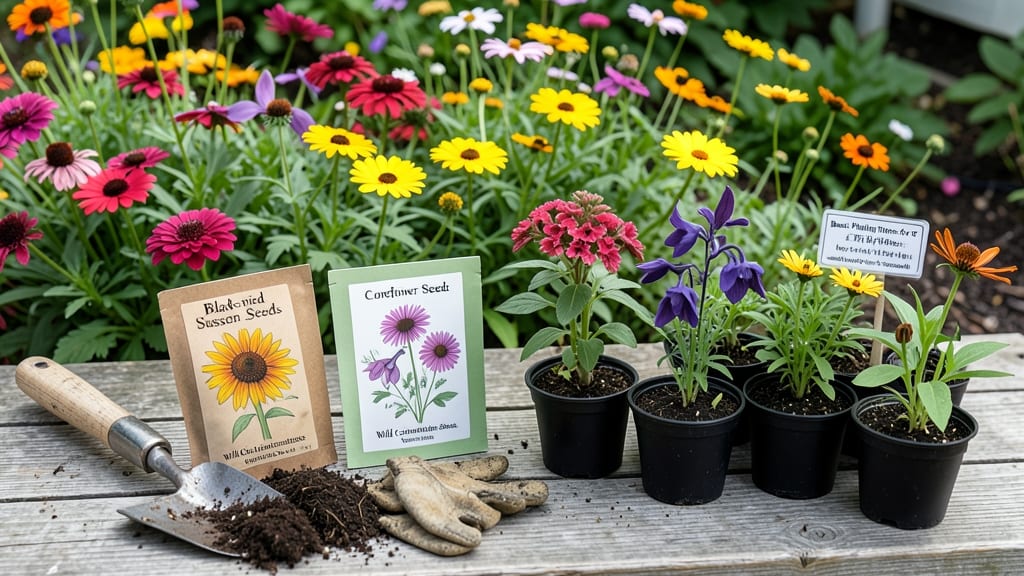
Planting flowers in Connecticut requires precision timing to beat unpredictable frost and maximize blooms—aim for mid-April in most zones, once the soil warms to 60°F.
Connecticut’s 5b-6b zones mean your coastal garden and inland yard can feel like two different climates. One week of late frost can turn a thriving spring garden into a sad, frost-nipped mess, but with the right deadlines, you’ll catch the perfect window for annuals, perennials, and bulbs alike.
From spring bulbs like daffodils to summer annuals like petunias, each variety has its own ideal planting window. We’ll break down the exact frost-free dates by zone, plus how to adjust for microclimates—whether you’re in coastal New London or inland Hartford.
You’ll also discover how to stretch your blooms into fall with smart succession planting, plus where to find CT-specific flowers that thrive in your yard. Let’s get those 🌸 planted on time!
CT flower planting deadlines by hardiness zone (last frost dates)
Connecticut spans USDA hardiness zones 5b-6b, meaning frost dates vary dramatically from coastal zone 6b (warmer) to inland zone 5b (colder). The average last frost ranges from April 15th in coastal areas to May 1st inland, while the first frost typically arrives between October 15th-30th.
Timing your plantings around these dates ensures your flowers thrive without frost damage.
For annual flowers, wait until after the last frost to plant seeds or seedlings. Perennials and bulbs have different rules—some need 6-8 weeks before frost to establish roots, while others can handle light frost.
Understanding your microclimate (e.g., urban heat islands, south-facing slopes) can shift your planting window by 1-2 weeks earlier or later.
Use the table below to find your zone-specific deadlines for planting spring-blooming bulbs, cool-season annuals, and warm-season flowers. Pro tip: Check the National Weather Service or local CT agricultural extension for real-time frost alerts to adjust your timeline.
⚠️ Key Adjustments: Coastal CT (e.g., New London) can plant 2 weeks earlier than inland areas (e.g., Hartford). Elevation also matters—higher areas (e.g., Litchfield Hills) may need to wait 10 days longer for warm soil.
| Zone & Location | Last Frost Date | Spring Planting Deadlines | Fall Planting Deadlines | Notes |
|---|---|---|---|---|
| Zone 6b (Coastal: New London, Groton) | April 15 | Bulbs: Mar 1-15 Annuals: Apr 20-May 10 |
Sep 15-Oct 10 | Warmer microclimates; plant pansies and snapdragons earlier. |
| Zone 6a (Southern CT: Bridgeport, Stamford) | April 22 | Bulbs: Mar 15-Apr 1 Annuals: Apr 25-May 15 |
Sep 1-Oct 5 | Urban areas may be 5°F warmer; monitor soil temps. |
| Zone 5b (Central CT: Hartford, New Haven) | May 1 | Bulbs: Apr 1-15 Annuals: May 10-20 |
Aug 20-Sep 15 | Wait until soil reaches 60°F for seeds (use a soil thermometer). |
| Zone 5a (Northern CT: Torrington, Waterbury) | May 8 | Bulbs: Apr 15-30 Annuals: May 15-25 |
Aug 15-Sep 10 | Cold pockets; protect tender perennials with mulch. |
For spring-blooming bulbs like tulips and daffodils, plant them 6-8 weeks before your last frost date. In zone 5b, that means mid-April, while zone 6b gardeners can start as early as March 1st.
Use a bulb planter or trowel to place them 6-8 inches deep, depending on the bulb size.
When planting warm-season annuals (e.g., marigolds, petunias, zinnias), wait until the soil temperature reaches 60°F—typically 2-3 weeks after your last frost date. Test soil with a thermometer or press your finger into the ground; if it feels warm to the touch, it’s time to plant.
Fall planting in CT offers a second chance for cool-loving flowers like pansies, calendulas, and snapdragons. Aim to plant 6-8 weeks before your first frost (early September for zone 5b, late September for zone 6b). This gives roots time to establish before winter dormancy.
Adjust your planting timeline based on microclimates. A south-facing wall can create a 5°F warmer zone, while a low-lying area may frost 1-2 weeks later. Observe your garden’s patterns for 3 years to refine your schedule. For example, if your tomatoes thrive when planted May 15th, your
Best flowers to plant in CT by season (spring vs. fall)
Timing is everything when planting flowers in Connecticut’s variable climate. Spring planting gives you vibrant summer blooms, while fall planting sets the stage for early spring color.
The key is choosing cold-hardy perennials for fall and heat-loving annuals for spring. Let’s break down the best options for each season to keep your garden blooming year-round.
For spring planting, focus on annuals that thrive in Connecticut’s warm summers. These flowers need to establish roots before the heat sets in, so aim for mid-April to early May after the last frost. Marigolds and petunias are top picks—they bloom prolifically and deter pests.
Meanwhile, fall planting is all about perennials and bulbs that store energy over winter, like daffodils and pansies, which can handle Connecticut’s chilly autumns.
🌱 When to Plant Flowers in CT by Season
- Spring Planting (April-May): Annuals like petunias, marigolds, and geraniums. Wait until soil warms to 60°F and frost risk passes.
- Fall Planting (September-October): Perennials like pansies, dahlias, and crocuses. Plant 6-8 weeks before first frost for root establishment.
- Bulbs (Fall): Tulips, daffodils, and hyacinths need 6-8 weeks of cold to bloom in spring. Plant in October.
- Heat-Tolerant Annuals (Late Spring): Zinnias and sunflowers can handle CT’s summer heat if planted after Memorial Day.
- Cold-Hardy Perennials (Fall): Black-eyed Susans and coneflowers thrive when planted in September for next year’s blooms.
If you’re planting in spring, prioritize heat-loving annuals like cosmos and impatiens. These flowers need consistent moisture and well-draining soil to thrive. Start seeds indoors in March for a head start, or buy transplants from local nurseries once the ground thaws.
For fall planting, focus on cold-hardy perennials that establish roots before winter dormancy. Pansies and snapdragons are excellent choices—they bloom early and handle light frosts.
Don’t overlook bulbs for fall planting! Daffodils and tulips are staples in CT gardens because they multiply over time and return year after year. Plant them in October so they have enough time to root before the ground freezes.
A general rule is to dig a hole twice as deep as the bulb’s height and space them 3-6 inches apart, depending on the variety.
For extended blooms, mix spring and fall plantings. For example, calendulas planted in early spring will keep flowering until frost, while mums planted in late summer will brighten up fall.
This strategy ensures your garden stays colorful from May through October. Just remember: water deeply after planting and mulch to retain moisture and regulate soil temperature.
Pro tip: Check your local USDA hardiness zone (CT is mostly 5b-6b) and adjust planting times if you live in a cooler microclimate, like near the coast. Coastal areas may have later frost dates, so wait an extra week or two before planting tender annuals.
With the right timing, your CT garden can be a nonstop floral show! 🌷