
Flowers
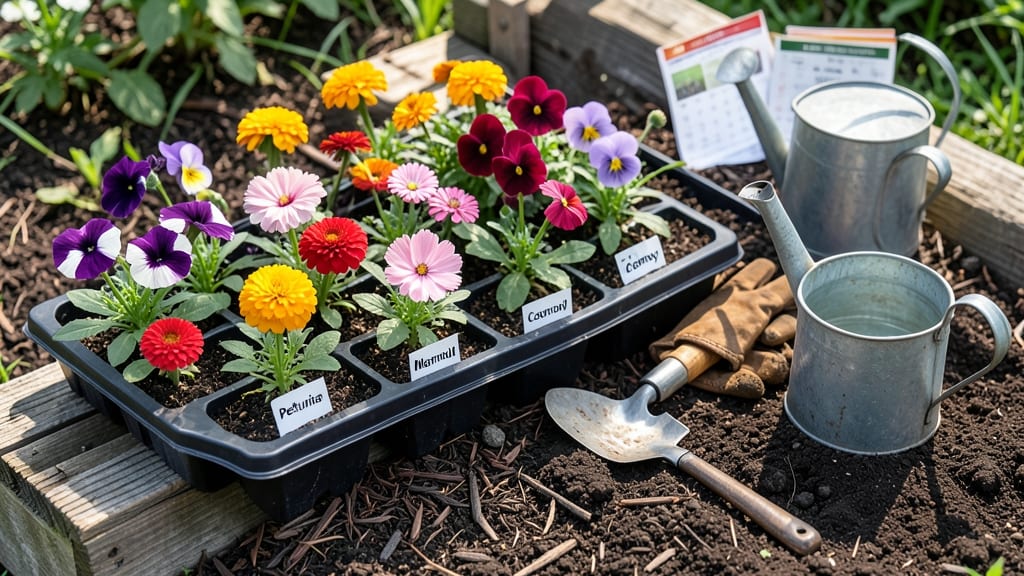
To plant flowers in Idaho, aim for early spring after the last frost—typically mid-April in Zone 7b and late May in the mountains (Zone 3a)—when soil temps hit 50°F.
Idaho’s diverse USDA zones—from 3a in the mountains to 7b in the south—mean your flower planting schedule must be precise to avoid frost damage and maximize blooms.
Whether you’re growing hardy perennials like blanket flower or delicate annuals like sweet peas, timing is everything. Miss the window, and late frosts or scorching summer heat can ruin your garden before it even takes root.
Below, I’ll break down the exact frost-free dates by zone, the best flowers for Idaho’s climate, and pro tips to stretch your growing season—so you can enjoy vibrant blooms from spring through fall.
Idaho’s frost-free planting timeline by USDA zone (3a–7b)
Idaho’s USDA zones 3a–7b create dramatic differences in frost timing, from May 15 in the south to June 15 in mountain valleys. Timing your flower planting correctly means avoiding late spring frosts that can kill tender seedlings and missing fall planting windows before winter sets in.
Let’s break down the exact frost-free dates and ideal planting windows for each zone.
For annual flowers, the rule is simple: wait until after the last frost date and when soil temperatures reach 50°F+.
In USDA zone 7b, that’s typically mid-April, while in zone 3a, you’ll need to wait until late May. Perennials and bulbs have different timing—some can handle cooler soils, while others need warmth to thrive. Let’s dive into the specifics.
🌱 PRO TIP: Use row covers or cold frames to extend your planting season by 2–4 weeks in cooler zones. This is especially helpful for cool-season flowers like pansies or snapdragons that tolerate light frosts.
| USDA Zone | Avg. Last Frost | Spring Planting Window | Fall Planting Window | Soil Temp. for Planting | Best Flowers |
|---|---|---|---|---|---|
| 3a (Mountains) | June 1–15 | Late May–June 1 | August 15–September 15 | 55°F+ | Pansies, Sweet Peas, Delphinium |
| 4a (North ID) | May 1–15 | May 15–June 10 | August 1–September 10 | 50°F+ | Lupines, Columbine, Black-Eyed Susans |
| 5a (Central ID) | April 15–30 | April 30–May 15 | July 15–August 30 | 45°F+ | Tulips, Peonies, Marigolds |
| 6a (South ID) | April 1–15 | April 15–May 1 | July 1–August 15 | 40°F+ | Dahlias, Zinnias, Snapdragons |
| 7b (Treasure Valley) | March 15–31 | March 31–April 15 | June 15–July 31 | 35°F+ | Petunias, Geraniums, Sunflowers |
In USDA zone 3a, where late frosts can linger into June, focus on cold-hardy annuals like sweet peas and pansies. These flowers can handle light frosts and even bloom earlier in the season.
For perennials, plant in late spring after the soil warms to 55°F, giving roots time to establish before winter.
Moving to zone 5a, you’ll find a longer spring planting window (April 30–May 15), perfect
Best flowers to plant in Idaho by season (cool vs. warm-climate varieties)
Idaho’s cool mountain zones and warmer southern valleys create perfect conditions for both hardy perennials and heat-loving annuals. I’ve selected season-specific flowers that thrive in Idaho’s climate, from frost-resistant spring blooms to drought-tolerant summer stars and late-season showstoppers.
For spring planting (March–May), focus on bulbs like tulips and daffodils that naturalize well in Idaho’s rocky soil. These cool-season favorites bloom early, often before summer’s heat arrives. In summer (June–August), prioritize sunflowers and coneflowers—both handle Idaho’s dry spells and attract pollinators like bees and butterflies.
Fall (September–October) is prime time for mums and asters, which add late-season color and tolerate Idaho’s crisp autumn air. Don’t overlook Idaho-native flowers like blanket flower (Gaillardia) or columbine (Aquilegia), which require minimal water and thrive in poor soil.
Heat tolerance varies dramatically: Black-eyed Susans handle 90°F+ days, while pansies prefer cooler 60–75°F temps. Below, I’ve compared the best options by season, including their cold hardiness and water needs to match Idaho’s microclimates.
For Zone 7b gardens in southern Idaho, zinnia and marigold thrive in summer’s heat, while Zone 3a mountain gardens should stick to hardy perennials like Delphinium or Lupine.
I recommend starting annuals from seed indoors 6–8 weeks before your last frost date—typically early March for Zone 7b and late April for Zone 4–5.
Pro tip: Mulch heavily in spring to retain moisture for Idaho’s rocky, well-draining soil. Native flowers like blanket flower and columbine need minimal water once established, making them perfect for low-maintenance gardens. Pair them with drought-tolerant lavender for a fragrant, long-blooming combination.
If you’re new to Idaho gardening, begin with 3–5 varieties to test your microclimate. Sunflowers grow fast and forgive mistakes, while pansies add early color without fuss. Once you’ve mastered these, expand to perennials like coneflowers, which return year after year with zero replanting.