
Flowers
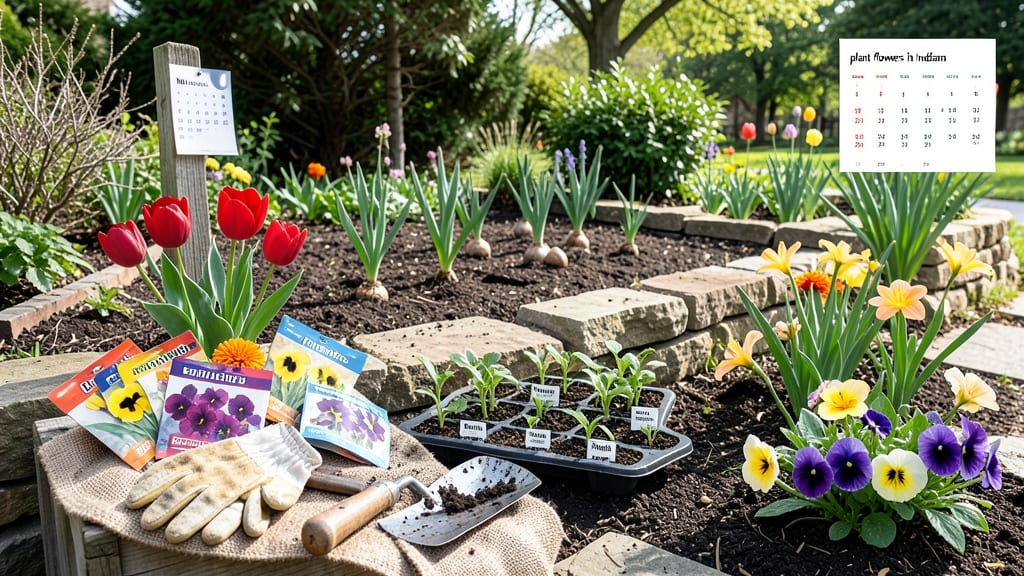
To plant flowers in Indiana, aim for March 15 to May 15 in spring and August 1 to September 15 in fall when soil temperatures hit 50°F and frost risks fade.
Indiana’s unpredictable spring weather can turn your flower planting into a guessing game—but timing is everything for vibrant blooms that last all season.
In Zone 5-6, missing the window by even a week can mean late frosts wiping out tender seedlings, while planting too early risks stunted growth or disease.
Below, I break down the exact month-by-month schedule for annuals, perennials, and bulbs, plus how to adjust for urban heat islands, rural chill, and microclimates.
Indiana flower planting calendar by month: Zone 5-6 specific timing
Indiana’s Zone 5-6 climate means your flower planting schedule hinges on frost dates and soil temperatures—typically between March 15 and May 15 for spring. The average last frost date is around April 15, but rural areas can experience late frosts until May 1.
Planning ahead ensures your annuals, perennials, and bulbs thrive without frost damage.
For tender flowers like marigolds or impatiens, wait until soil temperatures reach at least 50°F—usually mid-May. Hardy perennials such as daylilies or coneflowers can handle cooler soil, making them ideal for early spring planting.
Meanwhile, fall-planted bulbs like daffodils should go in the ground by September 15 to establish roots before winter.
| Month | Plant Type | Best Flowers to Plant | Soil Temp | Key Tip |
|---|---|---|---|---|
| March | Bulbs | Tulips, Daffodils, Hyacinths | 40-50°F | Plant after ground thaws |
| April | Perennials | Coneflowers, Lavender, Peonies | 45-55°F | Use row covers for frost protection |
| May | Annuals | Marigolds, Petunias, Snapdragons | 55-65°F | Wait until after last frost |
| June | Succession | Zinnias, Cosmos, Sunflowers | 60-70°F | Sow every 2 weeks for continuous blooms |
| August | Fall Bulbs | Crocuses, Alliums, Tulips | 50-60°F | Plant before soil cools below 50°F |
| September | Perennials | Asters, Black-Eyed Susans | 50-60°F | Add compost for winter hardiness |
In March, focus on spring-blooming bulbs like tulips and daffodils. These hardy plants can handle Indiana’s cool soil temperatures (40-50°F) and often bloom before annuals even emerge.
For best results, plant bulbs 6 inches deep and 6 inches apart in well-draining soil. Mulch lightly to protect them from late frosts.
By April, shift to hardy perennials such as coneflowers and lavender. These plants thrive in 45-55°F soil and can tolerate light frosts. If a late frost is forecasted, use row covers or cold frames to shield young plants.
April is also ideal for dividing perennials like peonies to encourage healthier growth.
When May arrives, it’s time for tender annuals like marigolds and petunias. Wait until the soil temperature reaches 55-6
How to adjust planting times for Indiana’s microclimates and frost risks
Indiana’s Zone 5-6 climate creates unique challenges for gardeners, especially when late frosts strike after April 15. Urban areas like Indianapolis often experience heat islands that warm soil faster, while rural spots near lakes or hills stay colder longer.
These microclimates can shift your planting window by 2-3 weeks, so knowing how to adapt is key.
Even hardy flowers like daylilies and pansies can suffer if planted too early, while tender petunias and marigolds need protection until nighttime temperatures stay above 50°F. I’ll show you how to fine-tune your schedule and safeguard seedlings with simple tools like row covers and heat mats.
Indiana’s average last frost date is April 15, but rural areas can experience frost until May 1. Urban gardens may warm up faster, but elevation changes (even 100 feet higher) can delay spring by 1-2 weeks. Always check local frost-free date forecasts and adjust planting by 2 weeks later if your area is prone to late frosts.
Start by identifying your specific microclimate. Urban gardens with concrete and pavement absorb heat and warm soil faster, allowing you to plant marigolds and zinnias as early as April 1. In contrast, rural areas or higher elevations may need to wait until mid-May for the same flowers.
Use a soil thermometer to confirm when temps hit 50°F—the safe threshold for most flowers.
For extra protection, use floating row covers or cold frames to shield young plants. These tools can raise soil temperatures by 5-10°F, extending your planting window by 2-3 weeks.
For example, I’ve successfully planted petunias under row covers in early April, then removed them once nighttime temps stayed above 55°F. Heat mats are another great option for seed starting indoors or protecting tender seedlings.
Not all flowers are equally frost-sensitive. Pansies and violas can tolerate light frosts down to 25°F, making them ideal for early spring planting. Daylilies and black-eyed Susans are also hardy and can handle 28°F once established.
On the other hand, geraniums and begonias need to wait until soil is consistently 60°F to avoid damage.
If you’re unsure about your local frost risks, sign up for free frost alerts from your county extension office or use apps like Old Farmer’s Almanac. These tools provide hyper-localized forecasts and can help you adjust your planting schedule dynamically.
For example, if a late frost is predicted, delay planting impatiens or coleus until after May 10 to avoid losses.
With these adjustments, you’ll beat frost risks and enjoy longer bloom seasons for your favorite Indiana flowers—whether you’re in a city garden or a countryside plot. Start small, monitor your microclimate, and don’t hesitate to use protective tools to give your plants the best possible start. Happy gardening! 🌸