
Flowers
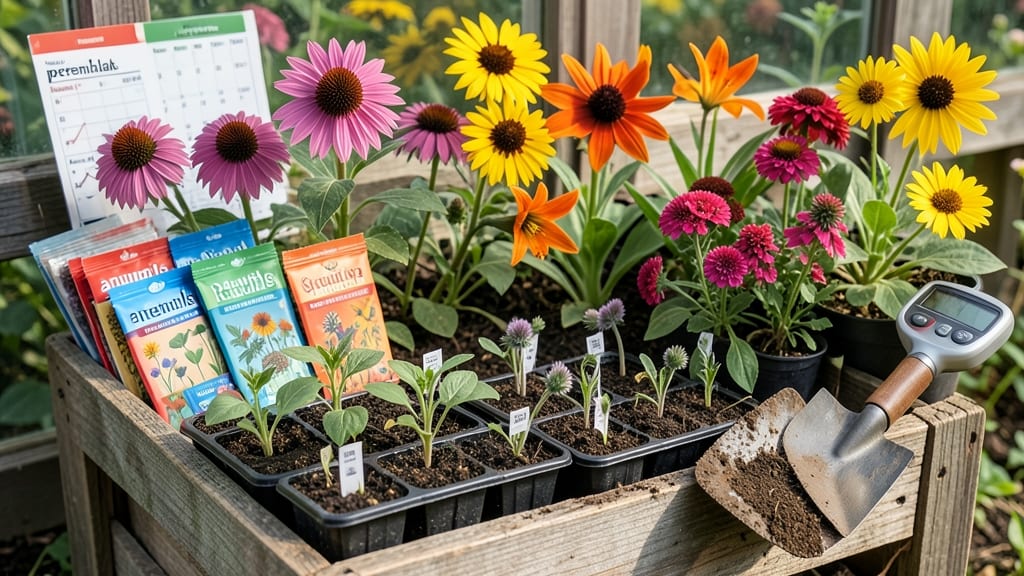
Planting flowers in Kentucky at the right time ensures vibrant blooms all season — and missing the window can mean wilted seeds or stunted growth in the Bluegrass State’s USDA Zone 6B climate.
Kentucky’s mild climate and fertile soil make it a paradise for gardeners—but planting flowers at the wrong time can mean short-lived blooms or wasted seeds. Timing is everything, especially in USDA Zone 6B, where frost dates shift each season.
If you’ve ever rushed to plant spring bulbs only to watch them freeze, or set out summer annuals too late for peak color, you know how critical the calendar is. This guide breaks down the exact months for annuals, perennials, and bulbs, plus how to adjust for Kentucky’s microclimates.
You’ll learn when to start seeds indoors, which native flowers thrive with minimal effort, and how to stretch your blooms from early spring to late fall—without losing them to frost or heat. Let’s get those 🌱 planted right.
Kentucky flower planting calendar by season: exact dates for annuals, perennials, and bulbs
Kentucky’s USDA Zone 6B climate offers a 150-180 day growing season, but the key to vibrant blooms lies in precise planting timing. The average last frost date is around April 15, while the first frost typically arrives by October 20.
Understanding these windows helps you choose between frost-sensitive annuals and hardy perennials that thrive in Kentucky’s conditions.
For annual flowers like petunias and marigolds, timing matters most—plant too early, and they’ll bolt in spring’s unpredictable cold snaps. Meanwhile, perennials like coneflowers and black-eyed Susans need fall planting to establish roots before winter. Even bulbs such as tulips and daffodils have specific windows for optimal blooms.
Here’s your season-by-season breakdown of when to plant flowers in Kentucky, including frost-averse varieties and cold-hardy options to maximize your garden’s potential.
| Season | Plant Type | Best Varieties | Planting Window | Key Notes |
|---|---|---|---|---|
| Spring | Annuals | Petunias, Marigolds, Impatiens | After last frost (April 15–May 1) | Wait for soil to warm to 60°F to avoid rot. |
| Spring | Perennials | Coneflowers, Black-Eyed Susans | March–April (bare root) | Plant 3–4 weeks before last frost for early blooms. |
| Summer | Annuals | Zinnias, Sunflowers, Cosmos | June–July (after heatwave) | Succession plant every 2–3 weeks for continuous blooms. |
| Fall | Bulbs | Tulips, Daffodils, Hyacinths | October–November | Plant 6 weeks before first frost for spring blooms. |
| Fall | Perennials | Peonies, Lavender, Russian Sage | September–October | Establishes roots before winter dormancy. |
| Winter | Cold-Hardy | Snowdrops, Winter Aconite | November–December | Thrives in Zone 6B winters with mulch protection. |
Spring is the peak season for planting annual flowers in Kentucky, but the exact timing depends on your microclimate. In Louisville’s urban heat islands, soil warms faster—ideal for petunias by mid-April. Meanwhile, rural areas may wait until late
How Kentucky’s microclimates affect flower planting times: urban vs. rural timing differences
Kentucky’s diverse geography creates microclimates that can shift flower planting times by 2-4 weeks between Louisville’s urban heat islands and the cooler Appalachian foothills. These variations mean your neighbor’s perfectly timed petunias might struggle in your garden—or vice versa.
Understanding these differences helps you avoid common mistakes like planting tender annuals too early in cold valleys or missing the window for fall-blooming mums in warmer city pockets.
The key factors are elevation, urban heat, and river valleys. Louisville’s concrete and asphalt trap heat, creating a 2-3°F warmer microclimate than rural areas just 20 miles away.
Meanwhile, elevations above 1,000 feet in the Appalachians can delay spring planting by 3-4 weeks due to later frost dates. Even the Ohio River valley’s floodplain soils warm faster in spring, allowing earlier planting of heat-loving flowers like zinnias.
Container gardens add another layer of complexity. Potted soil warms 10-15°F faster than in-ground beds, letting you plant tender annuals like geraniums 2 weeks earlier in containers than in the ground.
This is especially useful in urban heat islands where sidewalks radiate warmth. However, containers also dry out faster, so adjust your watering schedule accordingly—especially for drought-sensitive flowers like impatiens.
To pinpoint your exact planting window, I recommend checking the KY Mesonet (Kentucky’s weather network) for your specific location. Enter your ZIP code to see last frost dates and soil temperature trends.
For example, my garden in Louisville’s West End shows a last frost date of April 10, while a friend’s farm in Henderson County waits until May 1. This 3-week difference means her marigolds bloom later but last longer into fall.
For container gardens, pay attention to soil temperature—it’s the real game-changer. Use a soil thermometer to confirm when temps reach 60°F for most annuals. In containers, this often happens 1-2 weeks earlier than in-ground beds.
If you’re growing cool-season flowers like pansies in fall, rural areas can plant 3 weeks later than urban gardeners without risking frost damage.
Pro tip: Native Kentucky flowers like black-eyed Susans and coneflowers adapt naturally to these microclimates, making them low-maintenance choices. For tender perennials like cannas, wait until after Memorial Day in rural areas but can plant by Mother’s Day in Louisville’s heat islands.
Always match your planting schedule to your local frost history—not your neighbor’s!