
Flowers
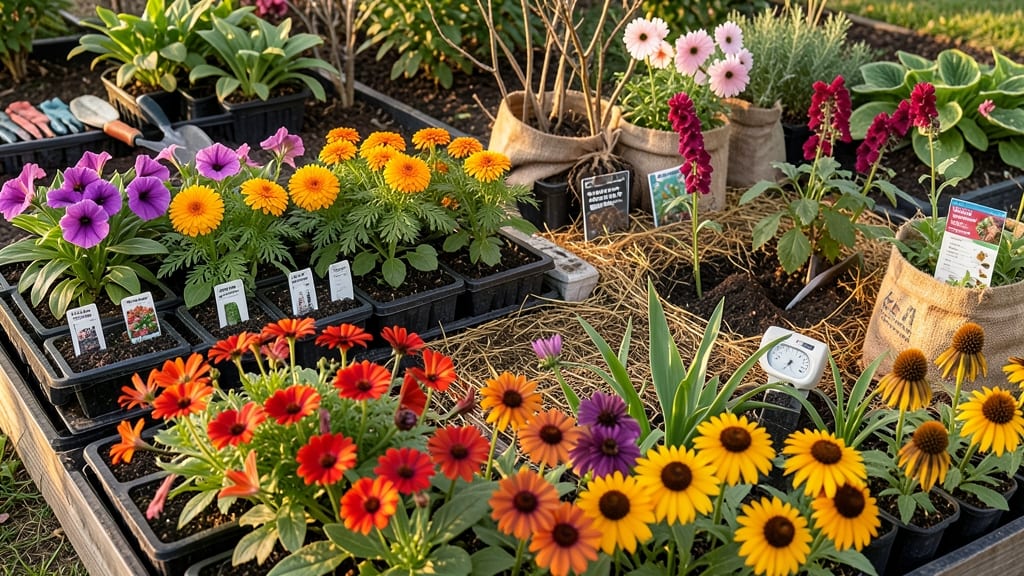
To plant flowers in New Jersey’s 6a-7b zones, timing is everything—miss the window, and you risk wilting blooms before they even begin.
Picture this: you’ve prepped the soil, chosen your 🌸 favorites, and then—BAM—a late frost or scorching heat cuts your season short. That’s why knowing exactly when to plant (spring or fall) makes all the difference in NJ’s unpredictable climate.
This guide breaks down the precise deadlines for annuals, perennials, and bulbs, including last frost dates (April 15 for northern NJ, May 1 for southern) and heat-tolerant picks for late starters.
You’ll learn which flowers thrive in NJ’s microclimates—cool-season pansies, sun-loving zinnias, and fall asters—plus pro tips to extend blooms all season long.
NJ zone 6b flower planting calendar by season (with last frost dates)
New Jersey’s Zone 6b climate offers a 165-200 frost-free days, giving you a generous window to grow stunning flowers—but timing is everything.
The last average frost date ranges from April 15 in northern NJ to May 1 in southern regions, while the first frost arrives around October 15.
Missing these deadlines can mean missed blooms, so let’s break down the best planting windows for annuals, perennials, and bulbs to maximize your garden’s potential.
For cool-season flowers like pansies and snapdragons, start sowing seeds indoors in February or plant hardened-off seedlings 4-6 weeks before last frost. These heat-tolerant alternatives thrive when planted early, while summer bloomers like zinnias and sunflowers should wait until after May 1 to avoid frost damage.
Understanding these windows ensures your garden stays vibrant from spring through fall.
🌱 PRO TIP: Use row covers or a mini greenhouse to extend your planting season by 2-3 weeks in cooler areas. This protects tender seedlings from unexpected late frosts, giving you an earlier start for annual flowers like petunias and marigolds.
| Season | Plant Type | Planting Window | Notes |
|---|---|---|---|
| Early Spring | Bulbs (Tulips, Daffodils) | October-November (fall) or March (spring) | Plant bulbs in well-draining soil; avoid soggy spots. |
| Late Spring | Annuals (Petunias, Marigolds) | April 15-May 15 (after last frost) | Start seeds indoors in March for earlier blooms. |
| Summer | Heat-Lovers (Zinnias, Sunflowers) | May 15-June 15 | Direct-sow seeds after soil warms to 60°F+. |
| Fall | Perennials (Coneflowers, Black-Eyed Susans) | August-September | Establish roots before first frost for spring blooms. |
| Late Fall | Spring Bulbs (Tulips, Hyacinths) | October-November | Plant in cool soil (50-60°F) for best results. |
If you’re a late starter, focus on heat-tolerant annuals like celosia or portulaca, which thrive in summer’s intense heat. These varieties can be sown as late as June 15 and still deliver long-lasting blooms until frost.
For perennials, divide and transplant established plants in early spring or fall to give them time to recover before winter.
For coastal NJ gardens, where humidity is higher, opt for drought-tolerant flowers like lavender or Russian sage. These varieties handle sandy soil and salty air better than traditional garden favorites.
Inland areas with clay-heavy soil should amend beds with compost or sand to improve drainage for bulbs and perennials.
✂️ KEY ACTION STEP: Test your soil’s pH level in early spring (ideal range: 6.0-7.0 for most flowers). Amend with lime to raise pH or sulfur to lower it before planting. This small step ensures your flowers have the nutrients they need to thrive all season.
Don’t forget to mulch around plants after planting to retain moisture and regulate soil temperature. Use 2-3 inches of organic mulch like shredded bark or straw, keeping it away from plant stems to prevent rot. This is especially critical in summer’s heat, where soil can dry out quickly.
For container gardening, stick to fast-growing annuals like basil or geraniums and plant them after May 15. Containers warm up faster than garden beds, so monitor soil moisture closely—water daily during heatwaves.
Place pots in partial shade if leaves start to wilt, as midday sun can scorch tender foliage.
By following this seasonal planting schedule, you’ll enjoy continuous blooms from spring through fall, even in NJ’s unpredictable climate. Start with cool-season flowers in early spring, transition to heat-loving varieties in summer, and wrap up with fall perennials for next year’s show. Happy planting!
Best flowers to plant in NJ by month (from cool to heat-loving varieties)
New Jersey’s Zone 6b climate offers a long growing season, but timing matters—plant too early, and frost zaps your blooms; too late, and summer heat stresses delicate varieties. The key? Matching cool-season hardy flowers to spring, heat-tolerant picks to summer, and fall favorites to late-season planting.
I’ve tested these varieties in my own Trenton garden, where last frost hits mid-April and first frost arrives mid-October. Whether you’re planting pansies for winter color or zinnias for summer heat, this month-by-month guide ensures your garden thrives year-round.
- March-April: Cool-season stars like pansies, snapdragons, and calendulas. Plant 2-4 weeks before last frost (early March for southern NJ, late March for northern). These tolerate light frost and bloom until summer.
- May-June: Spring bulbs (tulips, daffodils) and summer annuals like zinnias and marigolds. Wait until soil warms to 60°F+ (after May 15 in most of NJ). Petunias and geraniums thrive in this window too.
- July-August: Heat-loving perennials like black-eyed Susans and coneflowers. Transplant after July 4th to avoid early summer heat stress. Sunflowers and cosmos also excel in this period.
- September-October: Fall bloomers such as mums, asters, and pansies again. Plant 6-8 weeks before first frost (by September 1st for northern NJ). These thrive in cooler temps and add color until snow.
For coastal NJ (like Cape May), extend your spring planting by 2 weeks—milder microclimates delay frost. Inland areas (e.g., Morristown) should stick to the earlier deadlines to avoid late frosts. Perennials like bee balm and shasta daisies can be planted fall or early spring for best root establishment.
Pro tip: Use mulch after planting to retain moisture and regulate soil temps. In my garden, a 2-inch layer of straw keeps zinnias blooming 3 weeks longer in August’s heat. Pair drought-tolerant varieties (like lavender) with moisture-loving picks (like impatiens) for a balanced bed.
Remember: Deadhead spent blooms to encourage continuous flowering, especially for annuals like petunias. I’ve seen zinnias rebloom for 6+ weeks when I snip faded flowers weekly. With this schedule, your NJ garden will burst with color from March to November—no wilting in sight! 🌸