
Flowers
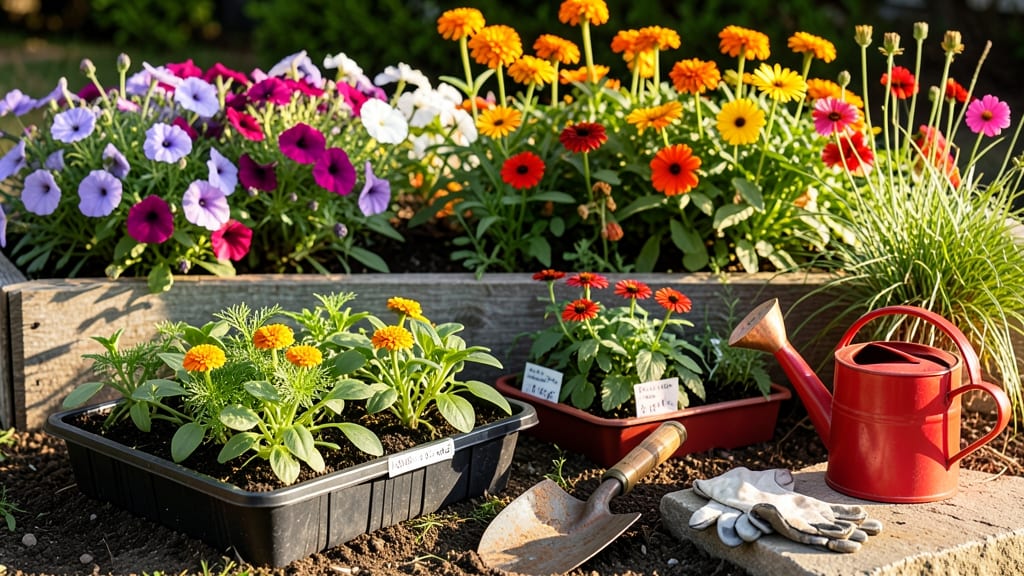
To plant flowers in North Texas, time your spring and fall windows between late February and early April, then again in August and September—when soil and air temperatures align just right for Zone 8a blooms.
North Texas gardeners know timing is everything—plant too early and frost will kill your blooms, too late and summer heat arrives before flowers even peek through the soil. Here’s your precise planting schedule for Zone 8a and 8b, tailored to the region’s unpredictable weather patterns and ideal bloom cycles.
Annuals like zinnias and marigolds need that 60°F soil to thrive, while perennials like Mexican petunias can handle a little more flexibility.
The key is knowing when to start seeds indoors versus transplanting hardened-off plants, and how to adjust for microclimates like the cooler Hill Country or the hotter DFW metroplex.
Below, I break down the exact frost-free deadlines, the best flowers for each month, and how to stretch your season with simple tricks like succession planting and mulching. Ready to transform your yard into a year-round 🌸 paradise?
North Texas frost dates by Zone: critical planting windows for annual flowers
North Texas gardeners face a unique challenge: unpredictable frost dates that can turn a thriving garden into a frozen wasteland overnight.
In Zone 8a (Dallas/Fort Worth) and Zone 8b (San Antonio/Austin), the average last frost date ranges from March 15 to April 1, but microclimates—like urban heat islands or hill country elevations—can shift this by 2-3 weeks.
Understanding these windows is key to avoiding frost damage while maximizing bloom time.
For frost-sensitive annuals like marigolds, petunias, and impatiens, waiting until soil temperatures consistently stay above 60°F is critical. Use the 10-day rule: If nighttime temps drop below 40°F after planting, cover plants with frost cloth or move containers indoors.
Heat-tolerant varieties like lantana, salvia, and zinnias can handle warmer soil earlier, but even they struggle if frost sneaks in unexpectedly.
Here’s how to navigate North Texas frost dates by zone, including adjustments for urban vs. rural areas and heat-tolerant vs. frost-sensitive flowers:
Fall planting in North Texas follows a reverse timeline. The first frost typically hits November 15–30, but Zone 8b areas (like Austin) can delay frost until December 10. For cool-season annuals like pansies, sweet peas, and snapdragons, aim to plant 6–8 weeks before your area’s first frost.
Use mulch or row covers to extend the season—even a light frost can damage tender blooms.
Microclimates play a huge role in North Texas. Urban areas like Dallas often experience earlier last frosts due to concrete heat retention, while rural or elevated areas (like the Hill Country) can have later frosts.
Adjust your planting dates by 1–2 weeks if you’re in a cooler microclimate or use frost blankets for added protection. For example, Mexican petunias thrive in urban heat but may need row covers in rural zones if frost lingers.
Heat-tolerant flowers like zinnias, salvias, and lantana can handle soil temps up to 90°F, making them ideal for early spring or late fall planting. These varieties often self-seed, so you’ll see volunteer blooms the following year.
In contrast, frost-sensitive flowers like impatiens and begonias should wait until after April 15 in Zone 8a to avoid frost damage. Always monitor local weather forecasts—a late frost in early April can still occur.
To maximize your flowering season, pair early bloomers (like pansies and sweet peas) with late-season varieties (such as cosmos and sunflowers). Start seeds indoors
Best flowers to plant by month in North Texas (with heat and drought tolerance ratings)
North Texas summers hit 100°F+, and droughts can last weeks—so choosing the right flowers means selecting heat-tolerant varieties that thrive with minimal water. My top picks include annuals like zinnias (which bloom nonstop) and perennials like Mexican petunias (drought-resistant and self-cleaning).
Below, I’ve ranked them by heat tolerance, drought resistance, and bloom duration to match North Texas’s brutal conditions.
For spring planting (February–April), focus on cool-season flowers like pansies and snapdragons, while fall planting (August–September) unlocks heat-lovers like lantana and black-eyed Susans. The key? Planting after the last frost (March 15 for Zone 8a) and before 100°F soil bakes seedlings.
In March, prioritize cool-season annuals like calendulas (edible petals!) and sweet alyssum, which handle light frosts. These thrive in 50–70°F soil and bloom until May. For April, switch to heat-tolerant annuals like portulaca (succulent-like, zero water needed) and celosia (fireworks-shaped blooms that love 100°F+).
June and July are brutal—only native perennials like salvia greggii (autumn sage) and yucca survive without extra water. These drought-proof plants need no irrigation once established and bloom from spring to fall. Pro tip: Group them with mulch to lock in moisture.
For August–September, fall planting is your second chance—start cosmos and sunflowers from seed for late-summer color. These handle 90°F soil and bloom until first frost. Perennials like coneflowers (echinacea) also thrive when planted in late summer, establishing roots before winter.
Skip water-intensive flowers like hydrangeas or impatiens—they wilt by July. Instead, opt for native grasses like muhly grass (pink plumes) or Texas bluebonnets (state flower!) for zero-maintenance beauty.
My top 3 drought-proof picks? Lantana, black-eyed Susans, and Mexican feather grass—all need less than 1 inch of water per week once mature.