
Blooming
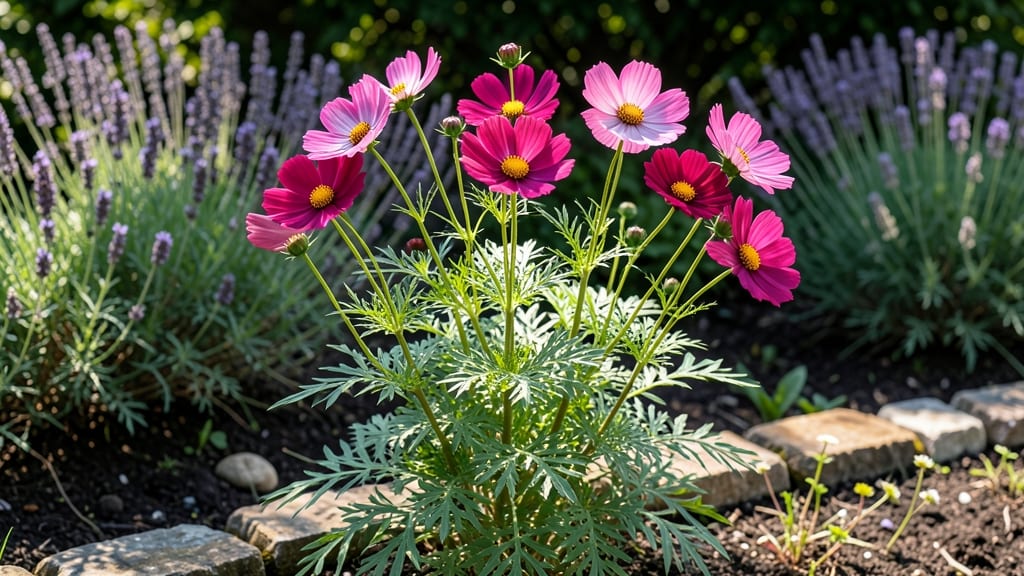
Your cosmos flowering season can stretch from June through October—but only if you plant and care for them the right way in heat zones.
If you love vibrant summer gardens but struggle with cosmos flowers fading too soon, you’re missing the key to extending their blooming season—especially in heat zones where heat stress cuts flowering short.
Cosmos 🌼 thrive when planted in full sun and well-draining soil, but their blooms can wilt fast without proper watering and pruning. The good news? With a few simple tricks—like spacing plants correctly and pinching back stems—you can keep those cheerful blooms coming all summer long.
In this guide, I’ll share the exact planting times, care tips, and variety choices that will give you nonstop color from early summer until frost. Let’s make your garden the talk of the neighborhood!
When and how to plant cosmos for extended summer blooms
Cosmos flowers are summer's darlings, but their blooming season often fades faster than you'd like—especially in heat zones 3-11. The secret to extended summer color lies in strategic planting, soil prep, and spacing techniques tailored to your climate.
By following these heat-zone-specific guidelines, you can transform your cosmos from a fleeting summer showstopper into a continuous bloom machine that thrives from June through October.
Timing is everything with cosmos. Plant too early in cool zones (3-6), and you risk frost damage to tender seedlings. Plant too late in hot zones (7-11), and you'll miss the peak flowering window.
The ideal planting window spans from 2-4 weeks after your last frost date until mid-July, giving your cosmos time to establish roots before summer's full heat arrives. For succession planting, make staggered plantings every 3-4 weeks to ensure a nonstop bloom parade.
| Heat Zone | Best Planting Window | Soil Prep | Spacing | Bloom Duration |
|---|---|---|---|---|
| 3-5 | Late April - May 15 | Loamy, well-draining | 12-18 inches apart | July - September |
| 6-8 | March 15 - April 30 | Sandy loam, compost-amended | 18-24 inches apart | June - October |
| 9-11 | February 15 - July 15 | Well-draining, mulched | 24-36 inches apart | May - November |
Before you even think about planting, soil preparation is your first step to longer-lasting blooms. Cosmos thrive in well-draining soil with a slightly acidic to neutral pH (6.0-7.0).
Amend your soil with compost or aged manure to improve fertility without overfeeding, which can lead to leafy growth at the expense of flowers. In hot zones (9-11), add a 2-inch layer of mulch to retain moisture and regulate soil temperature—critical for heat-stressed plants.
Proper spacing is non-negotiable if you want cosmos to shine. Crowded plants compete for sunlight, water, and nutrients, leading to stunted growth and fewer blooms. In cool zones (3-6), space plants 12-18 inches apart to allow airflow and prevent fungal diseases.
In hot zones (7-11), increase spacing to 24-36 inches to give roots room to spread and access deeper moisture. For container gardening, use 5-gallon pots with drainage holes and space plants 12 inches apart.
For succession planting, the key is staggered timing. Start with your first planting in early spring (as soon as soil is workable), then follow up with two more plantings every 3-4 weeks. This ensures you always have new blooms opening as older ones fade.
In heat zones 9-11, you can even make a final planting in late summer (around August 1) for fall blooms that last until the first frost.
Don't overlook the power of pinching back young cosmos plants. When seedlings reach 6-8 inches tall, pinch off the top set of leaves to encourage bushier growth and more flower stems.
Repeat this process every 4-6 weeks throughout the growing season to prolong flowering. This simple trick can double your bloom count by stimulating lateral shoots that produce more flowers.
If you're in a drought-prone area, choose dwarf varieties like 'Purity' or 'Sensation Mix', which have shorter, sturdier stems that require less water. These varieties also recover faster from heat stress and continue blooming even when other cosmos varieties wilt.
For maximum drought resistance, water deeply once a week rather than shallowly every day, encouraging roots to grow deeper in search of moisture.
One common mistake gardeners make is over-fertilizing cosmos. These plants are light feeders and thrive in leaner soil. Too much nitrogen leads to leafy growth instead of flowers. Instead, use a balanced fertilizer (5-10-10) sparingly—just once in early spring and again after the first flush of blooms.
In heat zones 9-11, skip fertilizer entirely after mid-summer to avoid stressing the plants as they prepare for fall dormancy.
To extend the blooming season into early fall
Heat-zone care secrets: watering, pruning, and fertilizing for longer cosmos flowering
When summer heat arrives, cosmos plants often struggle to maintain their vibrant blooms. The key to extending your cosmos flowering season lies in strategic care adjustments that protect against heat stress while encouraging continuous blooming.
Unlike many flowers, cosmos thrive in heat but need specific support to prevent wilting and early dormancy.
My secret weapon? A three-pronged approach combining mulching techniques, pruning schedules, and organic fertilizers that strengthen roots without burning tender foliage. These methods work together to create an environment where cosmos can focus energy on producing flowers rather than surviving extreme temperatures.
💡 Cosmos Heat-Zone Tip
For maximum flowering extension, combine 3 inches of mulch with biweekly pruning and balanced organic fertilizer every 4-6 weeks during peak heat (June-August). This trio creates a cool root zone while stimulating new growth.
Start with mulching methods that act like insulation. Apply 3 inches of organic mulch like straw or shredded leaves around your cosmos plants, keeping it 2-3 inches away from stems to prevent rot.
This creates a cooler microclimate at the roots while reducing evaporation. I've seen cosmos in USDA Zone 9 maintain blooms for 12+ weeks using this technique alone.
Next, adjust your pruning schedules to encourage bushier growth. Pinch back the tips of young plants when they reach 6 inches tall, and then continue deadheading spent blooms every 3-5 days.
This might seem counterintuitive in heat, but removing faded flowers redirects energy to new buds. I prune mine on cloudy mornings to minimize stress on the plants.
For organic fertilizers, switch to a low-nitrogen formula like 5-10-10 during summer. Overfeeding with nitrogen promotes leafy growth at the expense of flowers. Instead, I use compost tea every 4 weeks, which provides slow-release nutrients without burning.
The key is to fertilize in the early morning when temperatures are cooler and plants can absorb nutrients efficiently.
Finally, monitor your watering routine closely. While cosmos are drought-tolerant once established, they still need deep watering every 2-3 days during peak heat. Water at the base of plants rather than overhead to prevent fungal issues.
I've found that adding 1 inch of water per week during dry spells keeps my cosmos thriving without encouraging root rot.
With these heat-zone care secrets, your cosmos can continue flowering well into late September or October, providing that beloved summer color when other plants begin to fade. The investment of just 15 minutes weekly for pruning and mulch maintenance pays off in weeks of extended blooms. 🌼