
Flowers
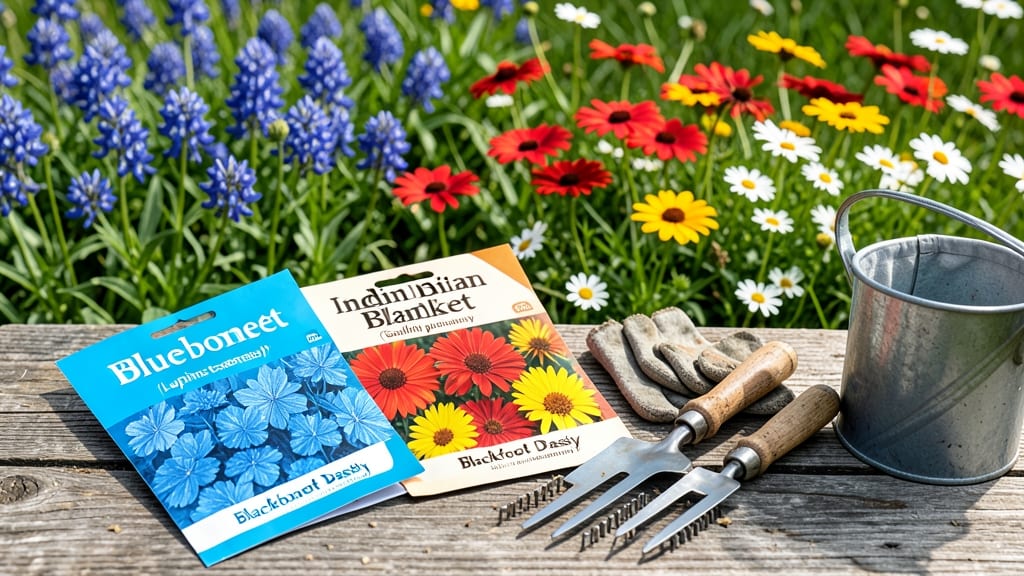
Planting flowers in Texas at the right time means the difference between a garden that thrives and one that wilts before it even blooms.
Texas gardeners face a unique challenge: scorching summers and unpredictable weather that can make or break your flower beds. Planting at the wrong time means wilting blooms before they even open—but timing it right unlocks vibrant, long-lasting flowers that thrive despite the heat.
From the North Texas chill to the South Texas heat, the best planting windows shift dramatically. Perennials like bluebonnets and black-eyed Susans need a head start in early spring, while annuals like zinnias can handle summer’s intensity if planted after the last frost.
The key? Knowing your zone—whether you’re in 8a or 10b—and adjusting for Texas’s 200–365 frost-free days.
In this guide, I’ll break down the exact months to plant for your region, the drought-resistant flowers that outperform in Texas heat, and how to prep your soil for a year-round blooming success—no guesswork, just thriving 🌸.
Texas flower planting calendar by heat Zones (North vs south)
Texas's diverse climate creates distinct planting challenges between its North (USDA Zones 8a-9b) and South (USDA Zones 9a-10a) regions. In the North, gardeners contend with earlier frosts and shorter growing seasons, while Southern gardeners enjoy longer heat exposure and extended bloom times.
Understanding these differences is key to selecting the right flowers and planting them at the optimal times.
For North Texas (Zones 8a-9b), the last frost typically occurs around February 15, while South Texas (Zones 9a-10a) rarely sees frost, allowing year-round planting for heat-tolerant varieties.
This means your annuals and perennials will thrive if planted according to these regional guidelines, avoiding the common pitfalls of heat stress or frost damage.
Here’s how to align your planting schedule with Texas’s heat zones for maximum bloom success. The comparison below breaks down the best months for planting, ideal flower types, and critical care adjustments.
| Zone & Region | Last Frost Date | Best Planting Window | Ideal Flowers | Key Care Adjustment |
|---|---|---|---|---|
| North Texas (8a-9b) | Feb 15 | Feb–April (Spring) Sept–Nov (Fall) |
Bluebonnets, Black-Eyed Susans, Coreopsis, Salvia | Mulch heavily to protect roots from late frosts; water deeply in summer. |
| South Texas (9a-10a) | None (rare frost) | Year-round (with seasonal adjustments) Peak: Feb–May, Sept–Nov |
Lantana, Zinnias, Portulaca, Gaillardia, Bougainvillea | Use shade cloth for summer plantings; prioritize drought-resistant varieties. |
| Both Regions | N/A | June–July (Summer Heat-Tolerant) | Sunflowers, Marigolds, Vinca, Blanket Flower | Plant in late afternoon to reduce transplant shock; mulch to retain moisture. |
In North Texas, focus on spring and fall planting to avoid the brutal summer heat. For example, bluebonnets should be sown in late September to October for spring blooms, while annuals like zinnias thrive when planted in March or September.
The key is to give roots time to establish before the summer heat ramps up.
Southern gardeners have more flexibility but must still plan carefully. Heat-loving annuals like lantana and portulaca can be planted year-round, but for best results, aim for February to May or September to November. These months offer cooler temperatures that reduce stress on newly planted flowers.
For perennials, timing matters just as much. In North Texas, plant black-eyed Susans and coneflowers in early spring (March) or fall (October) to ensure they establish roots before summer. In South Texas, these perennials can handle fall planting (September) and will bloom through winter and into spring.
One common mistake is planting tender annuals too early in South Texas, only to have them bolt or struggle in the heat. Instead, opt for heat-tolerant varieties like gaillardia or bougainvillea, which thrive in the 100°F+ temperatures common in the region.
In North Texas, avoid planting heat-sensitive flowers like impatiens until after the last frost.
Adjust your watering schedule based on the season and zone. In North Texas, deep watering every 5–7 days in summer is critical, while South Texas gardens may need daily watering during peak heat (June–August). Always water in the early morning to prevent fungal diseases and reduce evaporation.
Finally, don’t overlook mulching—it’s a game-changer for Texas gardens. Apply a 2–3 inch layer of mulch around plants to retain moisture, regulate soil temperature, and suppress weeds. Organic mulches like shredded bark or straw work best for both North and South Texas gardens.
By following these zone-specific guidelines, you’ll create a flourishing flower garden that blooms beautifully year-round, regardless of whether you're in freeze-prone North Texas or tropical South Texas. Happy planting! 🌸
Best flowers to plant in Texas by season (heat-resistant picks)
Texas heat can turn your flower beds into a sad, sun-scorched mess—unless you choose the right plants and plant them at the right time. The key is selecting heat-resistant varieties that thrive in Texas’s 90°F+ summers and knowing when to tuck them into the soil for maximum blooms.
I’ve tested these flowers in my own North Texas garden (Zone 8a) and Central Texas plots (Zone 8b), so you can trust they’ll deliver vibrant color without wilting.
Spring is your best bet for perennials and cool-season annuals, while summer and fall bring out the toughest heat-lovers. Even winter isn’t a dead zone—some native flowers surprise you with blooms when others sleep.
Below, I’ve organized my top picks by season, complete with planting windows and care tips to keep your garden popping year-round.
🌸 Spring Planting (Feb–April)
- Bluebonnets (Lupinus texensis) – Native Texas wildflower, plant Sept–Nov (fall) for spring blooms; drought-proof once established.
- Black-Eyed Susan (Rudbeckia hirta) – Perennial powerhouse; sow seeds Feb–March for summer-long color; tolerates poor soil.
- Sweet Alyssum (Lobularia maritima) – Cool-season annual; plant Jan–March for fragrant blooms; attracts beneficial insects.
☀️ Summer Planting (May–July)
- Zinnias (Zinnia elegans) – Heat-loving annual; sow April–June after last frost; deadhead for non-stop blooms.
- Lantana (Lantana camara) – Drought-resistant shrub; plant March–April; attracts butterflies and hummingbirds.
- Portulaca (Moss Rose) – Succulent-like annual; scatter seeds May–June; thrives in full sun and poor soil.
🍂 Fall Planting (Aug–Oct)
- Marigolds (Tagetes spp.) – Pest-repelling annual; sow Aug–Sept for winter color; disease-resistant.
- Pentas (Egyptian Starflower) – Heat- and humidity-tolerant; plant April–Sept; blooms year-round in South Texas.
- Salvia (Salvia leucantha) – Perennial workhorse; plant Sept–Oct for spring blooms; deer-resistant.
❄️ Winter Planting (Nov–Jan)
- Texas Bluebells (Eustoma grandiflorum) – Winter bloomer; sow Sept–Oct for December–March flowers; frost-sensitive in North Texas.
- Pansies (Viola × wittrockiana) – Cool-season annual; plant Nov–Jan; edible flowers for salads.
- Crocus (Crocus spp.) – Early spring harbinger; plant Oct–Nov for January–February blooms; deer-proof.
Pro tip: For South Texas gardeners (Zones 9a–10b), you can plant year-round—just avoid the hottest months (July–August) when even heat-lovers like zinnias can struggle. In North Texas (Zones