
Flowers
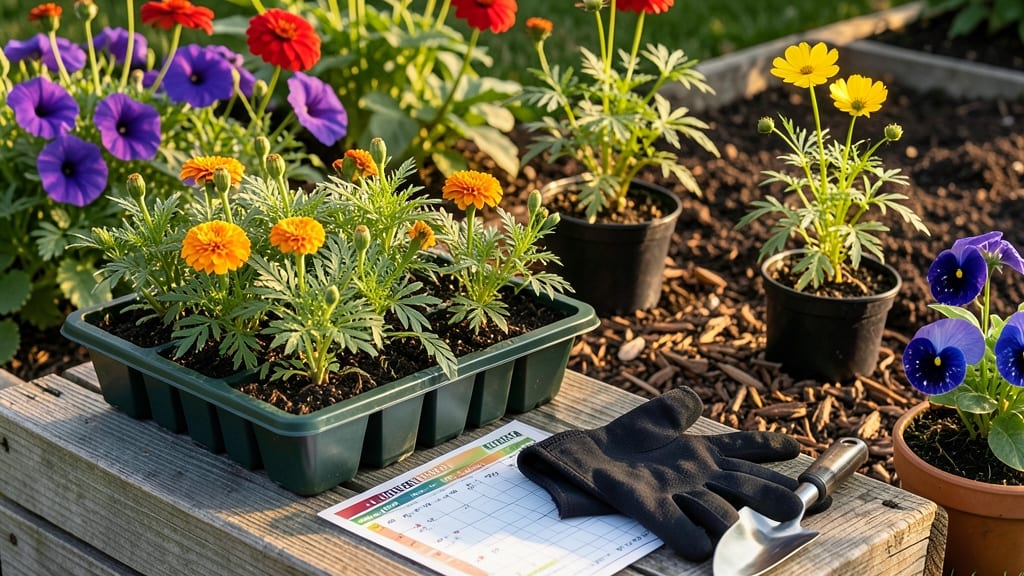
Planting flowers in Philadelphia at the right time means the difference between a garden bursting with color and one that struggles to take root.
Timing your flower planting in Philadelphia’s unpredictable climate can mean the difference between vibrant blooms and wilted disappointment—so when exactly should you start?
With USDA Zone 7a and last frost dates around April 15, the window for planting annuals and perennials is tight. Cool-season flowers like pansies and snapdragons can go in as early as March, while heat-loving petunias and geraniums wait until after the last frost.
Below, I’ll break down the best months for each type of flower, plus how to adjust for Philadelphia’s urban heat islands and late spring cold snaps.
Philadelphia flower planting calendar by season: exact months for best results
Philadelphia’s Zone 6b climate offers a 180-day frost-free season, but timing is everything for vibrant blooms. The average last frost date is around April 15, while the first frost typically arrives November 15. However, microclimates—especially in urban areas—can shift these dates by 1-2 weeks.
To maximize your garden’s potential, I’ve broken down the best planting windows for annuals, perennials, bulbs, and containers, including heat-tolerant varieties perfect for Philly’s summers.
Spring is the prime planting season for most flowers, but cool-season crops like pansies and snapdragons can handle early starts. Meanwhile, fall planting (September-October) gives perennials and bulbs a head start.
Heatwaves in July and August demand drought-tolerant varieties like zinnias and lantana, while shade-loving impatiens thrive in Philly’s humid afternoons. Let’s dive into the exact months for each flower type to ensure your garden stays ahead of the curve.
📅 Key Dates to Remember:
- Last Frost: April 15 (but monitor forecasts—late frosts can occur in Zone 6b)
- First Frost: November 15 (earlier in exposed areas)
- Heatwave Prep: June-August (water deeply 2-3x/week for annuals)
- Fall Planting: September 1-October 15 (ideal for bulbs and perennials)
| Season | Plant Type | Best Planting Month | Notes |
|---|---|---|---|
| Early Spring | Cool-Season Annuals | February-March | Pansies, snapdragons, sweet peas (use row covers if frost threatens) |
| Late Spring | Warm-Season Annuals | April 15-May 15 | Marigolds, zinnias, petunias (wait until soil warms to 60°F) |
| Summer | Heat-Tolerant Annuals | June-July | Lantana, cosmos, sunflowers (mulch to retain moisture) |
| Fall | Perennials & Bulbs | September-October | Coneflowers, daffodils, tulips (plant 6 weeks before first frost) |
| Year-Round | Containers | March-November | Geraniums, fuchsias (replace spent plants every 2-3 months) |
For annual flowers, timing is critical—plant cool-season varieties like pansies in February-March for early color, then transition to heat-loving zinnias and cosmos after the last frost. My go-to annuals for Philly include marigolds (April 15), which deter pests, and petunias (May 1), which thrive in containers.
Pro tip: Use black plastic mulch in late May to warm soil faster for slow-starting annuals like salvia.
Perennials like black-eyed Susans and coneflowers can be planted in early spring (March-April) or fall (September-October). Fall planting gives roots time to establish before winter, while spring planting ensures immediate blooms.
I’ve found that dividing perennials in early spring (March) rejuvenates clumps, but avoid this in Zone 6b’s late frosts. For bulbs like tulips and daffodils, plant them in October for spring blooms—they need 6-8 weeks of chilling to flower.
Philadelphia’s urban heat islands can push summer temperatures 5-10°F higher than suburban areas, so shade-loving flowers like impatiens and fuchsias are my go-to choices for July-August. These thrive in partial shade and high humidity, common in Philly’s summer afternoons.
For containers, I swap out spent spring flowers with heat-tolerant annuals in June, ensuring continuous color until the first frost. Remember to water containers daily during heatwaves—they dry out 3x faster than in-ground plants.
If you’re new to gardening in Philly, start with easy-care annuals like cosmos and sunflowers, which germinate quickly and tolerate Zone 6b’s variable weather
How to adjust planting times for Philadelphia’s microclimates and unpredictable weather
Philadelphia’s urban heat islands and unpredictable spring weather can throw off even the most careful planting schedules. While the average last frost date is April 15, some years see late cold snaps into May, while others bring heatwaves that dry out seedlings.
Adjusting your timeline based on your specific microclimate is key to success.
Urban areas like Center City experience 5-10°F higher temperatures than suburban neighborhoods, which can push warm-season flowers like marigolds and zinnias into the ground earlier. Meanwhile, windy spots near the Delaware River may require protective measures to prevent transplant shock. Let’s break down how to fine-tune your schedule.
⚠️ Callout-Warning: Philadelphia’s Late Spring Surprises
⚠️ Warning: Even after April 15, late frosts can hit Philadelphia. Use the National Weather Service’s Philadelphia frost alerts and plant heat-loving annuals (like petunias) only after May 1 for safety. For cool-season flowers (e.g., pansies, snapdragons), start seeds indoors by February 15 to beat the clock.
For early planting, use row covers or cold frames to protect seedlings. These tools can extend your growing season by 2-4 weeks, letting you plant hardy annuals like calendulas or stocks as early as March 15.
Simply drape a lightweight frost cloth over seedlings during nighttime cold snaps—remove it by 10 AM to prevent overheating.
If your garden sits in a windy microclimate (common near the Schuylkill Expressway), create a windbreak using bamboo stakes or a living hedge of Russian olive. This protects delicate stems of delphiniums or hollyhocks from snapping.
For container gardens on rooftops, move pots to sheltered spots during storms and water morning and evening to combat heat stress.
Monitor soil temperatures with a soil thermometer—most seeds need 60°F+ to germinate. In urban concrete-heated beds, soil warms faster, so you might plant warm-season flowers like geraniums a week earlier than in cooler suburban areas. Pair this with mulch to retain moisture and regulate temperature swings.
Finally, keep a gardening journal to track your local patterns. Note when specific flowers bloom or when unexpected frosts occur. Over time, you’ll refine your schedule—maybe shifting cosmos from May to April or delaying sunflowers until June. With these adjustments, your Philadelphia garden will thrive despite the chaos.