
Flowers
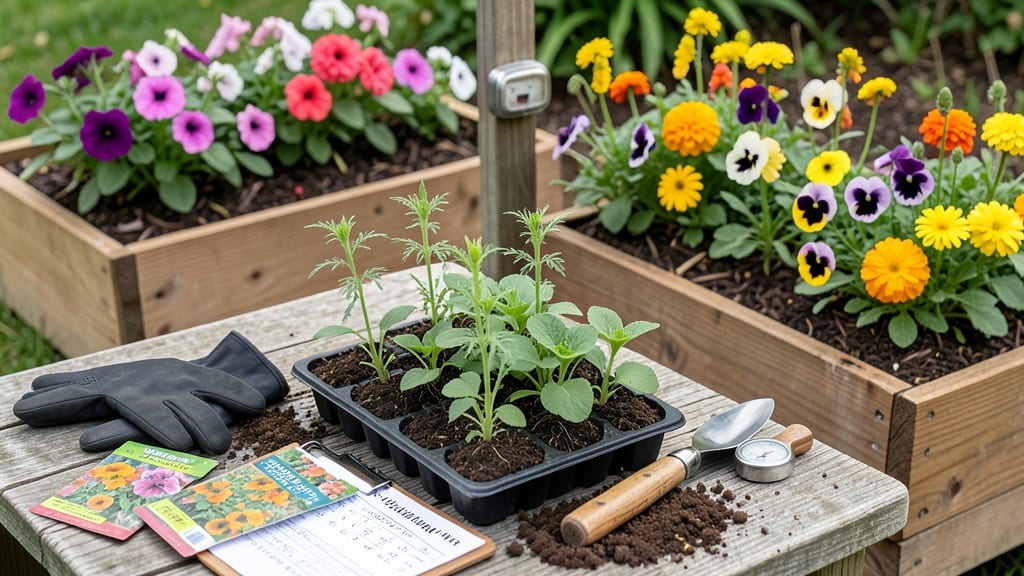
To plant flowers in Seattle, aim for March through May in spring and September through October in fall, when soil temperatures and frost risks align perfectly for your 🌸.
Seattle’s unpredictable weather can turn even the most eager gardener into a guessing game player—plant too early and risk frost, too late and miss the growing season.
But with the right timing, your flowers can bloom reliably year after year, no matter if you're in the rainy west side or the drier east side.
Understanding Seattle’s USDA Zone 8a and microclimates is the key. The last frost typically hits around March 15, but urban areas can warm up faster than rural spots, giving you a 2-3 week window to adjust planting dates.
Below, I’ll break down the best times for annuals, perennials, and native flowers—plus how to tweak your schedule for Seattle’s unpredictable spring and cooler summers—so you can enjoy blooms from spring through fall.
Seattle’s microclimates: best flower planting dates by zone
Seattle’s diverse microclimates create unique challenges for gardeners. The West Side (like Ballard or Fremont) stays cooler and wetter, while the East Side (like Bellevue or Kirkland) enjoys warmer, drier conditions. Urban Heat Islands in downtown areas can push temperatures 5-10°F higher than surrounding neighborhoods.
These differences mean your planting timeline should adjust based on where you live within the city.
For annual flowers, timing is everything—plant too early and frost will kill tender seedlings, too late and you’ll miss peak bloom seasons. Perennials and bulbs have slightly more flexibility, but even they benefit from microclimate-specific schedules.
I’ve broken down the best planting windows for each Seattle zone, including adjustments for frost-free dates that vary by neighborhood.
Here’s a quick comparison of planting windows for Seattle’s three key microclimates, covering everything from spring-blooming bulbs to summer annuals and fall perennials.
| Microclimate | Plant Type | Spring Planting Window | Fall Planting Window | Key Notes |
|---|---|---|---|---|
| West Side (Cooler/Wetter) | Annuals (e.g., Petunias, Marigolds) | May 15 - June 15 | September 1 - September 15 | Wait until soil warms to 55°F; use row covers for early starts. |
| West Side (Cooler/Wetter) | Perennials (e.g., Lavender, Coneflowers) | March 1 - April 15 | September 15 - October 15 | Plant after last frost (avg. March 15); mulch heavily. |
| West Side (Cooler/Wetter) | Bulbs (e.g., Tulips, Daffodils) | October - November (fall) | N/A (Fall planting) | Plant 6-8 weeks before first frost (Nov 15 avg.). |
| East Side (Warmer/Drier) | Annuals (e.g., Geraniums, Zinnias) | April 15 - May 1 | August 15 - September 1 | Soil warms earlier; start seeds indoors by March 1. |
| East Side (Warmer/Drier) | Perennials (e.g., Peonies, Black-Eyed Susans) | February 15 - March 15 | September 1 - October 1 | Plant early to establish roots before summer heat. |
| Urban Heat Islands (Downtown) | Annuals (e.g., Sunflowers, Cosmos) | April 1 - April 15 | August 1 - August 15 | Heat-tolerant varieties; water deeply in containers. |
| Urban Heat Islands (Downtown) | Perennials (e.g., Russian Sage, Catmint) | February 1 - March 1 | September 15 - October 1 | Drought-tolerant species thrive here; amend soil with compost. |
If you’re on the West Side, hold off on planting tender annuals until mid-May—soil stays cold longer, and late frosts (even in April) can damage young plants. I’ve had marigolds and petunias survive when planted in late May, but early starts often wilt overnight.
For perennials, March is ideal once the ground thaws, but watch for soil moisture—West Side gardens can get waterlogged.
The East Side offers a shorter window for spring planting, but you can start se
How to adjust planting times for Seattle’s unpredictable weather
Seattle’s erratic weather patterns can make planting flowers feel like a high-stakes gamble. One week you’re dealing with late spring frosts, and the next, summer heat arrives early. But with a few strategic adjustments, you can extend your bloom season and protect delicate plants from Mother Nature’s whims.
The key is flexibility. Instead of sticking to rigid calendars, I focus on soil temperature, frost dates, and microclimate shifts. For example, West Seattle’s cooler, wetter conditions often mean waiting 1-2 weeks longer than East Side neighborhoods before planting tender annuals like petunias or geraniums.
- 📅 Wait for soil warmth: Use a soil thermometer—plant when temps hit 50°F+ for spring blooms like tulips or dahlias.
- 🛡️ Use frost blankets: Cover tender perennials (e.g., lavender) with fleece fabric until May 15 to shield from late frosts.
- 🌿 Start cool-season flowers early: Pansies and snapdragons can handle 40°F soil—plant them by March 1 for spring color.
- 🌡️ Monitor heat spikes: If June temps exceed 80°F, delay planting heat-sensitive annuals (e.g., cosmos) until late July.
- 🍂 Fall planting window: Aim for September 15–October 1 to establish roots before first frost (usually November 15).
Another trick I swear by is successive planting. Instead of sowing all your marigolds or zinnias at once, stagger them every 2 weeks from May through July. This ensures continuous blooms and reduces the risk of losing an entire batch to unexpected cold snaps.
For fall planting, focus on cold-hardy varieties like chrysanthemums or asters. These thrive when planted 6–8 weeks before frost, giving them time to root before winter. I also mulch heavily (3–4 inches) to insulate roots from temperature swings.
Don’t forget about container gardening—it gives you mobility to move plants to sheltered spots during heatwaves or frost warnings. For example, potted geraniums can be rolled into a garage overnight if a 32°F alert pops up.
Finally, keep a local frost calendar handy (check Seattle’s King County updates) and adjust your timeline by 1–2 weeks if needed. With these tweaks, your garden will bloom like clockwork, no matter what Seattle throws at you. 🌷