
Flowers
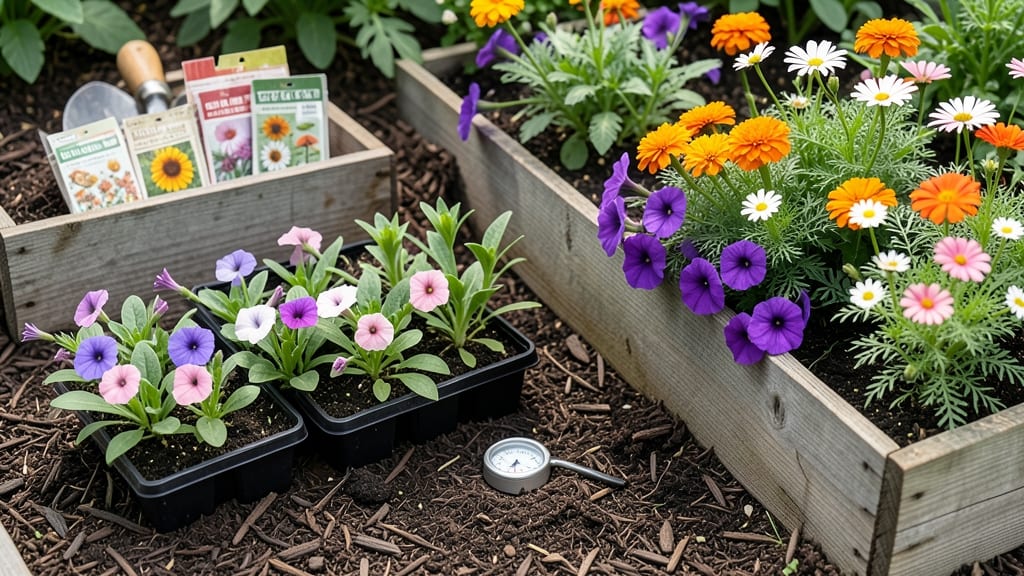
Planting flowers in South Carolina at the right time means bold color from spring through fall—but miss the window, and you’ll end up with frost-nipped petals or wilting heat.
Picture this: You’ve spent hours selecting the perfect 🌸 annuals for your garden, only to watch them bolt in the heat or freeze overnight. That’s why timing matters more than you think—especially in Zone 8A/8B, where microclimates can shift frost dates by weeks.
In this guide, I’ll break down the exact months to plant for year-round blooms, from cool-season workhorses like pansies to heat-loving zinnias. You’ll learn how to adjust for Charleston’s coastal breezes, Columbia’s urban heat islands, and Greenville’s higher elevations—plus when to start seeds indoors for a head start.
Ready to skip the guesswork? By the end, you’ll know when to plant for a garden that stays vibrant from March through November—and how to stretch the season even longer with smart succession planting.
Best flower planting times by season in south Carolina’s zone 8A/8B
South Carolina’s Zone 8A/8B offers gardeners a unique advantage—extended growing seasons that allow for year-round planting with careful timing. The key is understanding frost dates, soil temperatures, and regional microclimates that vary between Charleston’s coastal warmth and Greenville’s piedmont chill.
For most areas, the last frost date falls around mid-March, while the first frost typically arrives by mid-November.
In this guide, I’ll break down the ideal planting windows for annuals, perennials, and bulbs by month, including adjustments for coastal vs. inland conditions. Whether you’re planting cool-season pansies in winter or heat-loving zinnias in summer, timing ensures your flowers thrive—and don’t get nipped by unexpected cold snaps.
🌱
| Season | Plant Type | Best Planting Months | Soil Temp Requirement | Notes for SC |
|---|---|---|---|---|
| Spring | Cool-Season Annuals | February–April | 45–60°F | Plant pansies, snapdragons in February; wait until after last frost (mid-March) for petunias, marigolds. |
| Spring | Perennials | March–April | 50–65°F | Ideal for daylilies, coneflowers. Coastal areas can plant 2 weeks earlier. |
| Summer | Heat-Loving Annuals | May–June | 60–75°F | Plant zinnias, lantana, sunflowers after soil warms. Greenville may need shade cloth for early plantings. |
| Fall | Cool-Season Annuals | August–September | 55–65°F | Perfect for cosmos, sweet alyssum. Charleston can extend to October. |
| Fall | Bulbs (Spring Bloomers) | September–October | 60–70°F | Plant tulips, daffodils 6 weeks before first frost for best root growth. |
| Winter | Hardy Annuals | November–December | 40–50°F | Try pansies, calendula in protected microclimates (e.g., near south-facing walls). |
For spring planting, start with cool-season annuals like pansies and violas in February, especially in Charleston’s warmer microclimate. These can handle light frosts and bloom early.
Once the last frost date passes (typically mid-March), shift to heat-loving annuals such as zinnias and sunflowers, which thrive in Zone 8A/8B’s long summers.
Summer planting in SC is all about succession planting. After the soil warms to 60°F+ (usually by late April), you can direct-sow fast-growing annuals like cosmos and sunflowers every 2–3 weeks to ensure continuous blooms.
In Greenville’s higher elevation, opt for afternoon shade to protect tender seedlings from intense afternoon sun.
Fall is my favorite season for planting in SC—it’s less competitive than spring, and the soil stays warm longer. Aim to plant cool-season annuals like snapdragons and sweet alyssum by mid-August to give them time to establish roots before cooler weather arrives.
For perennials, fall planting (especially in September–October) gives roots a head start before winter dormancy.
Even in winter, SC gardeners can enjoy blooms with hardy annuals like pansies and calendula. Plant these in November–December in sheltered spots (e.g., near south-facing walls or under evergreens) to protect them from light frosts. In Charleston, you might even see blooms through January with proper
Top 10 flowers to plant in south Carolina by season (with local varieties)
South Carolina’s humid subtropical climate and long growing season create perfect conditions for year-round blooms. Whether you're planting native perennials or heat-loving annuals, selecting the right flowers for each season ensures vibrant gardens.
From spring bulbs to fall mums, here are the top 10 flowers that thrive in SC’s Zone 8A/8B.
Native Black-Eyed Susans and Coreopsis are perennial favorites, while Lantana and Zinnias bring summer color with minimal care. Many of these varieties are drought-tolerant and pollinator-friendly, making them ideal for SC’s hot, humid summers. Let’s dive into the best seasonal picks for your garden.
🌱 Spring Planting (Feb-Apr)
- 1. Pansies – Cool-season bloomers for early spring color; shade-tolerant varieties like 'Cool Wave' thrive in SC.
- 2. Tulips – Plant bulbs in fall for March blooms; 'Darwin Hybrid' tulips handle SC’s humidity well.
- 3. Snapdragons – Biennial with vertical interest; sow seeds in late winter for spring displays.
- 4. Native Bloodroot – Woodland wildflower with white blooms; plant in partial shade for spring beauty.
☀️ Summer Planting (May-July)
- 5. Lantana – Heat-loving annual with clustered blooms; 'New Gold' variety thrives in full sun.
- 6. Zinnias – Drought-resistant and pollinator magnets; 'Benary’s Giant' blooms all summer with minimal water.
- 7. Sunflowers – Fast-growing annuals for instant summer color; 'Moulin Rouge' reaches 5+ feet tall.
- 8. Native Coreopsis – Drought-tolerant perennial with yellow daisy-like blooms; 'Moonbeam' is a low-maintenance choice.
🍂 Fall Planting (Aug-Sept)
- 9. Mums (Chrysanthemums) – Fall favorites for autumn color; 'Dynasity' series blooms until first frost.
- 10. Native Black-Eyed Susan – Late-summer to fall bloomer; golden-yellow flowers attract butterflies.
For spring planting, focus on cool-season annuals like pansies and snapdragons, which tolerate early-season chill before summer heat arrives. Summer bloomers such as lantana and zinnias thrive in full sun and dry conditions, making them perfect for SC’s hot, humid summers.
Fall is ideal for perennials like mums and native wildflowers, which establish roots before winter. Black-Eyed Susans and Coreopsis are low-maintenance and pollinator-friendly, ensuring your garden stays vibrant well into autumn. Always mulch after planting to retain moisture and protect roots.
Pro tip: Pair drought-resistant varieties like zinnias with native perennials to create a self-sustaining garden that requires less watering. Deadhead spent blooms regularly to encourage continuous flowering throughout the season.