
Flowers
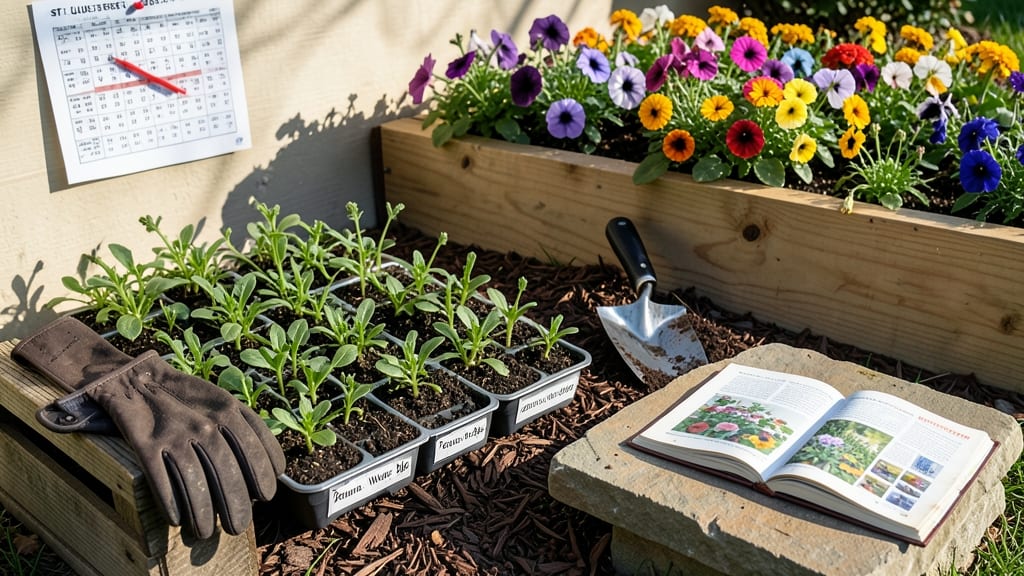
Planting flowers in St. Louis means timing your 🌸 blooms to beat frost and summer heat—aim for late April to early May for spring perennials and September to October for fall varieties.
St. Louis gardeners know timing is everything—plant too early, and frost will wipe out your blooms; too late, and summer heat arrives before flowers even sprout. Mastering the frost-free window in USDA Zone 6b ensures vibrant gardens from spring to fall.
Cool-season flowers like pansies and snapdragons can handle a light frost, while heat-lovers such as zinnias and salvias need warmer soil. Understanding these cues helps you avoid wasted effort and maximizes your garden’s potential.
Below, I’ll break down the exact frost dates, soil temperature tips, and a season-by-season planting schedule so your flowers thrive from the first bloom to the last frost.
St louis frost dates and ideal planting windows by flower type
St. Louis gardeners face a delicate balance between last frost dates and rising soil temperatures. The average last frost date hovers around April 15 to May 1, but microclimates—like urban heat islands or sheltered garden beds—can shift this by 1-2 weeks.
Understanding these windows ensures your annuals, perennials, and bulbs thrive without frost damage or heat stress.
In USDA Zone 6b, cool-season flowers like pansies and snapdragons can handle light frosts, while tender annuals (petunias, marigolds) need to wait until soil warms to 55°F.
Perennials like coneflowers and black-eyed Susans can be planted as early as late March if protected, but bulbs like tulips and daffodils prefer fall planting for spring blooms.
Key rule: Use soil thermometers to confirm readiness—50°F+ for most flowers. For container gardening, extend your season by 2-3 weeks with heat mats or row covers.
For St. Louis microclimates, adjust planting dates by observing local cues. Urban areas may warm 1-2 weeks earlier than rural zones, while low-lying spots can linger cooler. Test soil with a thermometer—most flowers need 60°F+ soil to thrive.
Pro tip: Succession planting works wonders. Start cool-season flowers in March, then transition to heat-lovers in late May. This keeps your garden blooming from spring to fall without gaps.
Bulbs like tulips and daffodils are exceptions—they need fall planting (September–October) to establish roots before winter. In Zone 6b, this ensures robust spring blooms without frost damage.
Container gardeners have an advantage: pots warm faster than ground soil. Use heat mats or plant heat-tolerant varieties (e.g., zinnias, salvias) 2 weeks earlier than in-ground flowers.
Remember: Mulch is your best friend in St. Louis. Apply 2–3 inches of mulch after planting to retain moisture and regulate soil temperature, especially during spring heatwaves or fall frosts.
By aligning your planting schedule with St. Louis frost dates and soil conditions, you’ll enjoy longer bloom seasons and healthier plants—no frost surprises or wilted disappointment. Happy gardening! 🌸
How to extend your St louis flower season with smart planting strategies
St. Louis gardeners face a unique challenge: short growing seasons with unpredictable late frosts and sweltering summers. The key to year-round blooms? Strategic planting that outsmarts Mother Nature. By blending cold-hardy annuals with heat-tolerant perennials, you can enjoy flowers from March through October—or even longer with containers!
My secret weapon? Succession planting—staggering plantings every 2-3 weeks to ensure continuous blooms. For example, pansies thrive in cool spring while zinnias take over in summer heat. Even container gardens let you adjust timing based on frost warnings, giving you flexibility when ground planting fails.
🌱 Early Bloomers vs. Late Bloomers
Early Bloomers (Plant March-April)
- Pansies: Cold-hardy to 20°F, blooms March-May
- Snapdragons: Thrives in cool weather, 45-65°F ideal
- Sweet Alyssum: Fast-growing, 30 days to bloom
Late Bloomers (Plant May-June)
- Zinnias: Heat-loving, 90°F+ thrives, 60 days to bloom
- Salvias: Drought-tolerant, hummingbird favorite
- Sunflowers: Fast growers, 6-10 ft tall
🔥 Container Gardening Advantage
Move containers to protected spots during late frosts or heatwaves. Ideal for late starts (June plantings) like cosmos or marigolds.
Don't overlook perennial powerhouses like coneflowers and black-eyed Susans. These heat-tolerant stalwarts bloom from June through October with minimal care. Pair them with annual fillers like celosia or portulaca for nonstop color. Pro tip: Mulch heavily in early summer to keep roots cool during 90°F+ heatwaves.
For fall extensions, sow cold-hardy annuals like stocks or calendulas in mid-August. These frost-resistant beauties will reward you with October-November blooms when most gardens are bare. Just remember: Water deeply before the first 28°F frost to harden off plants.
My top 3 strategies for St. Louis success: 1) Plant cold-hardy annuals in March, 2) Succession plant heat lovers every 3 weeks, and 3) Use containers for flexibility. With this approach, I've turned my Zone 6b garden into a 10-month floral paradise—and you can too!
Start small with one container or one border section this season. The earlier you plant, the longer your blooms—and that means more cut flowers for your home or happy pollinators all season long. 🌸