
Flowers
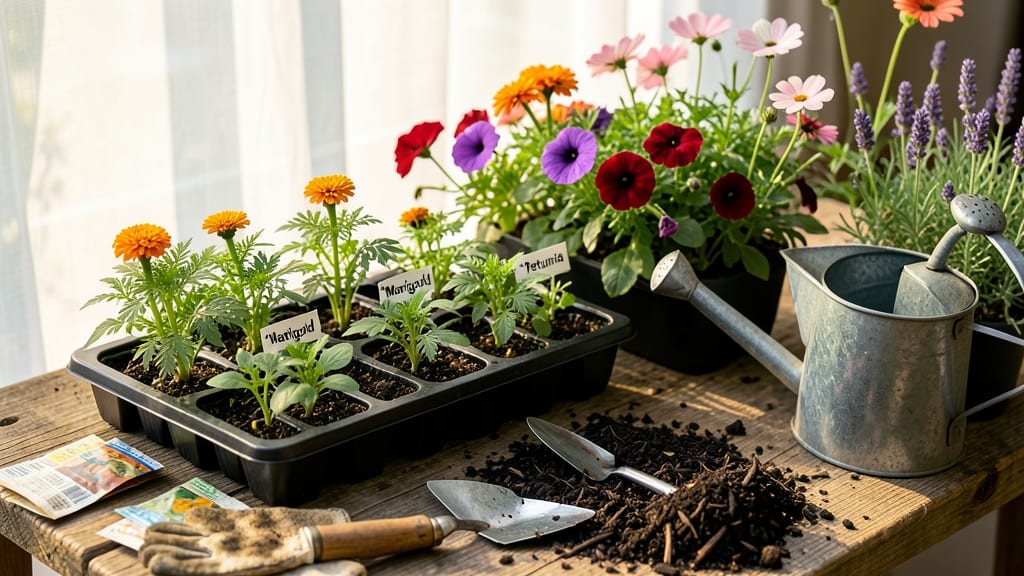
Planting flowers in Zone 8 at the right time ensures vibrant blooms from spring to summer 🌸 — aim for late winter to early spring, when soil temperatures rise above 50°F.
Timing your flower planting in Zone 8 can mean the difference between vibrant blooms and wilted disappointment—get it wrong, and you risk losing your investment before summer even arrives.
The key is knowing when to start seeds indoors, when to transplant seedlings, and how regional microclimates shift those dates by weeks.
Most Zone 8 gardeners plant annuals like marigolds and petunias after the last frost (around mid-March in many areas), while perennials like lavender and coneflowers thrive when planted in fall or early spring. Bulbs, on the other hand, need a 6-8 week head start before frost to establish strong roots.
In this guide, I’ll walk you through the exact planting windows for your region, soil prep tips to give your flowers a strong start, and how to extend your blooming season with staggered plantings.
By the end, you’ll know exactly when to plant for a garden that bursts with color all season long.
Zone 8 flower planting calendar: exact dates for annuals, perennials, and bulbs
Timing your flower planting in Zone 8 is all about reading your local microclimate—whether you're in Southern California, Texas Hill Country, or Georgia's Piedmont. The last frost date typically falls between December 15 and February 15, but coastal areas may see frost-free winters entirely.
For most of Zone 8, March 1 is your unofficial kickoff for warm-season flowers, while September 15 marks the perfect window for cool-season blooms.
Soil temperature is your secret weapon—most annuals and perennials need soil at 60°F or warmer to thrive. Bulbs, on the other hand, prefer cooler 50-60°F soil for fall planting.
Northern Zone 8 (like Atlanta) has shorter frost-free seasons, while Southern Zone 8 (like San Diego) can plant almost year-round with minimal frost risk.
Here’s your Zone 8 planting calendar broken down by flower type, with adjustments for regional variations:
| Flower Type | Planting Window | Soil Temp Threshold | Northern Zone 8 | Southern Zone 8 |
|---|---|---|---|---|
| Cool-Season Annuals (Pansies, Snapdragons) | September 15 – October 31 | 50–60°F | Plant by October 15 (frost risk) | Plant by November 1 (minimal frost) |
| Warm-Season Annuals (Marigolds, Zinnias) | March 1 – April 15 | 60°F+ | Wait until April 1 (soil warms slower) | Plant by February 15 (warmer soils) |
| Perennials (Daylilies, Coneflowers) | September 1 – November 15 | 55–65°F | Plant by October 31 (establish roots before winter) | Plant by November 30 (longer growing season) |
| Spring-Blooming Bulbs (Tulips, Daffodils) | October 1 – November 15 | 50–60°F | Plant by November 1 (avoid frost) | Plant by December 1 (milder winters) |
| Fall-Blooming Bulbs (Crocus, Fall Dahlias) | August 15 – September 30 | 60–70°F | Plant by September 15 (heat stress risk) | Plant by October 1 (cooler soils) |
For Northern Zone 8 (e.g., Atlanta, GA), prioritize fall planting to give roots time to establish before winter.
In Southern Zone 8 (e.g., San Diego, CA), you can stretch planting into early winter for cool-season flowers, but avoid planting in summer heat—soil temps above 80°F can scorch seeds and bulbs.
Pro tip: Use mulch after planting to regulate soil temperature. For annuals, a 2–3 inch layer of straw keeps roots cool in summer and warm in winter. For bulbs, opt for pine needles to prevent rot during wet winters.
Adjust your timeline based on microclimates. Urban areas with heat islands (like Houston, TX) may need to plant 2 weeks earlier than rural zones. Coastal regions (e.g., Santa Barbara, CA) can plant 1–2 months later thanks to milder winters.
If you’re unsure about your last frost date, check your local Cooperative Extension Service or use a frost calendar app. For example, Dallas, TX averages its last frost on March 1, while Savannah, GA sees frost as late as February 15.
These nuances can save your tender annuals from a surprise freeze.
For container gardening in Zone 8, you have more flexibility—just ensure pots are 3–4 inches deeper than root balls and use well-draining soil. Move containers indoors or to a garage if nighttime temps drop below 40°F.
Remember: The key to Zone 8 success is staggered planting. Start with cool-season flowers in fall, then transition to warm-season blooms in spring
How to extend your flower season in Zone 8: staggered planting and succession tips
Zone 8 gardeners have a secret weapon: longer growing seasons that can stretch blooms from early spring through late fall. The trick? Staggered planting and succession planting to keep your garden vibrant year-round.
I’ve learned that planting cool-season flowers in fall and warm-season varieties in early spring creates a seamless transition of color—no bare patches or disappointing gaps!
Let’s start with cool-season flowers like pansies and snapdragons, which thrive in Zone 8’s mild winters. Plant these 8-10 weeks before your last frost date (typically late October to early November) for early spring blooms.
Meanwhile, warm-season favorites like marigolds and cosmos should go in late February to early March, just as the soil warms up.
🌱 Numbered Highlights: Zone 8 Planting Timeline
- Late October: Plant pansies and calendulas for winter/spring color.
- November: Sow snapdragons and stock for early blooms.
- February: Start marigolds and zinnia indoors for transplanting.
- March: Direct-sow cosmos and sunflowers after last frost.
- April-June: Succession plant bachelor’s buttons every 2 weeks for continuous blooms.
- July-August: Add fall-blooming perennials like black-eyed Susans.
For continuous blooms, I swear by succession planting. Instead of sowing all your bachelor’s buttons at once, plant half in March, another third in April, and the last batch in May.
This ensures fresh flowers every 3-4 weeks without gaps. Marigolds are another great candidate—plant a new row every 2 weeks from April to June for nonstop color and pest control!
Don’t forget fall planting! While many gardeners focus on spring, cosmos and sunflowers self-seed beautifully if left to drop seeds in late summer. Let them reseed naturally, and you’ll have volunteer plants popping up in spring.
For a guaranteed show, direct-sow cosmos in late August for fall blooms that last until frost.
Pro tip: Use mulch to protect cool-season flowers from temperature swings. A 2-inch layer of straw keeps roots warm in winter and cool in summer, extending the life of your plants.
Pair this with drip irrigation to water deeply but infrequently—most flowers in Zone 8 prefer deep soaks over frequent shallow watering.
With these strategies, your garden will look like a blooming paradise from January through November—no sad, wilted patches in sight! The key is planning ahead and staggering your plantings so one variety fades just as another takes over. Happy planting! 🌷