
Plants
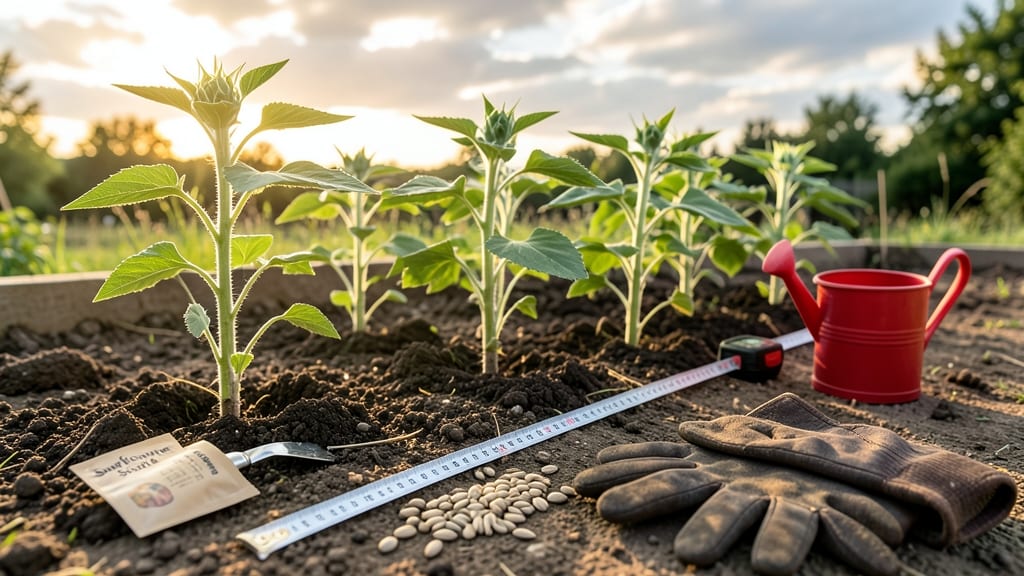
Planting sunflower seeds in Georgia means timing them right to avoid frost damage and maximize those towering 🌻 blooms before summer heat sets in.
If you’ve ever watched your seedlings wilt under a late spring frost or seen sunflowers bolt in July’s scorching heat, you know the stakes are high. Georgia’s 7a-8b zones demand precision—too early, and frost zaps your starts; too late, and you miss peak flowering by August.
This guide cuts through the guesswork with exact planting windows for North, Central, and South Georgia, plus the heat-tolerant varieties that thrive in your climate. No more lost seasons—just sunflowers that reach their full potential.
You’ll learn the frost-free deadlines by region, how to prep soil for Georgia’s humidity, and which sunflower types hold up best in 100°F+ summers. Ready to grow sunflowers that stand tall all season?
Georgia’s frost-free planting windows for sunflowers by region
Georgia’s diverse climate—from mountainous North Georgia to humid South Georgia—means your sunflower planting timeline depends heavily on your region. Last-frost dates vary by 500 miles, creating critical windows for success.
Miss them, and you’ll either lose young seedlings to frost or watch your blooms wilt in summer’s peak heat.
Sunflowers thrive in Georgia’s USDA Zones 7a–8b, but their heat tolerance and frost sensitivity demand precision. Spring planting starts as early as mid-March in South Georgia, while North Georgia gardeners must wait until mid-April to avoid frost damage.
Summer replanting is also key—late July to early August ensures fall blooms before frost.
| Region | Last Frost Date | Spring Planting Window | Summer Replanting Window | Heat-Tolerant Varieties |
|---|---|---|---|---|
| North Georgia (e.g., Blue Ridge) | Mid-April | April 15 – May 15 | July 20 – August 5 | ‘Moulin Rouge’, ‘Autumn Beauty’ |
| Central Georgia (e.g., Atlanta) | March 25 | March 30 – June 1 | July 10 – July 31 | ‘Russian Giant’, ‘Teddy Bear’ |
| South Georgia (e.g., Savannah) | March 15 | March 1 – May 31 | July 1 – August 10 | ‘ProCut’, ‘Evening Sun’ |
In North Georgia, where elevations exceed 2,000 feet, frost lingers longer. Plant ‘Moulin Rouge’—a heat-tolerant variety with red-striped blooms—after April 15 to avoid 32°F damage. This variety also handles 90°F+ temperatures better than standard types, making it ideal for highland gardens.
Central Georgia’s Atlanta area offers the longest growing season. Start seeds indoors in late February for transplanting by March 30, or direct-sow until June 1. ‘Russian Giant’, a 12-foot monster, thrives here but needs staking in windy conditions.
For containers, ‘Teddy Bear’ (3–4 feet tall) is perfect for patios.
South Georgia’s coastal climate extends the season further. Plant ‘ProCut’—a cut-flower favorite—as early as March 1 for summer-long blooms. This variety tolerates humidity and sandy soil, common in areas like Savannah.
Avoid planting after August 10, or blooms may arrive too late for fall festivals.
All regions benefit from summer replanting. After your first harvest in late summer, sow ‘Evening Sun’ (a dwarf variety) in July for fall color. This heat-resistant type blooms in 70 days, ensuring September–October flowers before frost.
Pro tip: Use row covers in North Georgia to extend your spring window by 2–3 weeks. Remove covers once soil warms to 60°F to prevent overheating. In South Georgia, prioritize drainage—sunflowers hate waterlogged soil, even in humid climates.
Monitor your local Almanac frost dates and adjust for microclimates. A south-facing slope in North Georgia may warm 5–10°F faster than a valley garden, giving you an earlier start. Use this advantage to beat the frost and maximize blooms.
For container growers, start seeds indoors 4–6 weeks before your region’s last frost. Dwarf varieties like ‘Sunspot’ (2 feet tall) thrive in 5-gallon pots and can be moved to balconies or decks after frost risk passes.
Remember: Sunflowers need sunlight—at least 6–8 hours daily. In shady spots, growth slows, and stems weaken. Choose south-facing beds or supplement with grow lights for indoor starts.
Heat-tolerant sunflower varieties that thrive in Georgia’s climate
Georgia’s scorching summers and high humidity can challenge sunflower growers, but the right varieties will thrive in USDA Zones 7a-8b. I’ve selected five top-performing sunflowers that handle heat, drought, and humidity while delivering stunning blooms or nutritious seeds.
Whether you want tall cut flowers, compact container plants, or bird-friendly oilseeds, these varieties won’t disappoint.
For maximum heat tolerance, prioritize varieties with deep taproots and drought-resistant foliage. The Mammoth series and Autumn Beauty are classic choices, but newer hybrids like ProCut and Russian Giant offer even better disease resistance. These varieties also bloom later in the season, avoiding Georgia’s early fall frosts.
Here’s a quick comparison of their pros and cons to help you choose the best fit for your garden:
🌻 Top 5 Heat-Tolerant Sunflower Varieties
👍 Pros:
- 🌡️ Extreme heat tolerance (up to 100°F)
- 🌻 Giant blooms (12–16" diameter)
- 🐦 Bird-friendly seeds for feeders
❌ Cons:
- 🌱 Slow germination (10–14 days)
- 🪴 Needs staking in windy areas
👍 Pros:
- 🌈 Multi-colored petals (great for cut flowers)
- 🌡️ Blooms late (avoids early frost)
- 🌿 Disease-resistant foliage
❌ Cons:
- 📏 Shorter stems (4–5 ft tall)
- 💧 Needs consistent watering in drought
👍 Pros:
- ✂️ Long vase life (10–14 days)
- 🌡️ Heat-resistant stems (won’t wilt)
- 🌱 Fast-growing (60–70 days to bloom)
❌ Cons:
- 💰 More expensive seeds
- 🌿 Less bird-friendly (smaller seeds)
👍 Pros:
- 🪴 Dwarf variety (3–4 ft tall)
- 🏡 Perfect for containers (patio/balcony)
- 🌡️ Thrives in heat (minimal wilting)
❌ Cons:
- 🌻 Smaller blooms (6–8" diameter)
- 💧 Needs frequent watering in pots
👍 Pros:
- 🌿 Compact bush habit (2–3 ft wide)
- 🐦 High oil content (great for birds)
- 🌡️ Drought-tolerant once established
❌ Cons:
- 📏 Shorter stems