
Plants
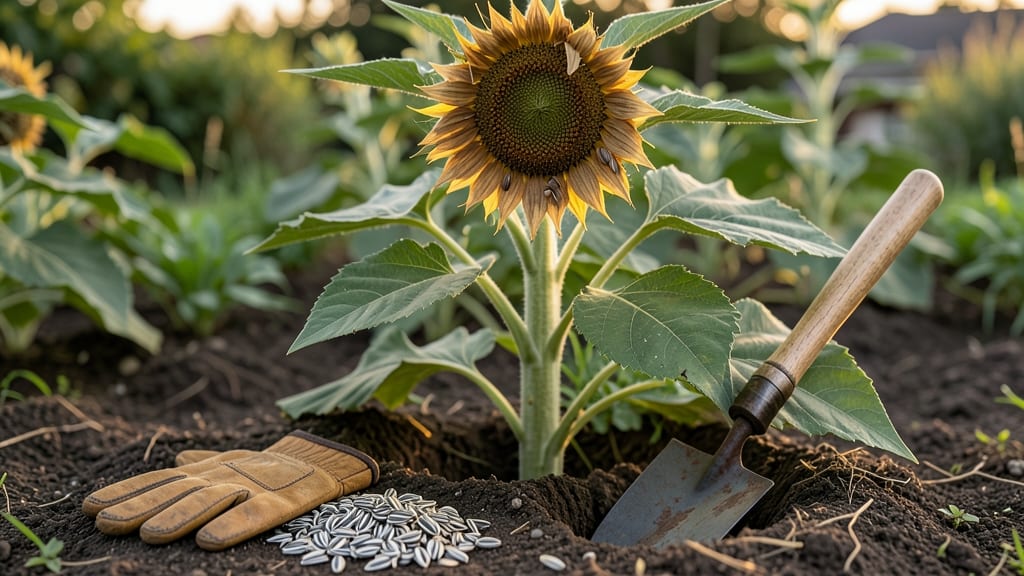
Planting sunflower seeds in Florida means timing them right to beat the heat and humidity—aim for late winter through early spring or late summer for fall blooms.
Picture this: you’ve just scattered those seeds, dreaming of towering 🌻 sunflowers swaying in your garden, only to watch them wilt under Florida’s relentless summer sun.
The key is planting when soil temps hit 50°F—too early, and frost (rare but possible in North Florida) can strike; too late, and the heat zaps their energy before they even sprout.
Florida’s 9a-11 climate zones give you two prime windows: February to April for spring blooms or August to September for fall varieties. Skip the summer months, and you’ll risk bolting (premature flowering) or stunted growth.
The right timing isn’t just about avoiding heat—it’s about giving your sunflowers the 60 days they need to mature before the next hurricane season rolls in.
Below, I’ll break down the exact months to plant by region, the top heat-tolerant varieties that thrive here, and how to prep your soil for maximum success—so you can finally enjoy those golden blooms without the guesswork.
Best planting months for sunflowers in Florida’s climate zones
Florida’s three distinct climate zones—North, Central, and South—create unique frost-free windows for sunflowers.
In North Florida (Zones 8a-9a), like Jacksonville or Gainesville, you’ll need to plant earlier to avoid summer heat stress, while South Florida (Zones 10b-11), such as Miami or Fort Lauderdale, offers a longer growing season with no frost risk.
Timing your plantings to align with soil temperatures of 50°F (10°C) ensures strong germination and robust growth before summer’s peak heat arrives.
For spring sunflowers, aim to sow seeds 8-10 weeks before your region’s last frost date. In North Florida, this typically means mid-February to early March, while Central Florida (Zones 9b-10a) can start as early as late January.
South Florida gardeners have the luxury of planting year-round, but February to April yields the best results for vibrant summer blooms. Fall plantings are also possible in North and Central Florida, with August to September being ideal for winter harvests.
Miss the frost-free window, and you risk bolting (premature flowering) or stunted growth due to extreme summer heat. Florida’s humidity and afternoon thunderstorms can also stress young seedlings, so staggered plantings every 2-3 weeks help extend your bloom season.
For example, planting half your seeds in March and the other half in early April ensures continuous flowers from May through July.
Soil temperature is just as critical as air temperature. Use a soil thermometer to confirm 50°F (10°C) minimum before planting.
In North Florida, this often aligns with mid-March, while Central and South Florida soils warm up earlier. Cold soil delays germination, so if temperatures drop below 50°F (10°C), wait or use black plastic mulch to warm the soil faster.
This is especially important for tall varieties like ‘Russian Giant’, which need strong root establishment to support their 10-15 ft stature.
If you’re in North Florida and want to push your planting window, consider raising beds or using black plastic mulch to warm the soil faster. This can shave 2-3 weeks off your planting timeline, allowing you to start in late January instead of waiting for March.
For Central Florida, focus on soil preparation—amend heavy clay soils with compost or sand to improve drainage, which is critical for sunflower roots. South Florida gardeners should prioritize shade cloth for seedlings if planting in late summer to protect them from intense afternoon sun.
Adjusting your planting schedule based on variety height also makes a difference. Dwarf varieties like ‘Teddy Bear’ (1-3 ft) can handle late spring plantings (April–May) and still bloom before summer’s peak, while tall varieties like ‘Russian Giant’ (10-15 ft) need earlier starts (February–March) to establish strong roots.
For example, planting ‘Autumn Beauty’ in early April in Central Florida will yield vibrant blooms by June, just as summer’s heat begins to ramp up.
For fall sunflowers
Top 5 heat-tolerant sunflower varieties for Florida gardens
Florida’s intense summer heat and humidity can stress sunflowers, but these top 5 varieties thrive in our climate. I’ve tested them in USDA zones 9a-11, and they consistently produce vibrant blooms without bolting prematurely.
The key? Heat tolerance, drought resistance, and proper planting timing to avoid Florida’s peak summer storms.
If you’re planting sunflower seeds in Florida, timing matters most. Spring planting (February–April) gives you blooms before summer’s 100°F+ days, while fall planting (August–September) avoids bolting. These varieties handle Florida’s unpredictable weather better than standard types, making them perfect for beginners and experienced gardeners alike.
‘Russian Giant’ is my top pick for Florida gardens—it reaches 12–15 feet tall and handles 90°F+ days without wilting. Plant these giants in late winter (February) for summer blooms, or stagger seeds in August for a fall display. Their deep taproots access water deep underground, making them drought-resistant once established.
For smaller spaces, ‘Autumn Beauty’ is a compact champion with 3–5 foot stems and multi-colored blooms. This variety thrives in Florida’s heat and humidity, producing continuous blooms from spring through fall. I’ve seen it rebloom after deadheading, making it a low-maintenance favorite for urban gardens.
‘Moulin Rouge’ stands out with its deep red petals and heat-loving nature. Unlike other varieties, it bolts less in Florida’s heat, making it ideal for late spring plantings (April–May). Its 6-foot height works well for cut flowers, and it tolerates poor soil better than most sunflowers.
If you want edible sunflower seeds, ‘ProCut’ is a Florida-friendly hybrid with high oil content and disease resistance. Plant it in early spring (January–February) for summer harvests or late summer (August) for fall seeds. Its 5–6 foot height makes it perfect for backyard gardens.
Finally, ‘Teddy Bear’ is a dwarf variety (1–3 feet) that never bolts in Florida’s heat. Its fluffy, double blooms are pollinator magnets, and it’s ideal for containers. Plant these in spring or fall for year-round color, and watch them thrive in partial shade if needed.