
Plants
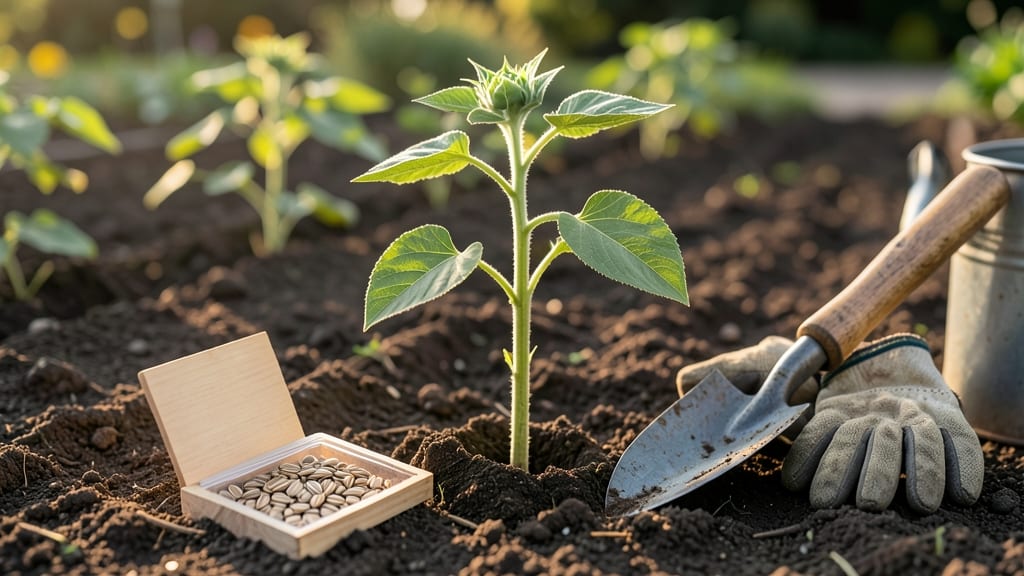
To plant sunflower seeds in NZ, aim for late spring to early autumn—September to March—when soil temperatures hit 10-15°C and frost risk fades.
Sunflowers 🌻 thrive in New Zealand’s climate—but planting them at the wrong time can mean slow growth, stunted blooms, or even failure. Discover the exact warmth-triggered windows for planting sunflower seeds in NZ to ensure fast germination and towering, vibrant flowers.
In warmer regions like Northland, you can start as early as August, while cooler areas like Canterbury should wait until October to avoid frost damage. Soil temperature is the key—cold soil delays germination, so test it before planting.
Below, I break down the best months by NZ region, soil prep tips, and how to extend your growing season with microclimate hacks—so you get those fast, happy sunflowers every time.
Best months to plant sunflower seeds in NZ based on soil temperature
Sunflowers love warmth, and in New Zealand, soil temperature is the key factor for successful germination. Seeds need 10-15°C soil temps to sprout, which means timing varies dramatically between the North Island and South Island.
In warmer regions like Auckland, you can start as early as late August, while cooler areas like Canterbury should wait until mid-October.
For warmth-dependent varieties like Mammoth and Teddy Bear sunflowers, planting too early in cold soils risks rot or failure. These giants need consistent warmth to reach their full 3-12 ft potential.
Always check your local last frost date—Northland gardeners can plant by September 15, while Otago may need to wait until November 1.
Soil temperature is more critical than air temperature. Use a soil thermometer (or your finger—if it feels cool to the touch, wait). In NZ’s maritime climate, even sunny days can have chilly soils, especially in morning hours. This is why afternoon planting often works better in cooler regions.
Here’s how NZ’s regional differences affect your planting schedule:
In the North Island, where summers are long and warm, you can even plant a second crop in November for late-season blooms. However, avoid planting after mid-January—sunflowers need at least 70 days to mature, and NZ’s shorter autumn days can cut growth time short.
For South Island gardeners, container growing is a game-changer. Pots warm up faster than garden soil, letting you plant 2-3 weeks earlier in regions like Canterbury. Just ensure containers have drainage holes to prevent waterlogged roots, which sunflowers hate.
Frost is the silent killer of young sunflowers. Even after germination, seedlings can’t handle below 5°C temperatures. Use frost cloths or plant near heat-retaining structures like brick walls if late frosts are forecast.
In Otago, I’ve seen gardeners use black plastic mulch to raise soil temps by 3-5°C—worth the effort for those towering Mammoth varieties!
Pro tip: If you’re unsure about your soil’s warmth, do a quick test. Bury a thermometer at 5cm depth for 24 hours. If it reads below 10°C, wait another week. Patience now means vibrant blooms later—not just sad, stunted stems.
Remember, sunflowers are fast growers once established, but they start slow. Give them the warmth they crave, and you’ll be rewarded with sun-kissed faces
How to use NZ’s microclimates to extend your sunflower growing season
New Zealand’s diverse microclimates can be your secret weapon for growing sunflowers in cooler regions like Canterbury or Otago. By leveraging these localized conditions, you can push your growing season earlier or later than standard planting windows.
The key is understanding how warmth pockets near buildings, slopes, or water bodies can create ideal conditions for sunflower germination and growth.
For gardeners in high-altitude areas or frost-prone zones, microclimates offer a chance to stagger plantings and ensure at least one batch of sunflowers reaches maturity.
For example, a sunny north-facing slope might warm up enough in August to support early planting, while a sheltered garden nook could extend the season into March.
⚠️ callout-warning
⚠️ Don’t Plant Too Early in Cold Soils!
Sunflower seeds need soil temperatures of 10-15°C to germinate properly. Planting in cold soils (below 10°C) can lead to rot or slow germination, wasting your seeds. Test soil warmth by pressing a thermometer 5cm deep—if it’s cooler than 10°C, wait at least 1-2 weeks or use heat mats or cloches.
In Canterbury or Otago, this often means delaying until mid-October rather than planting in September. Always check your local frost dates—last frost in Dunedin can be as late as mid-October!
One of the most effective strategies is using raised beds, which warm up faster than in-ground soil. Fill them with compost-rich mix to retain heat and plant your sunflower seeds 2-3 weeks earlier than your usual schedule.
This is especially helpful in cooler regions where ground frost lingers. For example, in Wellington, raised beds can sometimes support sunflower planting by late September, while in-ground soil may not be ready until October.
Another clever trick is using cloches or row covers to create a mini greenhouse effect. These protect young seedlings from late frosts and chilly winds while accelerating soil warming. Place cloches over newly sown seeds in September to give them a head start.
Remove them once seedlings are 5cm tall and the risk of frost has passed. This method works wonders in high-altitude gardens like those in Queenstown or Timaru.
For a longer blooming season, try staggered planting. Instead of sowing all your seeds at once, plant a few batches 2-3 weeks apart. This ensures a continuous display of sunflowers from November through to February.
In Canterbury, for example, you could plant one batch in mid-October, another in late October, and a final batch in early November to extend your harvest window.
Finally, avoid common mistakes like planting sunflowers too close to shade trees or in low-lying areas where cold air settles. Instead, choose south-facing slopes or spots near heat-retaining walls. With these microclimate strategies, you’ll maximize your sunflower’s potential—even in NZ’s cooler corners! 🌻