
Flowers
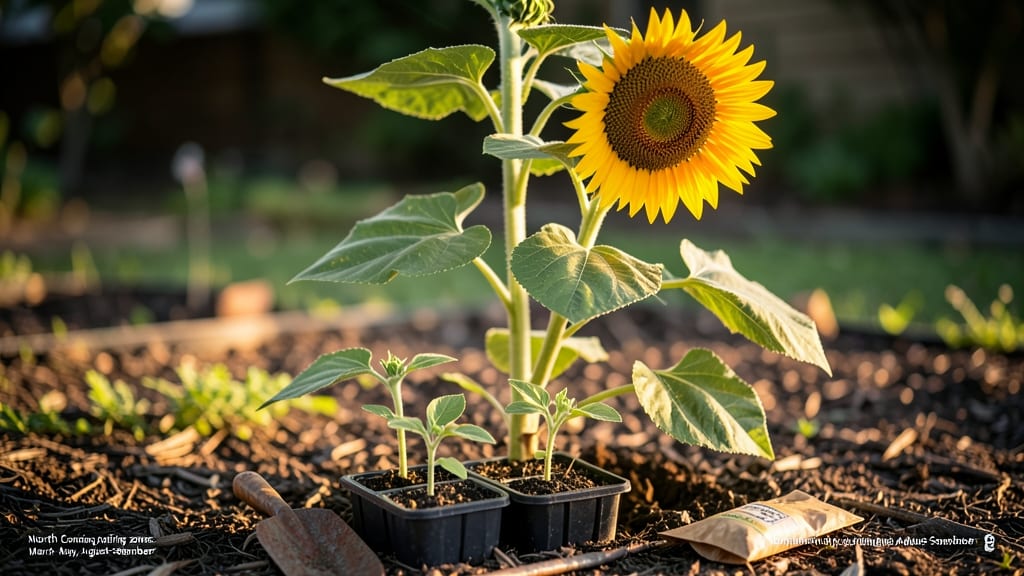
To plant sunflowers in North Carolina at the right time means starting 4-6 weeks after your last frost date—typically mid-April to mid-June for most zones.
Picture this: you’ve prepped the soil, your seeds are ready, but you wait too long, and a late frost nips those tender sprouts. Or you plant too early, and the heat arrives before the blooms even open.
Timing is everything, and getting it wrong can mean the difference between a 10-foot tower of golden sunshine and a sad, stunted plant.
North Carolina’s climate varies wildly from the Coastal Plain to the Mountains, so your exact window depends on your USDA zone (6b-8a). Inland areas like the Piedmont can start earlier, while coastal regions may need to wait until late April or even May to avoid frost surprises.
Below, I’ll break down the ideal soil temperatures, frost-free deadlines by zone, and even how to adjust for late-summer replanting—so you can grow sunflowers that reach their full, towering potential.
North Carolina sunflower planting timeline by hardiness Zone (soil temps & frost dates)
North Carolina’s diverse climate—from the cool mountain zones of the west to the humid coastal plains—means sunflowers need precise timing to thrive. The key factors are soil temperature (ideal: 55-60°F) and frost-free deadlines, which vary by USDA zones 5-8.
Plant too early, and seedlings risk frost damage; too late, and you’ll miss the 90-day flowering window for most varieties.
Most NC gardeners focus on spring planting (April–June), but late-summer replanting is possible for fast-maturing varieties. Below, I’ve broken down the exact windows for each zone, including soil warm-up tips and frost-avoidance strategies to maximize your sunflower’s potential.
For Zone 5 (mountain regions like Boone), wait until May 1 to plant, as cooler soils delay germination. Cover seeds with black plastic mulch 1–2 weeks before planting to warm the soil faster.
In Zone 8 (coastal areas), you can start as early as late February, but protect seedlings from salt spray if near the ocean.
Most sunflower varieties need 90–120 days to mature, so late-summer replanting works best for fast-maturing types like ‘Teddy Bear’ (50 days) or ‘Moulin Rouge’ (60 days). Aim to plant by August 1 in Zone 5 and by June 15 in Zone 8 to ensure blooms before frost.
If you’re in Zone 6 or 7, consider a two-part planting strategy: Start with early varieties in April for summer blooms, then replant mid-July for fall color. This extends your sunflower season by 3–4 months and attracts pollinators longer.
Always check your local frost dates (use the NC State Climate Office tool) and adjust by 2–3 weeks if your microclimate runs cooler (e.g., valleys) or warmer (e.g., urban heat islands). A 5°F temperature drop can stunt young sunflowers, so monitor forecasts closely.
For soil prep, sunflowers love well-draining, slightly acidic soil (pH 6.0–7.0). Mix in compost 2 weeks before planting to boost nutrients. Avoid over-fertilizing with nitrogen—it promotes leafy growth over flowers. Instead, use a balanced 10-10-10 fertilizer at planting and again when buds form.
🌻 Key Takeaway: Plant sunflowers in NC when soil hits 55–60°F and at least 2 weeks after your last frost date. Coastal zones get a head start, while mountain zones need patience. With the right timing, you’ll enjoy 10-foot-tall blooms from summer through fall!
How to adjust sunflower planting for North Carolina’s microclimates (heat, humidity & rainfall)
North Carolina’s diverse microclimates—from the humid Coastal Plain to the hotter Piedmont—mean your sunflower planting strategy should shift depending on where you garden. In the Coastal region, warmer winters and higher humidity demand earlier planting, while the Piedmont’s intense summer heat requires shade adjustments and extra water.
Let’s break down how to adapt your approach for each zone.
First, recognize that sunflowers thrive in full sun, but NC’s summer storms and afternoon humidity can stress seedlings. Coastal areas like Wilmington get more rainfall and higher humidity, while Piedmont cities like Raleigh experience hotter, drier conditions.
Both require tailored care to avoid blossom rot or stunted growth.
- 🌡️ Coastal NC (Zones 7b-8a): Plant 2-3 weeks earlier (late March) to escape summer storms.
- ☀️ Piedmont NC (Zones 6b-7a): Wait until mid-April for soil warmth; use shade cloth for seedlings.
- 💧 Watering Strategy: Morning watering only—avoid evening to prevent fungal diseases.
- 🌧️ Storm Protection: Stake tall varieties in Coastal areas; use row covers for seedlings.
- 🌿 Shade Tolerance: Piedmont sunflowers can handle 4-6 hours of partial shade; Coastal types need full sun.
For Coastal gardeners, focus on dwarf varieties like ‘Teddy Bear’ to avoid wind damage. These thrive in humid conditions but need well-draining soil to prevent root rot. In the Piedmont, opt for heat-tolerant types like ‘Autumn Beauty’ and mulch heavily to retain moisture during dry spells.
Adjust your watering schedule based on rainfall: Coastal areas may need less frequent watering due to natural moisture, while Piedmont gardens might require drip irrigation during heatwaves. Always water at the base of plants to avoid wetting leaves, which attracts pests like aphids.
Protect young seedlings from sudden storms common in Coastal NC by using lightweight row covers or planting near natural windbreaks like shrubs. In the Piedmont, watch for drought stress—sunflowers wilt quickly in 100°F+ heat, so mulch with straw to lock in moisture.
Finally, harvest seeds before first frost (earlier in Piedmont) to avoid spoilage. Coastal sunflowers often mature later, so plan to replant a second crop in June for extended blooms. With these adjustments, your sunflowers will flourish regardless of NC’s microclimate challenges! 🌻