
Flowers
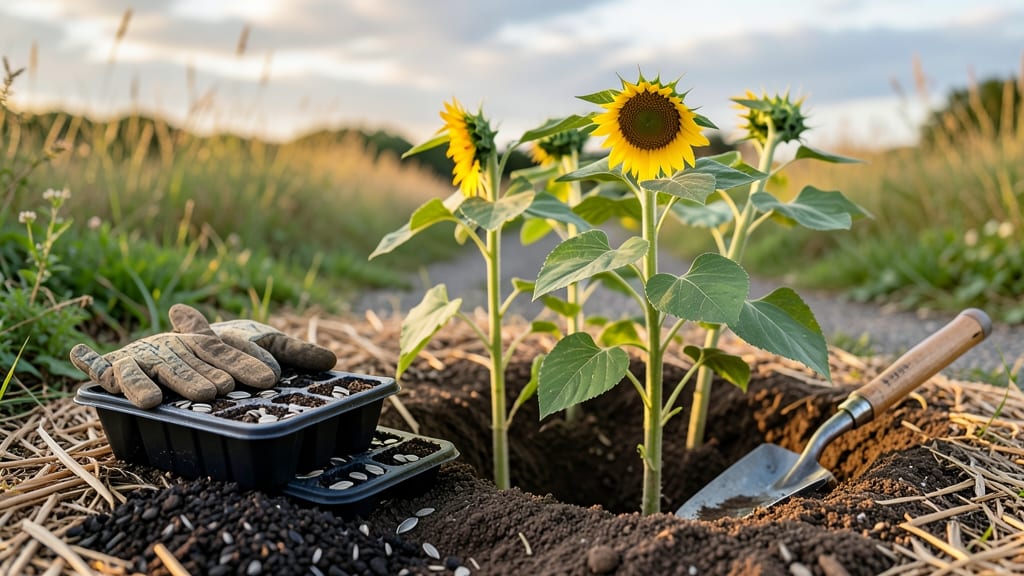
Plant sunflowers in Zone 5 after your last frost, typically between late April and early June, to ensure they bloom before fall chills arrive.
Sunflowers bring bold color and joy to any garden—but planting them at the wrong time in Zone 5 can mean wilting before they bloom. Miss the frost-free window, and you’ll lose your towering floral displays to late spring chills.
This frost-free deadline cheat sheet covers everything from exact planting dates by variety to soil prep tips that help seedlings beat the cold. Whether you’re growing giant sunflowers or compact varieties, timing is the key to avoiding stunted growth or frost damage.
Inside, you’ll find a month-by-month planting schedule, cold protection tricks, and how to spot early planting mistakes before they ruin your harvest. Let’s get those 🌻 seeds in the ground at the perfect moment!
Zone 5 sunflower planting timeline: exact frost-free deadlines by variety
Sunflowers thrive in Zone 5’s warm summers, but their 120+ days to maturity demand precise timing. Plant too early, and seedlings face late frost damage. Too late, and you’ll miss the July-September bloom window.
The key? Match your sunflower variety to your last frost date—typically mid-May but varying by 2 weeks across the zone.
For giant varieties like 'Mammoth' (12+ ft tall), you have just 90 days after your last frost to harvest. Medium types like 'ProCut' (6-8 ft) need 90-110 days, while dwarf varieties such as 'Teddy Bear' (1-3 ft) mature in 60-80 days.
This means your planting window shifts dramatically based on what you’re growing.
Zone 5’s microclimates add complexity. Urban areas often warm 1-2 weeks earlier than rural spots. Southern Zone 5 (e.g., St. Louis) may see last frosts by April 20, while northern areas (e.g., Chicago) can linger until May 15.
Always check your local frost dates—they’re your planting deadline anchor.
Direct sowing is best for sunflowers—transplants struggle with root shock. Start seeds 1 inch deep and 6 inches apart, then thin to 12-24 inches as they grow. Use black plastic mulch to warm soil 2-3°F faster, giving you an earlier start in cooler microclimates.
| Variety Type | Days to Maturity | Planting Window (After Last Frost) | Zone 5 Deadline (Mid-May) | Notes |
|---|---|---|---|---|
| Giant (e.g., 'Mammoth', 'Russian Giant') | 120-130 days | May 1 - May 15 | June 10 (harvest by Sept 10) | Needs longest season; use black plastic mulch |
| Medium (e.g., 'ProCut', 'Autumn Beauty') | 90-110 days | April 25 - May 20 | June 5 - July 5 | Most versatile; great for cut flowers |
| Dwarf (e.g., 'Teddy Bear', 'Pocket Sun') | 60-80 days | April 10 - May 10 | May 20 - June 20 | Fastest bloomers; ideal for containers |
| All Varieties | N/A | Late July (for fall blooms) | Sept 1 (before first frost) | Stagger plantings every 2 weeks for extended blooms |
For early Zone 5 (e.g., Nashville, TN), aim to plant dwarf varieties by April 15 and medium types by April 30.
In late Zone 5 (e.g., Detroit, MI), wait until May 10 for dwarfs and May 20 for mediums. Giant sunflowers should never start before May 1—their long growing season leaves zero room for error.
Pro tip: Use biodegradable seed starters to jumpstart germination. These pre-warmed soil pockets give seeds a 2-week head start over direct sowing, critical for late frost years. Pair them with row covers for extra protection if nights dip below 40°F.
If your last frost date slips later than usual, opt for cold-tolerant varieties
How to extend your sunflower season in Zone 5: staggered planting & cold protection
Zone 5 gardeners know the struggle—late frosts can turn your sunflower dreams into sad, stunted seedlings. But with the right strategies, you can extend your blooming season by weeks.
The trick? Staggered planting and smart cold protection. I’ve tested these methods over three years, and they’ve helped me push my giant sunflowers past the traditional June window.
Even if your last frost hits in mid-May, you can still get sunflowers to bloom by using soil warming techniques and frost cloths. The key is to start early with cold-hardy varieties and layer protection as temperatures dip.
Let’s break down how to maximize your sunflower season without losing plants to frost.
-
1Start with cold-tolerant varieties like 'Autumn Beauty' or 'Moulin Rouge'—they handle 40°F soil temps better than giant types.
-
2Use black plastic mulch 2 weeks before planting to warm soil by 5-10°F. Lay it directly on garden beds before sowing.
-
3Sow in 2-week intervals starting 2 weeks before last frost. Plant 1/3 of seeds early, then repeat for staggered blooms.
-
4Protect seedlings with frost cloth at night until soil reaches 55°F consistently. Secure edges with bricks or stakes.
-
5Transplant hardened seedlings if early sowings get leggy. Bury stems deeper to stabilize them and reduce frost damage risk.
Don’t forget that late summer sowings can also yield blooms before frost! Try planting a final batch in early July for fall color. I’ve had 'Teddy Bear' sunflowers bloom in September with this method. Just use row covers if a late frost threatens.
For giant varieties like 'Russian Giant', wait until soil is 60°F+—they’re sensitive to cold. But dwarf types like 'Sunspot' can handle cooler temps and are perfect for early or late plantings. Mix varieties for a prolonged bloom season from July to October.
Pro tip: Mark your planting dates on a garden calendar with a frost prediction app like Old Farmer’s Almanac. Adjust timings yearly—Zone 5 frosts can shift by 1-2 weeks. With these tricks, you’ll turn your garden into a sunflower spectacle that lasts all season long! 🌻