
Plants
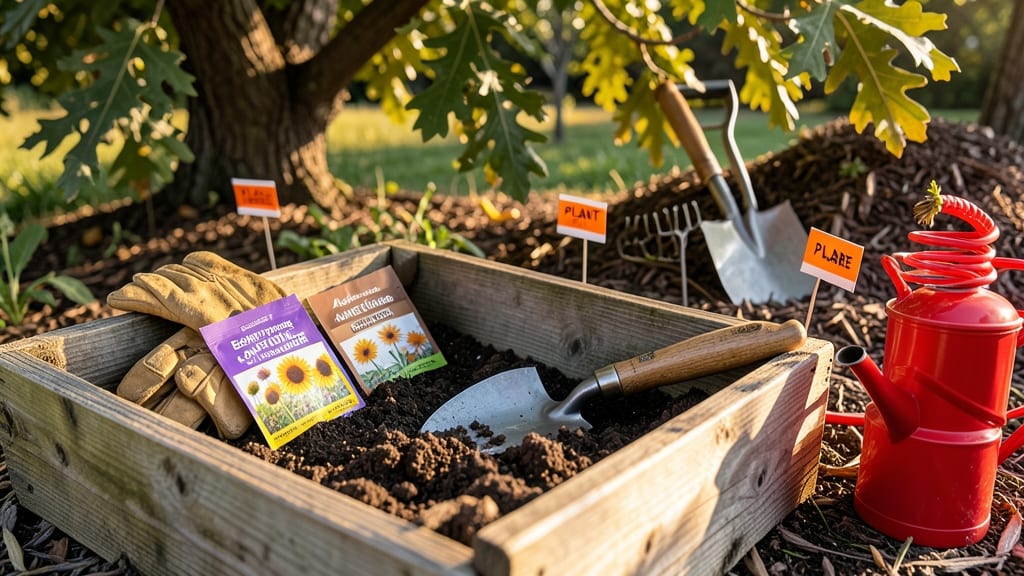
Planting wildflower seeds in New York at the right time ensures a burst of color from spring through fall, with minimal effort once established. 🌼
Picture this: you’ve prepped the soil, scattered your seeds, and watered them in—only to watch weeds take over because you planted too early. Or worse, your seeds never sprout because the ground was too cold.
For New York’s Zone 6B climate, timing is everything to avoid these common pitfalls and create a thriving meadow.
Most gardeners know spring is ideal, but fall planting—between late August and early September—often yields better results. This window lets seeds germinate in mild weather, giving them a head start before winter dormancy.
Meanwhile, early spring plantings (March to April) work well if you’re ready to tackle weeds early and keep the soil moist until germination.
In this guide, I’ll break down the best planting windows for your region, soil prep tips to outsmart weeds, and care strategies to keep your wildflowers blooming year after year—without the guesswork.
Optimal wildflower seed planting windows in New York Zone 6B
New York’s Zone 6B climate offers two prime windows for planting wildflower seeds: early spring and late summer/fall. Each season brings unique advantages, from avoiding summer heat stress to leveraging fall rains.
Understanding these windows—and how they differ between NYC’s urban microclimate and Upstate NY’s cooler regions—is key to success. For example, NYC’s last frost typically arrives by April 15, while Upstate areas like Buffalo may wait until May 1.
Timing isn’t just about frost dates—it’s also about soil temperature. Most wildflower seeds germinate best when soil reaches 50–60°F. In spring, this usually happens by mid-April in NYC but may lag until late April in Upstate areas.
Fall plantings benefit from cooler air and moist soil, making late August to early September ideal before the first hard frost (usually October 30 in NYC or earlier Upstate).
Here’s a quick reference for your planting schedule, tailored to New York’s regional differences:
| Planting Window | NYC Timing | Upstate NY Timing | Soil Temp Trigger | Key Consideration |
|---|---|---|---|---|
| Early Spring | Mid-March to April 15 | Late March to May 1 | 50–60°F | Avoid late frosts; prepare soil early |
| Late Summer/Fall | Late August to September 15 | Mid-August to October 1 | 40–50°F | Leverage fall rains; seeds establish before winter |
| Summer (Emergency) | June (shade-tolerant species only) | July (cooler Upstate areas) | 60–70°F | Risk of drought; keep soil moist |
For spring plantings, start by preparing your soil in late winter (February). Remove debris, loosen compacted areas, and mix in compost to improve drainage—a must in NYC’s clay-heavy soils.
If you’re planting in Upstate NY, where winters are colder, consider a light mulch in early spring to protect emerging seedlings from late frosts. In NYC, urban heat islands can create microclimates where soil warms faster, so monitor conditions closely.
Fall is my favorite time to plant wildflowers because the cooler temperatures reduce weed competition, and fall rains keep the soil consistently moist. Aim to plant 4–6 weeks before your first frost.
In NYC, this means starting by September 1, while Upstate gardeners can extend planting until October 1. Choose native species like black-eyed Susans or coneflowers, which thrive in New York’s climate and require minimal care once established.
If you miss both windows, don’t despair—summer plantings can work for shade-tolerant species like foxglove or columbine. However, summer heat increases the risk of drought stress, so water deeply 2–3 times per week until seedlings are established.
This approach is riskier but can yield beautiful results if you’re flexible. Just avoid planting in peak summer (July in NYC, June Upstate) unless you’re committed to extra care.
Pro tip: Use a seed starter mix if sowing early in cool spring soil. The mix retains warmth and moisture better than garden soil, giving seeds the boost they need. For large areas, consider a no-till drill to ensure even seed distribution and reduce weed pressure.
In NYC’s urban gardens, raised beds can also help if your soil is particularly compacted or contaminated.
Regardless of when you plant, always press seeds lightly into the soil—wildflowers need light to germinate, so avoid burying them deeply. A gentle rake or even your hands will do the trick.
After planting, label your areas to track progress, especially if you’re testing different species or mixes. This helps you refine your approach for next year’s year-round color.
Remember, wildflowers are resilient but not invincible. In Zone 6B, late frosts can still surprise us, so keep an eye on the National Weather Service for alerts. If a frost is forecasted after planting, cover seedlings with row fabric until temperatures rise.
With the right timing and a little patience, your New York garden will soon burst with vibrant blooms that attract pollinators and bring joy all season long.
Best wildflower seed mixes for New York’s climate and soil types
New York’s diverse soil types—from clay-heavy urban plots in NYC to loamy Upstate gardens—demand tailored wildflower mixes to thrive. The right blend ensures vibrant blooms while supporting local pollinators like bees and butterflies.
For example, Black-eyed Susans and Purple Coneflowers love well-draining soil, while Wild Bergamot thrives in clay with minimal fuss.
Your sun exposure also dictates success: full-sun mixes with Goldenrod and Coreopsis outshine shady spots, where Columbine and Virginia Bluebells take center stage. Native species like New England Aster (fall blooms) or Bloodroot (spring ephemerals) adapt effortlessly to local conditions.
🌱
🌱 Pros & Cons: Wildflower Seed Mixes for NYC vs. Upstate NY
🌿 NYC (Clay Soil)
- Pros: Drought-tolerant mixes (e.g., Yarrow, Bee Balm) handle urban heat.
- Cons: Slow germination in compacted clay; needs soil amendments.
🌾 Upstate (Loamy Soil)
- Pros: Faster growth for Black-eyed Susans and Milkweed.
- Cons: Weed competition higher in fertile soil; needs light hoeing.
☀️ Full Sun
- Best for: Goldenrod, Coreopsis (bold colors, pollinator magnets).
- Watch for: Overwatering (soil dries faster).
🌳 Partial Shade
- Best for: Columbine, Wild Geranium (delicate blooms).
- Watch for: Leggy growth without enough light.
For spring ephemerals, prioritize Bloodroot and Dutchman’s Breeches—they bloom early before trees leaf out, then fade into dormancy. These shade-tolerant gems pair well with Virginia Bluebells for a moisture-loving woodland edge.
In contrast, summer perennials like Purple Coneflower and Butterfly Weed demand full sun to prevent flopping stems.
Fall-blooming New England Asters and Smooth Asters provide late-season nectar for migrating pollinators, while Winter Aconite offers early winter interest with bright yellow blooms. Mix these with Ornamental Grasses (like Little Bluestem) for year-round texture and wildlife habitat.
Pro tip: Pre-mixed wildflower blends from local nurseries (e.g., American Meadows or Wildseed Farms) often include region-specific natives already adapted to New York’s humid summers and cold winters. Always check seed packets for % native species—aim for 70% or higher to maximize ecological benefits.
Start with a small test patch (10x10 feet) to gauge which mixes thrive in your microclimate. Rotate seed types yearly to prevent soil depletion and encourage biodiversity. Within 2–3 years, your garden will hum with pollinators and year-round color—with minimal upkeep! 🌻