
Plants
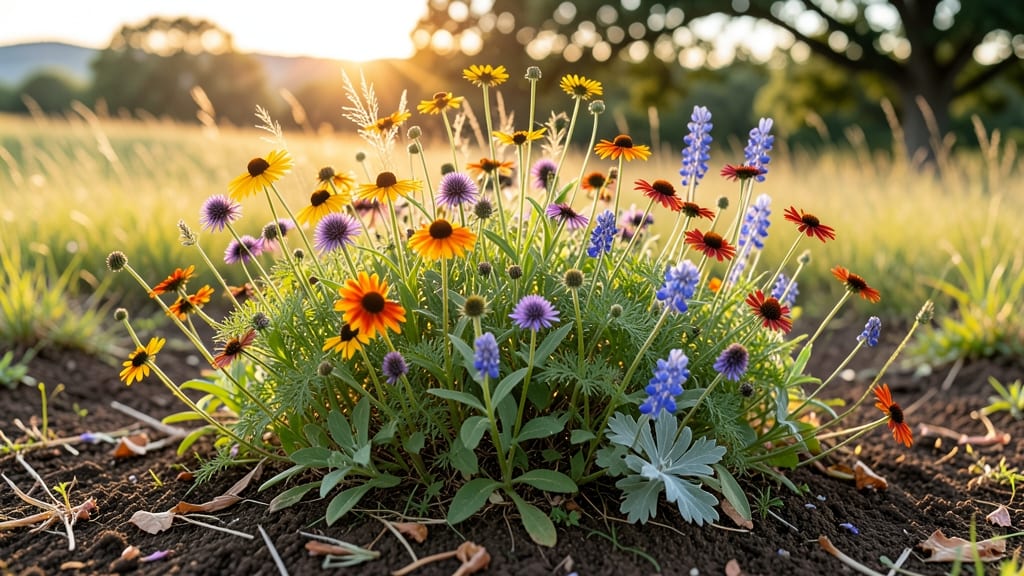
Planting wildflower seeds in Oklahoma at the right time means vibrant blooms from spring to fall 🌼 — and the best windows are late winter through early spring or late summer into fall.
Miss those timelines, and you’ll end up with patchy growth or flowers that never fully open. Oklahoma’s USDA Zone 6a-8a climate means frost dates shift from north to south, so knowing your exact microclimate is key.
Below, I’ll break down the ideal planting months for your region, soil prep tips to help seeds take hold, and the top native wildflower mixes that thrive without extra fuss.
Whether you’re seeding a meadow, a pollinator garden, or just a sunny corner, these steps will give you year-round color with minimal effort.
Best planting windows for Oklahoma wildflowers by season
Oklahoma’s wildflowers thrive when planted at the right time, but knowing when to plant wildflower seeds in Oklahoma depends on your region and climate zone. Most native species prefer cool-season planting in early spring or late summer, but timing varies between Oklahoma City (Zone 7b) and Tulsa (Zone 7a).
For example, northern Oklahoma’s cooler springs call for earlier seeding than southern Oklahoma’s warmer microclimates.
Spring planting is ideal for most wildflowers because it aligns with Oklahoma’s last frost dates (typically mid-March in Zone 7b). However, fall planting in September-October gives seeds time to germinate before winter dormancy.
Summer planting is risky due to heat stress, but some drought-tolerant species like Indian Blanket can handle late summer sowing.
| Season | Best Planting Months | Oklahoma City (Zone 7b) | Tulsa (Zone 7a) | Notes |
|---|---|---|---|---|
| Spring | March–April | Early March (after frost) | Late February–March | Best for Bluebonnets and Black-eyed Susans. |
| Summer | August–September | Late August | Early September | Ideal for drought-tolerant species like Mexican Feathergrass. |
| Fall | September–October | Early October | Mid-September | Seeds germinate before first frost. |
| Winter | January–February | February (if mild) | January–February | Risky due to freezing temps; only for hardy species. |
For Oklahoma City gardens, aim for March–April planting to avoid late frosts, while Tulsa’s slightly warmer climate allows for earlier spring seeding in late February.
In both regions, late summer planting in August–September is perfect for species like Coreopsis and Gaillardia, which thrive in Oklahoma’s hot, dry summers.
If you’re planting in northern Oklahoma (e.g., Stillwater), delay spring planting until after April 1st to ensure soil temperatures are above 50°F. In contrast, southern Oklahoma (e.g., Lawton) can start as early as February 15th for faster germination. Always check local frost dates to adjust timing.
Native wildflowers like Indian Paintbrush and Purple Coneflower benefit from fall planting because cooler temperatures reduce seedling stress. For these species, September–October is ideal—seeds germinate in fall, establish roots, and bloom vigorously the following spring. Avoid planting in November, as first frosts can kill tender seedlings.
Winter planting is not recommended for most wildflowers, but hardy perennials like Yarrow can tolerate January–February sowing if soil isn’t frozen. Always test soil moisture before planting—dry winter winds can desiccate seeds. For best results, water lightly after sowing to encourage germination once spring arrives.
Adjust your planting window based on microclimates in your yard. South-facing slopes warm up faster in spring, while low-lying areas may stay cooler longer. If your garden has partial shade, opt for shade-tolerant species like Wild Bergamot and plant in early spring to avoid summer heat stress.
Pro tip: Mix annuals (like Cosmos) with perennials (like Black-eyed Susan) for year-round color. Annuals planted in late spring will bloom all summer, while perennials established in fall will return for years. This layered approach ensures continuous pollinator support from March to November.
Finally, remember that Oklahoma’s unpredictable weather means flexibility is key. If spring rains
How to prepare Oklahoma soil for wildflower success
Oklahoma’s soil can be a double-edged sword for wildflowers—too much clay in northern regions or sandy soil in the south can stunt growth if not amended properly. The key to success lies in creating a loose, well-draining bed that mimics the natural conditions where native wildflowers thrive.
Start by clearing the area of existing weeds and debris, which compete with your seeds for nutrients and water.
Use a broadfork or tiller to loosen the top 6-8 inches of soil, breaking up compacted layers without disturbing deeper roots. This step is especially critical in clay-heavy soils like those found in Oklahoma City, where water can pool and suffocate seeds.
For sandy soils common in western Oklahoma, focus on adding organic matter to improve water retention.
Test your soil’s pH level using a simple test kit—most Oklahoma wildflowers prefer a slightly acidic to neutral range (6.0-7.0). If your soil is too alkaline, mix in sulfur or peat moss to lower the pH gradually.
Native species like Black-eyed Susans and Indian Blankets adapt well to Oklahoma’s natural pH, but non-native mixes may need adjustments.
Don’t prep soil more than 2-3 weeks before planting—Oklahoma’s unpredictable spring rains can wash away loose soil or cause erosion. For fall planting (August-September), amend soil 4-6 weeks ahead to allow organic matter to integrate. Clay soils need extra time to break down, while sandy soils benefit from immediate compost incorporation.
Choose between native wildflower mixes (like those from Native American Seed) or commercial blends, but always opt for seeds pre-treated for Oklahoma’s climate. Native mixes require zero fertilizer and thrive with minimal care, while commercial mixes may need occasional balanced fertilizer (5-10-10) during the growing season.
Spread a 1/4-inch layer of compost over the tilled area, then lightly rake to blend it into the topsoil.
For moisture management, consider installing a swale or berm if your site has drainage issues—this directs water to where it’s needed most. In sandy soils, mulch with straw to retain moisture, while clay soils benefit from a light mulch of wood chips to prevent cracking.
Water the prepared bed deeply but infrequently after planting to encourage deep root growth, aiming for 1/2 inch of water per week during the first month.
Finally, avoid walking on the prepared soil to prevent compaction. Once your wildflowers are established (typically 6-8 weeks after planting), they’ll need minimal maintenance, but regular weeding in the first year ensures your pollinators get the full bloom experience.
With the right soil prep, your Oklahoma wildflower garden will reward you with colorful blooms from spring to fall.