
How To
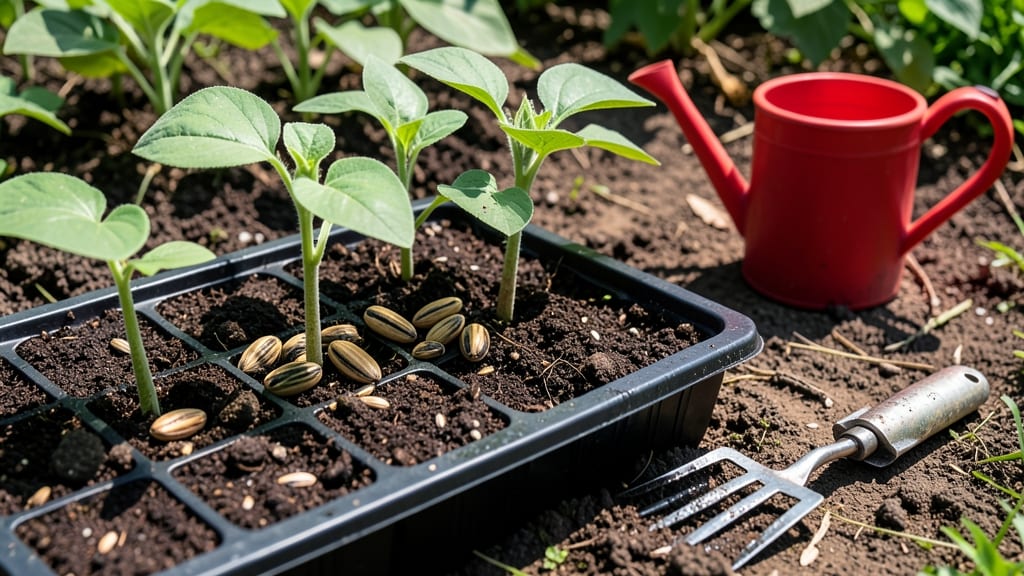
To sow sunflowers 🌻 for the fastest, most vibrant blooms, aim for April to early May in most U.S. zones — but the exact timing depends on your last frost date and soil warmth.
Picture this: you’ve waited all winter for those towering 🌻 sunflowers to brighten your garden, only to watch them wilt because they were planted too early. Or worse, you miss the season entirely because you waited too long.
The difference between a thriving 6-foot giant and a sad, stunted plant often comes down to a few weeks of perfect timing.
In cooler climates like Zone 6a, wait until the soil hits 50°F (10°C) and all frost danger has passed — typically mid-April for most regions. Warmer zones can start as early as March, but rushing it risks weak seedlings.
Below, I’ll break down the exact deadlines by zone, plus pro tips for adjusting timing if you want late-summer blooms or a fall harvest.
You’ll leave here knowing not just when to plant, but how to set your sunflowers up for fast germination, strong stems, and the biggest blooms of the season — no guesswork included.
Sunflower sowing calendar by US planting zones: ideal dates for direct seeding
Timing your sunflower seeds correctly ensures robust growth and stunning blooms before the first frost. Since sunflowers thrive in warm soil (ideal germination occurs at 50-60°F), planting too early risks stunted seedlings, while late sowing may delay blooms.
Each USDA zone has unique windows—let’s break it down by region so you can plan for maximum height and seed production.
For direct seeding, aim to sow 4-6 weeks before your last frost date in cooler zones, but wait until soil warms in southern regions. Sunflowers are fast growers—most varieties reach maturity in 70-120 days, so adjust your timeline to avoid overwintering in colder climates.
Below, find your zone’s perfect sowing windows, including early, mid, and late-season options for staggered blooms.
Pro Tip: Use a soil thermometer to confirm 50°F+ soil temps before sowing. If your zone’s early window is too risky, opt for late spring sowing (May-June) for summer-to-fall blooms.
| USDA Zone | Early Sowing | Mid-Season | Late Sowing | Soil Temp Threshold | Notes |
|---|---|---|---|---|---|
| Zones 3-4 | Late April–Early May | Mid-May | Early June (for fall blooms) | 50–55°F | Use row covers for early sowing |
| Zones 5-6 | Mid-April–Early May | Late May | Late June (compact varieties) | 55–60°F | Ideal for giant varieties (e.g., 'Mammoth') |
| Zones 7-8 | Early March–April | May–June | July (for winter harvests) | 60°F+ | Succession plant for continuous blooms |
| Zones 9-10 | January–February | March–April | August–September | 65°F+ | Avoid summer sowing in extreme heat |
In Zones 3-4, where frost lingers later, prioritize late April–early May sowing for towering varieties like 'Russian Giant.' If you miss this window, opt for early June to enjoy fall blooms with dwarf varieties (e.g., 'Teddy Bear').
Always monitor soil temperature—if it dips below 50°F, germination slows dramatically.
For Zones 5-6, mid-April is ideal for direct seeding, but wait until soil reaches 55°F to avoid leggy seedlings. Late May is a backup window for succession planting, ensuring blooms through summer.
In these zones, giant sunflowers need the full growing season, so avoid late sowing unless you choose compact types.
Southern gardeners in Zones 7-10 can sow as early as January, but aim for March–April for optimal growth. Zone 10 growers should avoid summer sowing due to heat stress—opt for August–September instead. Succession planting every 2-3 weeks extends harvests and prevents overcrowding.
Regardless of zone, always plant 1 inch deep and 6 inches apart (12 inches for giant varieties). Thin seedlings to 12–18 inches for strong stems. Mulch with straw or
How to adjust sunflower planting time for late summer blooms vs. fall harvest
Sunflowers 🌻 aren’t just one-size-fits-all plants—they thrive when you match their growth cycle to your goals. Want towering summer blooms? Start early. Craving compact fall harvests?
Time it right for late-season success. The key is staggered sowing, which lets you enjoy sunflowers from June through October without overcrowding your garden.
I’ve learned the hard way that planting all my sunflower seeds at once leads to a bloom glut in July and nothing after August. Instead, I now use a two-phase approach: early spring for tall varieties and late summer for dwarf types.
This method also works wonders in southern climates, where heat tolerance becomes just as critical as timing. Let’s break down how to adjust your planting schedule for both scenarios.
Early Spring (March–April)
Sow tall varieties (6–14 ft) 2–4 weeks before last frost for summer blooms. Use black plastic mulch in cold zones to warm soil faster.
Late Summer (July–August)
Plant compact varieties (1–3 ft) for fall harvests. Choose heat-tolerant types like 'Teddy Bear' or 'Moulin Rouge' to survive southern summers.
Succession Planting
Sow new seeds every 2 weeks after initial planting to extend blooms. Space 12–18 inches apart for dwarf types to prevent shading.
Southern Climate Tip
In Zones 8–10, sow year-round with shade cloth in peak heat. Water deeply every 3–5 days to prevent bolting.
For late summer blooms, focus on tall varieties like 'Mammoth' or 'Russian Giant'. These need 100+ days to mature, so start them in early spring (March–April in most zones).
In Zone 5, I’ve found that sowing by April 15th ensures blooms by mid-July, just in time for summer parties. Use a soil thermometer to confirm temperatures are above 50°F (10°C)—cold soil slows germination dramatically.
If your goal is a fall harvest, switch to compact varieties like 'Sunspot' or 'Autumn Beauty'. These mature in 60–80 days, making them perfect for July–August sowings.
In my Zone 7 garden, I’ve had success with late plantings as far as August 1st, but I always use mulch to retain moisture and shade cloth during heatwaves. The trade-off? You’ll sacrifice height for earlier fall blooms and seed production.
Don’t forget about succession planting—this is my secret weapon for nonstop sunflowers. After your initial spring planting, sow a second batch 4–6 weeks later and a third 2 weeks after that. This creates a rolling harvest from July through October.
Just be mindful of spacing: dwarf varieties need 12 inches apart, while tall types require 18–24 inches to avoid competition. In southern climates, this strategy also helps plants beat the late-summer heat.
Pro tip: In Zones 8–10, where frost is rare, you can push the envelope further. I’ve sown sunflowers as late as September in Zone 9, and they still produced small but viable seeds by November.
The trick? Daily watering and afternoon shade during the hottest months. These late plantings won’t reach their full height, but they’re perfect for cut flowers or birdseed.