
Plants
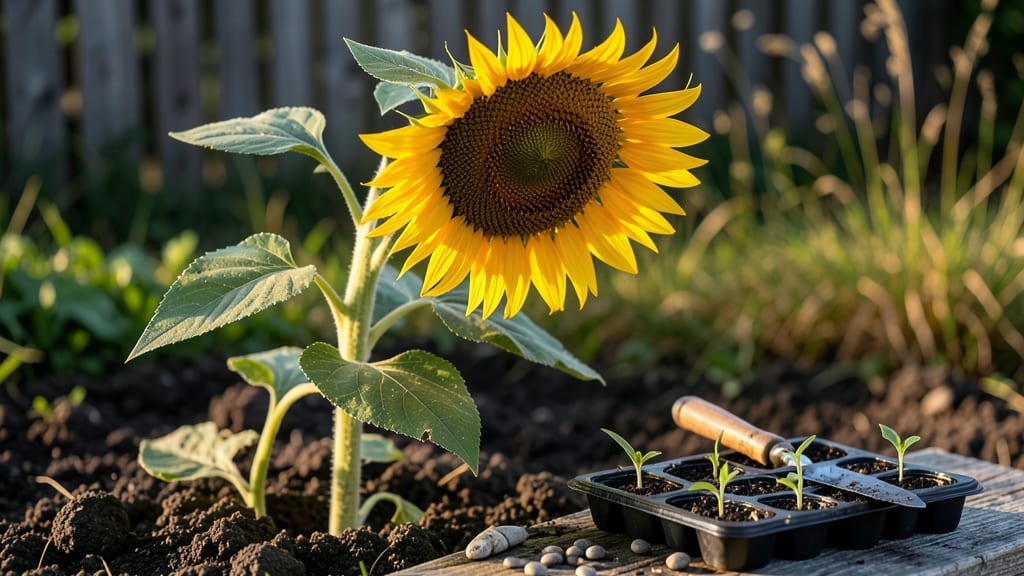
To plant sunflower seeds in California, aim for early spring or late summer—when soil warms to 50°F—to align with the 8a-11 zones and avoid frost risks inland.
Sunflowers thrive in California’s warm climate—but planting them at the wrong time can mean wilted dreams instead of towering blooms. Timing is everything, and these heat-tolerant giants demand precision to flourish from the Central Valley to coastal gardens.
Coastal areas can plant year-round, while inland regions should start in March to beat summer heat. The key? Soil temperature and seasonal shifts—skipping this can stunt growth or trigger early bolting.
Below, I break down the best months by region, heat-tolerant varieties, and pro tips to extend your sunflower season—so you get bold blooms from seed to harvest.
California sunflower planting calendar: best months by region
California’s diverse climate—from frost-free coastal areas to hot inland valleys—means sunflower planting times vary dramatically by region. In Northern California, cooler springs delay planting until late April or May, while Southern California gardeners can start as early as February in sheltered microclimates.
Even Central Coast areas like Santa Barbara enjoy year-round growing potential, but heat tolerance becomes critical in summer.
Sunflowers thrive in California’s USDA zones 8a–11, but frost dates and soil warmth dictate ideal windows. For example, Sacramento’s last frost typically occurs by March 15, while Los Angeles rarely sees frost, allowing extended seasons.
Always plant when soil temperatures reach 50°F (10°C)—use a soil thermometer to avoid cold damage.
Here’s how to align your planting with California’s three key regions, accounting for rainfall patterns, heat spikes, and bloom timing:
For Northern California, prioritize spring planting (April–June) to avoid summer heat stress. In Central Valley areas like Fresno, succession planting in July–August ensures fall blooms before winter rains. Meanwhile, Southern California gardeners can push limits with year-round growth—just use shade cloth in peak summer (90°F+).
Pro tip: Direct-sow seeds 0.5–1 inch deep, 6–12 inches apart, and thin seedlings to 12–18 inches for optimal airflow. In coastal regions, mulch with straw to retain moisture during foggy summers. Inland gardens benefit from drip irrigation to prevent bolting from heat stress.
Timing isn’t just about months—it’s about microclimates. A San Francisco garden might plant in March for summer blooms, while a Palm Springs yard can start seeds in January for spring color. Always check local frost maps (e.g., USDA Plant Hardiness) and monitor 7-day forecasts for heatwaves.
Sunflowers mature in 60–120 days, so late summer plantings (August) can still yield fall blooms before winter.
For example, Autumn Beauty varieties thrive in cooler fall temps (55–75°F), making them ideal for September sowings in Northern CA. Pair this with well-draining soil to prevent root rot from winter rains.
Extend your season with shade cloth (30–50%) during 100°F+ days to protect seedlings. In Southern CA deserts, plant near drip lines of fruit trees to share moisture. Always rotate varieties—tall Russian Giants (12–16 ft) need staking, while dwarf types (2–4 ft) suit containers or small spaces.
Remember: Sunflowers love heat, but overwatering kills them. Let soil dry slightly between waterings once established—drought tolerance kicks in after 4–6 weeks. With the right timing, you’ll enjoy sunflower blooms from May to December across California’s regions.
Heat-tolerant sunflower varieties and their ideal planting times
California’s diverse climate offers the perfect stage for sunflowers, but not all varieties handle its heat equally. Heat-tolerant sunflowers like 'Moulin Rouge' and 'Russian Giant' thrive when planted at the right time, avoiding the dreaded bolting or stunted growth that plagues impatient gardeners.
The key? Timing your seeds to align with soil warmth and rainfall patterns—whether you're in frost-free coastal areas or the scorching Central Valley.
For coastal regions (USDA zones 9b–10), you can plant sunflower seeds almost year-round, but the ideal window stretches from March through October. Inland areas (zones 8a–9a) should aim for late March to early September to avoid summer’s brutal heat waves.
Let’s dive into the best heat-tolerant varieties and their precise planting schedules to ensure your sunflowers reach their full, golden potential.
'Moulin Rouge' is my go-to for coastal gardens—its dwarf stature and quick bloom time make it perfect for urban planters or small yards. Plant these seeds in March or April to ensure they flower before summer’s peak heat. The deep red blooms contrast beautifully with blue succulents or silver foliage, adding a pop of color to mixed borders.
If you’re chasing tall, dramatic sunflowers, 'Russian Giant' is unbeatable—but it demands patience. Sow seeds in late April or early May to give them time to establish roots before the 100°F+ inland summers arrive.
Stake these giants early to prevent toppling, especially in windy Central Valley areas where they can reach 16 feet tall.
For a late-season splash of color, 'Autumn Beauty' is unmatched. Its multi-colored blooms (yellow, red, and brown) thrive when planted in June or July, giving you fall blooms when many other plants have faded.
This variety is drought-tolerant once established, making it ideal for water-conscious gardens in Southern California.
Pro tip: Always direct sow sunflower seeds—transplants struggle to adapt. Scatter them 0.5–1 inch deep, 6–12 inches apart, and keep the soil consistently moist until germination (about 7–14 days). Once sprouted, reduce watering to once weekly to encourage strong stems and prevent fungal issues.
With the right variety and planting timing, your California sunflowers will reward you with vibrant blooms from spring through fall—no wilted dreams here! 🌻