
Shrubs
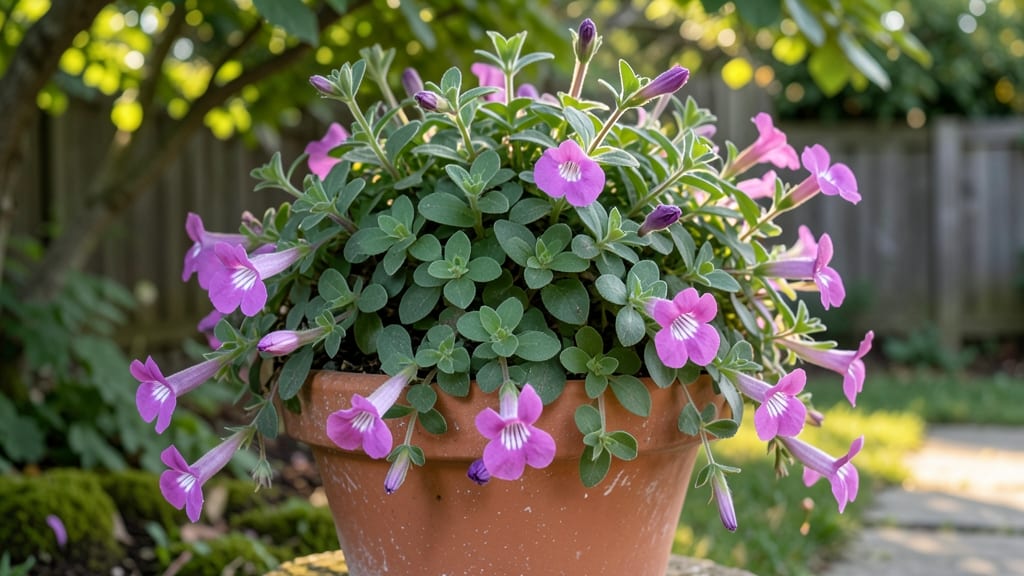
Wishbone flowers thrive in sun or shade 🌸 — the key to their vibrant blooms lies in understanding how to adapt their care to your garden’s light conditions.
Picture this: you’ve planted your Wishbone Flower with high hopes, only to watch it stretch toward the light or fade in the heat.
The secret isn’t just choosing one spot—it’s learning how to adjust water, soil, and even pruning based on whether your plant is basking in morning sun or tucked under a tree’s dappled shade.
In this guide, I’ll break down the sun vs. shade differences for Wishbone Flowers, from soil moisture tricks to spotting when your plant is begging for more (or less) light.
Whether you’re growing them in containers or garden beds, you’ll discover how to keep those heart-shaped blooms coming all season.
Ready to turn leggy stems and wilted leaves into a year-round display? Let’s dive into the light balance that makes all the difference.
 Best Window Placement
Wishbone Flower sun vs shade requirements: the ideal light balance
Wishbone flowers (Torenia fournieri) thrive in 4-6 hours of morning sun but can adapt to partial shade—making them versatile for various garden spots. Their light needs vary by variety, with some like Torenia 'Blue Wishbone' handling more shade than Torenia 'Pink Cascade'.
Understanding these differences ensures vibrant blooms and prevents light stress symptoms like yellowing leaves or sparse flowers.
The key to success lies in balancing light exposure with soil moisture—too much sun can scorch leaves, while too little shade may cause leggy growth. Wishbone flowers rely on photosynthesis efficiency, absorbing blue and red light spectrums most effectively.
In full sun, their leaves produce more chlorophyll, but in shade, they rely on longer wavelengths for energy.
Here’s how different varieties handle light, along with soil adjustments to optimize growth:
| Variety | Light Tolerance | Soil Moisture Adjustment | Bloom Intensity | Stress Signs |
|---|---|---|---|---|
| Torenia 'Blue Wishbone' | Partial shade (3-4 hrs sun) | Keep soil consistently moist | Moderate (smaller blooms) | Yellowing leaves, sparse blooms |
| Torenia 'Pink Cascade' | Full sun to partial shade (4-6 hrs sun) | Well-draining soil, water deeply | High (vibrant colors) | Brown leaf edges, wilting |
| Torenia 'Sunset Mix' | Morning sun, afternoon shade | Mulch to retain moisture | Moderate (colorful blooms) | Leggy stems, few buds |
| Torenia 'Midnight' | Partial shade (2-3 hrs sun) | Keep soil slightly damp | Low (darker blooms) | Pale leaves, slow growth |
For full-sun conditions, prioritize well-draining soil to prevent root rot from excess moisture. In shade, increase humidity by grouping plants together or using pebble trays to mimic their natural tropical habitat.
Monitor leaf color—dark green indicates healthy growth, while yellow or brown edges signal light or water imbalances.
Adjust your care routine based on the season. In summer, wishbone flowers need more frequent watering (every 5-7 days) to compensate for increased evaporation. In winter, reduce watering to bi-weekly and move containers indoors if temperatures drop below 50°F (10°C).
This seasonal shift prevents shock and maintains steady blooming.
If your wishbone flowers show sparse blooms, they may need more light. Gradually increase exposure by 1-2 hours per week to avoid sunburn. Conversely, if leaves turn pale or stretch, they’re craving more shade.
Use light-colored shade cloth (30-50%) to filter harsh sunlight while still providing indirect light.
Pro tip: Rotate containers every few weeks to ensure even light exposure on all sides. This prevents uneven growth and encourages symmetrical blooming.
Pair wishbone flowers with tall grasses or ferns to create natural shade in sunny spots, or place them near east-facing windows indoors for bright indirect light.
For container growers, choose pots with drainage holes and use a lightweight potting mix to avoid compacted soil. Add perlite or vermiculite to improve aeration, especially in shady conditions where roots need extra oxygen.
Fertilize lightly with a balanced 5-10-10 formula every 4-6 weeks during the growing season to support steady blooming.
Remember, wishbone flowers are adaptable but thrive best with consistent conditions. Experiment with light levels in small batches to find the ideal balance for your climate. With the right light spectrum and soil moisture, you’ll enjoy year-round blooms in shades of blue, pink, purple, and white. 🌸
How to adapt wishbone flowers to different light conditions
Wishbone flowers (Torenia fournieri) are remarkably adaptable, but their care shifts dramatically between full sun and shade environments. The key to success lies in understanding how light intensity affects their water needs, growth habits, and blooming patterns.
For example, plants in bright morning sun may need daily watering to prevent wilting, while those in dappled shade might thrive with weekly moisture checks.
I’ve found that the biggest mistake gardeners make is assuming "more light equals better growth." In reality, Wishbone Flowers often struggle with afternoon sun, especially in hot climates. Their leaves can scorch or develop brown edges if exposed to intense rays after noon.
Conversely, too little light leads to leggy stems and sparse blooms—a clear sign your plant is stretching toward any available light source.
- Start with partial shade if moving from indoor to outdoor: Place plants in dappled light for 1-2 weeks before full exposure to avoid sunburn.
- For full-sun terraces, water deeply at dawn to prevent evaporation and root stress during peak heat.
- Use reflective surfaces (like white pebbles) under containers to boost indirect light in shady spots.
- Adjust fertilizer strength: In shade, use half-strength feed every 6 weeks; in sun, feed monthly with balanced 5-10-10.
- Rotate indoor pots weekly to ensure even light exposure and prevent lopsided growth.
Seasonal adjustments are just as critical as initial placement. During summer months, I recommend moving potted Wishbone Flowers to morning sun only and providing afternoon shade with a sheer curtain or nearby tree.
In winter, when light is naturally dimmer, supplement with a grow light for 4-6 hours daily to maintain blooming.
Companion planting can also work wonders for shade adaptation. Pair your Wishbone Flowers with tall grasses or ferns to create a natural light filter, while adding low-growing impatiens underneath to reflect light upward. This mimics the dappled shade they’d find under a tree canopy in nature.
If you’re growing Wishbone Flowers indoors, position them within 3 feet of an east-facing window for optimal bright indirect light. South-facing windows may work in cooler climates, but watch for leaf scorch—a sure sign the light is too intense.
For low-light offices, supplement with a full-spectrum LED grow bulb to mimic natural sunlight.
Remember, the goal is continuous blooming, not just survival. By fine-tuning your approach to light intensity, water frequency, and seasonal shifts, you’ll transform your Wishbone Flowers into a year-round spectacle—whether they’re basking in morning rays or thriving in filtered shade. 🌿