
Flowers
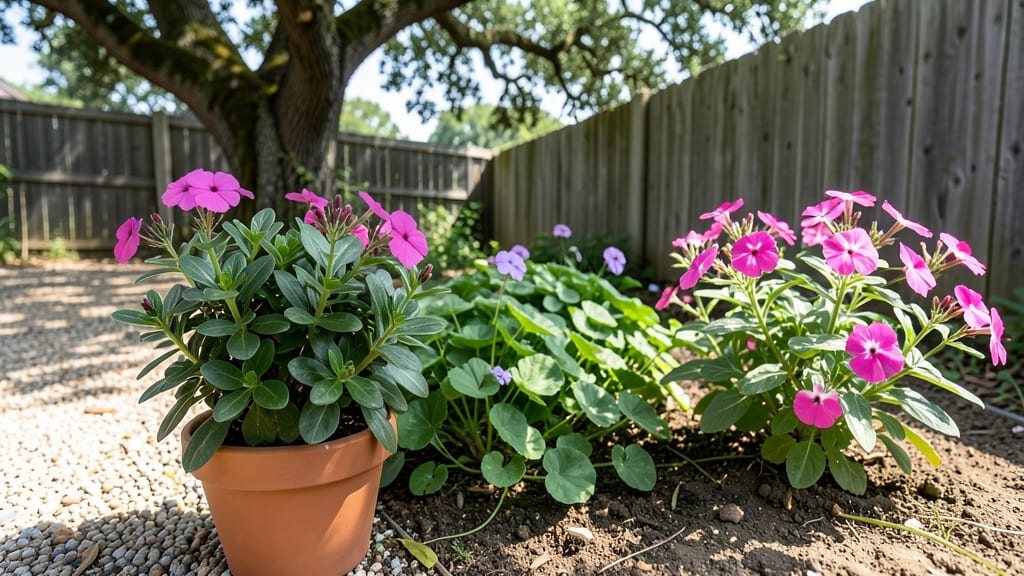
Vinca flowers thrive in sun or shade, making them the ultimate low-maintenance 🌸 for any garden spot.
Picture this: you’ve finally found a plant that blooms reliably, spreads easily, and doesn’t fuss over light—but you’re still not sure if your shady corner or sunny border is the right spot.
The good news? Vinca handles both with ease, though there are a few tricks to keep it looking its best.
This guide dives into how vinca adapts to different light levels, which varieties perform best in full sun versus deep shade, and how to spot (and fix) common light-related issues like leggy growth or faded blooms.
By the end, you’ll know exactly where to plant vinca for year-round color, whether you’re working with a bright patio or a dim woodland garden.
 Best Window Placement
How vinca flowers adapt to sun vs. shade light conditions
Vinca flowers, also known as periwinkle, are prized for their versatility in light conditions. Whether you have a sun-drenched patio or a shady woodland garden, vinca adapts beautifully. The key lies in understanding how leaf color and growth patterns shift based on sunlight exposure.
For example, Vinca minor (creeping myrtle) thrives in partial shade, while Vinca major (bigleaf periwinkle) handles more sun. Let’s dive into how these plants adjust—and how you can optimize their care.
Sunlight directly impacts vinca’s foliage color. In full sun, leaves often develop deeper green or bronze hues, while partial shade can produce variegated yellow or white edges. This adaptation is due to chlorophyll production and anthocyanin pigments, which protect leaves from excess light.
For instance, the 'Illumination' vinca variety showcases stunning yellow-green foliage in shade but may revert to green in too much sun.
Here’s how vinca’s growth habits change with light:
| Vinca Variety | Ideal Light | Leaf Color Adaptation | Growth Pattern | Bloom Intensity |
|---|---|---|---|---|
| Vinca minor | Partial shade | Deep green | Low-spreading | Moderate |
| Vinca major | Full sun to partial shade | Bronze-green | Upright, bushy | High |
| 'Illumination' vinca | Partial to full shade | Yellow-green | Trailing | Moderate |
| 'La Grave' vinca | Full sun | Dark green | Compact | Very high |
Vinca minor excels in partial shade, where it spreads 2-3 feet wide while staying under 1 foot tall. This makes it perfect for ground cover under trees or along north-facing walls. In full sun, however, it may become stressed, showing yellowing leaves or sparse blooms. To prevent this, mulch with organic matter to retain moisture and protect roots.
On the other hand, Vinca major loves full sun to partial shade and grows 1.5-2 feet tall, making it ideal for border plantings or container gardens. In deep shade, its growth slows, and flower production drops.
If you notice leggy stems or fewer blooms, it’s a sign your vinca needs more light. Try moving it to a sunnier spot or prune to encourage bushier growth.
For deep shade conditions (e.g., under dense trees), choose variegated vinca varieties like 'Illumination' or 'Silver Dust'. These thrive where other plants struggle and add bright pops of color to dim corners.
Water consistently in shade, as soil stays moist longer, reducing evaporation. A slow-release fertilizer in spring will also boost vigor.
In full sun, vinca’s water needs increase. Aim for 1 inch of water weekly, but check soil moisture—drought stress causes crispy edges on leaves. Use drip irrigation to deliver water directly to roots and reduce leaf scorch.
If your vinca is in a container, ensure the pot has drainage holes and use well-draining soil to prevent root rot.
Seasonal adjustments are key. In spring, vinca benefits from balanced fertilizer (e.g., 10-10-10) to fuel new growth. By summer, reduce feeding to every 6-8 weeks and focus on mulching to retain soil moisture.
In fall, vinca enters dormancy—reduce watering and avoid heavy pruning until early spring.
Pro tip: Rotate containers every few weeks if growing
Best vinca varieties for low-light gardens and sunny spots
Vinca flowers shine in nearly any garden spot, but some varieties truly excel in shade while others thrive in full sun. The key is matching your vinca type to your garden’s light conditions.
Whether you’re dealing with a dark corner or a hot, sunny border, there’s a vinca cultivar perfect for your space. Let’s explore the best options for both scenarios.
For shady gardens, look for vinca varieties with darker foliage and compact growth habits. These plants often feature variegated leaves or deep green hues that stay vibrant even without direct sunlight.
In contrast, sun-loving vincas typically boast brighter blooms and hardier stems that can withstand intense light. Let’s dive into the top picks for each scenario.
🌿 Top Vinca Varieties for Shade
- 'Illumination' Vinca – Variegated leaves with creamy yellow edges that glow in low light. Ideal for woodland gardens or north-facing borders.
- 'Starlight' Vinca – Deep purple foliage with silvery-white variegation, perfect for shady containers or understory plantings.
- 'Grape Expectations' Vinca – Dark burgundy leaves that stay rich in partial to full shade. Produces deep purple flowers even with minimal light.
☀️ Top Vinca Varieties for Sun
- 'La Grave' Vinca – Bright pink flowers and glossy green leaves, thriving in full sun. Drought-tolerant once established.
- 'Sorbet' Series (Pink, White, Purple) – Compact mounds with vibrant blooms that intensify in sun. Great for rock gardens or sunny borders.
- 'Alba' Vinca – Pure white flowers that stand out in sunny spots. Tolerates heat and dry soil once rooted.
When planting vinca in shady spots, focus on well-draining soil with added organic matter like compost. These varieties may need slightly more frequent watering since they rely on indirect light.
In sunny locations, prioritize sandy or loamy soil to prevent root rot, and mulch to retain moisture. Both scenarios benefit from a balanced fertilizer in spring to encourage lush growth.
Seasonal adjustments are key to keeping vinca vibrant. In spring and fall, shade-loving vincas may need extra pruning to maintain their shape, while sun-loving types might produce more blooms with a light summer trim.
Always deadhead spent flowers to encourage continuous blooming, regardless of light conditions. With the right variety and care, your vinca will reward you with colorful displays year-round.
Pro tip: If your vinca starts looking leggy or sparse, it might be getting too much shade. Try moving it to a sunnier spot or supplementing with a grow light for container varieties.
Conversely, if leaves turn yellow or crispy, it’s likely overheating in direct sun—provide afternoon shade to protect it. 🌱