
Flowers
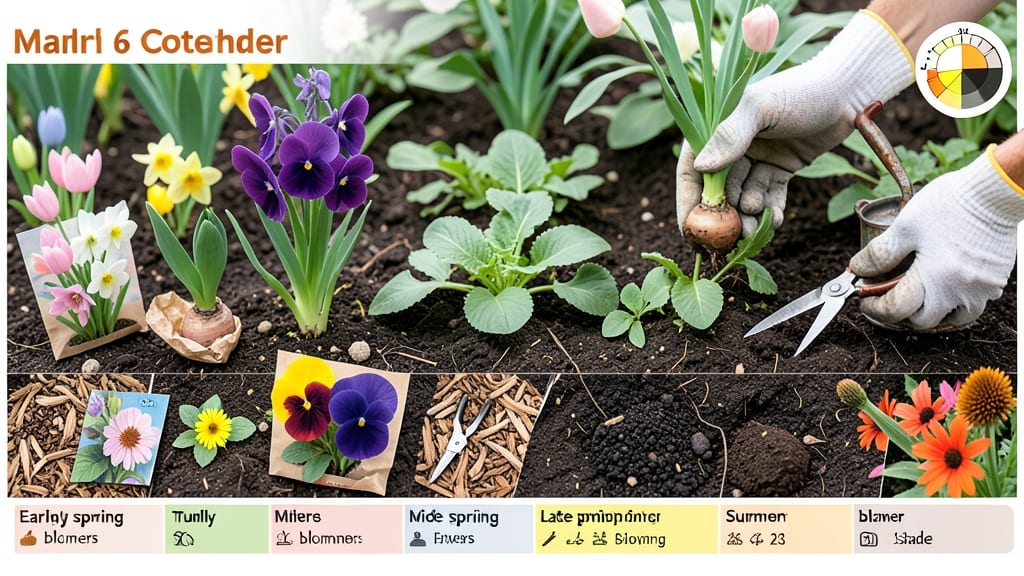
Your Zone 6 planting schedule for flowers determines whether your garden bursts with color or barely budges—and the difference often comes down to timing.
Picture this: You’ve waited all winter for your 🌸 tulips to bloom, only to find they’re still dormant in May, or your annuals arrive too late for summer heat.
In Zone 6, where last frosts linger until mid-April and summers can scorch seedlings, getting the indoor vs. outdoor planting windows right is the key to success.
This schedule breaks down exactly when to start seeds indoors (like petunias and snapdragons) versus when to sow directly outdoors (like marigolds and cosmos
By the end, you’ll know the perfect weeks to plant for peak blooms, which flowers thrive best from seeds vs. transplants, and how to prep your soil for Zone 6’s unpredictable climate.

Zone 6 flower planting timeline: exact weeks for indoor seed starting vs. direct outdoor sowing
Timing is everything in Zone 6 gardening, where last frost dates can vary by weeks and heat waves arrive unpredictably. I’ve broken down the exact weeks to start seeds indoors versus direct-sowing outdoors for your favorite flowers, factoring in cold tolerance and heat sensitivity.
Miss these windows, and you’ll either wait months for blooms or watch them wilt before summer’s peak.
Zone 6 spans 6a (avg. -10°F) to 6b (avg. 0°F), with April 15 as the typical last frost date—but always verify your local microclimate. For example, tulip bulbs need planting in fall (October), while marigolds thrive when direct-sown after May 1.
Let’s dive into the month-by-month schedule that separates thriving gardens from disappointing gaps.
| Flower Type | Indoor Start (Weeks Before Last Frost) | Outdoor Sowing (After Last Frost) | Transplant Outdoors | Heat Tolerance |
|---|---|---|---|---|
| Annuals (Petunias, Snapdragons) | 8–10 weeks | After May 1 | Late May–Early June | Moderate (wilts in 90°F+) |
| Perennials (Coneflowers, Black-Eyed Susans) | Indoor: 4–6 weeks (fall) | Direct: April 15+ | N/A (or late May) | High (drought-resistant) |
| Bulbs (Tulips, Daffodils) | N/A (plant fall) | October 1–15 | N/A | Low (needs cool soil) |
| Heat-Lovers (Marigolds, Cosmos) | N/A (direct sow) | After May 15 | N/A | Very High |
| Cool-Season (Pansies, Calendula) | 6–8 weeks (fall/winter) | March 15+ or Sept 1+ | Late March/Early Sept | Moderate (avoid summer heat) |
For annuals like petunias, I recommend starting seeds 8–10 weeks before your last frost (typically February 15–March 1 in Zone 6). These heat-sensitive plants need a head start to avoid leggy growth. Transplant them outdoors after May 1, once soil temps hit 60°F, to prevent shock.
Perennials like coneflowers are more forgiving—direct-sow them after April 15 or start seeds indoors 4–6 weeks before last frost for earlier blooms. Their drought tolerance makes them ideal for Zone 6’s unpredictable rainfall. Space them 18–24 inches apart to avoid competition.
Bulbs like tulips must be planted in fall (October) to naturalize properly. They need cool soil to develop roots before winter dormancy. If you miss this window, your blooms will be sparse or nonexistent
Best flowers for Zone 6 by planting method: which ones thrive from seeds vs. transplants
Choosing the right planting method for your Zone 6 flowers can mean the difference between a lush, long-blooming garden and a disappointing season. Some flowers, like petunias and snapdragons, need a head start indoors to beat Zone 6’s short growing season.
Others, such as marigolds and cosmos, thrive when direct-sown outdoors after the last frost. Let’s break down the best options for each method to maximize your bloom potential.
Indoor seed starting gives delicate flowers a 6-8 week advantage over direct sowing. This method works best for slow-growing annuals that need warm soil and consistent moisture to establish roots.
In Zone 6, starting seeds indoors in March or early April ensures they’re ready for transplanting by late May, just as the soil warms up. Flowers like geraniums and salvias benefit from this early start, as they’re prone to leggy growth or slow germination in cool soils.
🌱 Pros and Cons: Indoor Seed Starting vs. Direct Sowing in Zone 6
Indoor Seed Starting
- ✅ Faster growth for slow starters
- ✅ Longer bloom time (6-8 weeks earlier)
- ✅ Controlled conditions (humidity, warmth)
- ⚠️ Requires space and equipment
- ⚠️ Hardening-off needed before transplanting
Direct Sowing Outdoors
- ✅ No transplant shock for hardy seeds
- ✅ Less maintenance (no indoor care)
- ✅ Better for heat-loving flowers (e.g., sunflowers)
- ⚠️ Slower germination in cool soils
- ⚠️ Limited variety (some seeds don’t transplant well)
For direct sowing in Zone 6, focus on fast-growing, heat-tolerant flowers like marigolds, zinnias, and cosmos. These plants germinate quickly in warm soil (60°F+) and don’t mind being planted after the last frost (typically mid-May in Zone 6).
Direct sowing also works well for self-seeding annuals like lupines and poppies, which can become perennialized in your garden over time.
If you’re starting seeds indoors, petunias and geraniums are top performers in Zone 6. These flowers need 8-10 weeks indoors before transplanting, so begin sowing in late February to early March.
For snapdragons and sweet alyssum, aim for 6-8 weeks indoors, starting seeds in March. Always use seed-starting mix and provide 14-16 hours of grow lights to prevent leggy seedlings.
For direct sowing, marigolds and sunflowers are foolproof choices.
Sow marigold seeds directly in April or May after the soil warms, and expect blooms in 6-8 weeks. Sunflowers can be sown as early as late April in Zone 6, but wait until May for shorter varieties to avoid frost damage.
Always thin seedlings to 12-24 inches apart to ensure proper airflow and disease prevention.
Pro tip: Use biodegradable pots for indoor starts to avoid root disturbance when transplanting. For direct sowing, mulch lightly with straw to retain moisture and suppress weeds. In Zone 6, succession planting every 2-3 weeks keeps your garden blooming all summer long.
Remember, Zone 6’s unpredictable spring weather can throw off even the best-laid plans. Keep an eye on frost forecasts and have row covers ready to protect tender seedlings. With the right planting method, your Zone 6 garden will burst with color and life from early summer through fall.