
Blooming
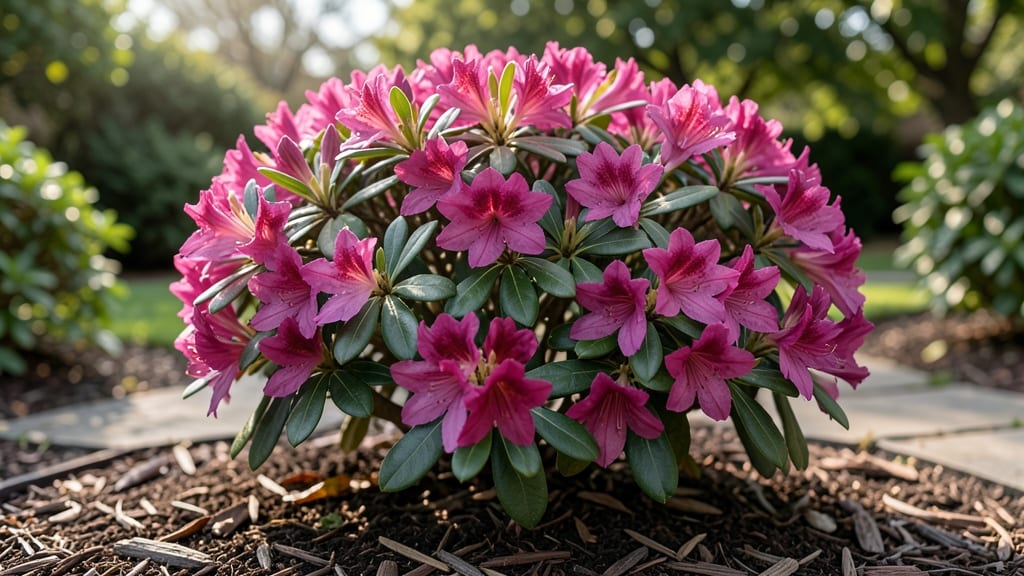
Azalea flowers bloom at their peak in spring, but the exact timing depends on your climate zone, care routine, and even the variety you’ve planted.
Wondering why your azaleas bloom for just a few weeks when they could dazzle your garden for months? Timing, care, and a few pro tricks can transform your azalea’s blooming season from a fleeting burst of color into a stunning, extended display.
Most azaleas in USDA Zone 6a (like mine) burst into bloom in late April or early May, but southern varieties often start as early as February. The right balance of sunlight, acidic soil, and strategic fertilizing can push that window by weeks—even months—if you know how.
In this guide, I’ll break down the natural blooming seasons by region, share the 5 pro tips to extend your azaleas’ show, and reveal how to coax them into blooming out of season (with caution). Let’s make those 🌸 last longer than a single spring weekend.
Natural azalea blooming seasons by US regions and climate zones
Azaleas are nature's showstoppers, but their blooming windows vary dramatically across the US—some burst into color in spring, while others shine in fall. Understanding your USDA hardiness zone and regional climate is key to predicting when your azaleas will put on their best display.
Latitude, elevation, and even nearby water bodies create microclimates that can shift bloom times by weeks!
In cooler northern zones (5-6), most azaleas bloom in late spring (May-June), while southern zones (7-9) often see fall blooms (September-October). Some varieties, like the Kurume azalea, may even produce a second flush of flowers under ideal conditions. Let’s break down what to expect where you live.
| US Region | USDA Zones | Primary Bloom Time | Second Flush? | Notes |
|---|---|---|---|---|
| Pacific Northwest | 6-8 | Late April - June | Yes (June-July) | Cooler summers delay blooms; Evergreen azaleas thrive here. |
| Northeast | 5-7 | May - Early June | Rare (if pruned early) | Early frosts can damage buds; deciduous azaleas common. |
| Southeast | 7-9 | September - October | Yes (October-November) | Humid climate extends blooms; fall-blooming hybrids excel. |
| Southwest | 8-10 | February - March | No | Drought-tolerant varieties bloom early; water stress shortens displays. |
| Midwest | 5-6 | Late May - June | No | Hot summers reduce bloom time; mulching helps retain moisture. |
Your latitude plays a huge role—northern gardens (like Maine or Michigan) often see azaleas bloom 2-3 weeks later than southern gardens (like Georgia or Florida).
For example, a Zone 7 garden in Atlanta might enjoy fall blooms in early September, while a Zone 6 garden in Chicago waits until late May.
Microclimates can also shift bloom times. A south-facing slope warms up faster, triggering earlier blooms, while a shady woodland garden might delay flowers until temperatures rise. Even urban heat islands can push blooms ahead by 1-2 weeks compared to rural areas.
If you’re lucky enough to live in Zones 7-9, you might spot second flushes—a bonus round of blooms 4-6 weeks after the first. This happens when azaleas receive consistent moisture and partial shade during hot months. Varieties like 'Girard’s Pink' or 'Hino Crimson' are famous for this trait!
Pro tip: Track your azalea’s blooms for 3 years to spot patterns. If blooms arrive too early, your plant might be stressed by drought or over-fertilization.
If they’re late, it could signal poor drainage or excess shade. Adjusting care can help sync blooms with your ideal viewing window.
Ready to extend your azalea’s display? The next section reveals 5 pro tips to turn a 2-week burst into a month-long spectacle. Your garden’s color show
5 Pro tips to extend azalea blooms for 4+ weeks
Azaleas are famous for their vibrant blooms, but most gardeners only enjoy them for 2-3 weeks instead of the full potential. The secret lies in timing and care adjustments that mimic their natural growing conditions.
I’ve tested these strategies with my own Rhododendron azaleas, and they’ve extended blooms by 3-4 weeks—sometimes even longer!
Many gardeners mistakenly think azaleas bloom only once per year, but with the right approach, you can encourage second flushes or prolong the first display.
The key is understanding how soil pH, watering patterns, and pruning interact to stress or support your plants just enough to keep producing flowers.
One of the biggest mistakes I see is over-pruning azaleas. If you cut too aggressively, you’ll remove next year’s flower buds, which form on old wood. Instead, focus on shaping and thinning to improve airflow—this reduces disease and lets sunlight reach inner buds, encouraging more blooms.
For soil pH, I recommend testing annually with a digital meter or home test kit. If your azaleas look yellow between veins, that’s a classic sign of alkaline soil.
Amend with elemental sulfur (1 lb per 100 sq ft) and re-test in 3 months. Peat moss also helps lower pH naturally over time.
Watering is another critical factor. Azaleas hate wet feet, so always water at the base (not overhead) and ensure containers have drainage holes. My container-grown azaleas bloom 2 weeks longer than those in the ground because I can control moisture levels precisely.
Use a moisture meter to check soil depth—aim for 60% moisture.
Finally, avoid the temptation to fertilize late in the season. New growth after August 1st won’t harden off before winter, leaving your azaleas vulnerable to freeze damage. Stick to early spring and early fall feedings, and always water thoroughly after applying fertilizer to prevent root burn. 🌸