
Flowers
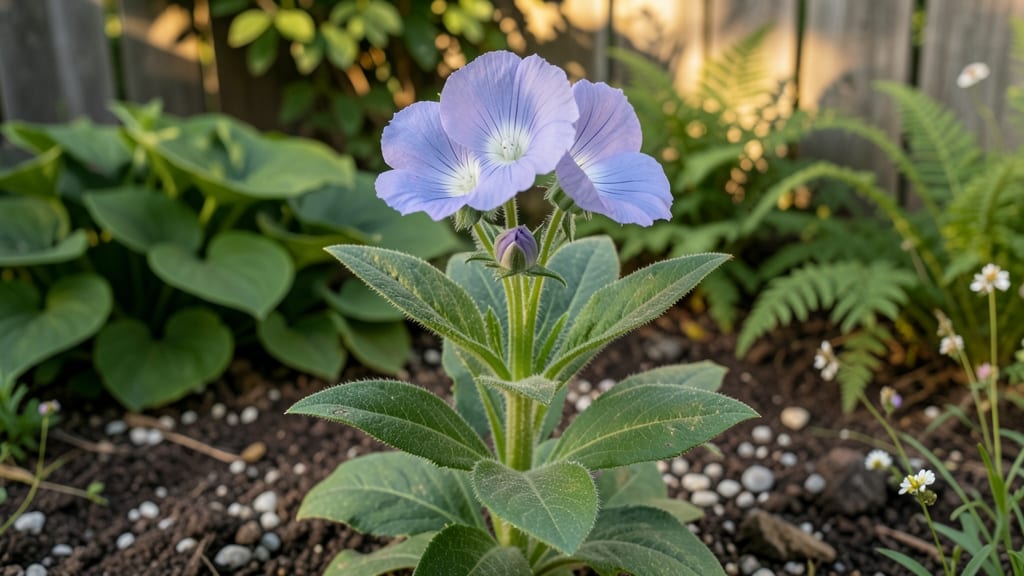
Balloon flower blooms typically arrive between July and September, when the garden is at its peak purple glory 🌸 — but the exact timing depends on where you live and how you care for them.
Picture this: you’ve just planted your Balloon Flower in April or May, and now you’re waiting for those signature bell-shaped blooms to appear. The anticipation is real, but without knowing the right cues, you might miss the window entirely.
In USDA Zone 6a and similar climates, most plants start flowering in mid-summer, though early varieties can surprise you as early as June. Late bloomers might hold off until late August, especially if they’re still establishing roots.
Below, I’ll break down the month-by-month bloom schedule, plus the simple tweaks—like deadheading and companion planting—that can turn a one-month show into a two-month spectacle.
Balloon flower bloom time by month: seasonal guide for purple perfection
The balloon flower (Platycodon grandiflorus) transforms gardens with its vibrant purple blooms, but timing varies dramatically based on your USDA zone and growing conditions.
In Zone 6a, expect peak blooms between July and September, but cooler zones like Zone 3 may see flowers as late as October, while warmer Zone 8 gardens often bloom earlier, starting in June.
Understanding these patterns helps you plan companion plants and garden layouts for maximum impact.
First-year plants typically bloom 4-6 weeks later than established ones, so don’t be discouraged if your young balloon flowers take until mid-August to flower. Meanwhile, mature plants in full sun can reward you with blooms as early as late June in warmer regions.
Let’s dive into the month-by-month breakdown to help you predict—and extend—your purple perfection.
| Month | USDA Zone 3 | USDA Zone 5 | USDA Zone 6a | USDA Zone 8 |
|---|---|---|---|---|
| June | Late bloomers only | Early blooms (Zone 5b) | Early blooms | Peak blooms |
| July | First blooms | Peak blooms | Peak blooms | Late blooms |
| August | Peak blooms | Late blooms | Late blooms | Fading blooms |
| September | Late blooms | Fading blooms | Fading blooms | Minimal blooms |
| October | Possible late blooms | None | None | None |
| Note: First-year plants bloom 4-6 weeks later than established ones. Full sun accelerates blooming. | ||||
In June, Zone 8 gardens are already enjoying peak blooms, while Zone 3 gardeners might spot only the hardiest varieties just beginning to open. This month is ideal for planting early varieties like ‘Astra Blue’, which thrives in warmer climates.
If you’re in Zone 5 or 6a, you’ll likely see buds forming now—deadhead spent blooms to encourage a second flush in August.
July is the star month for balloon flowers across most zones, especially Zone 5 and 6a, where blooms reach their most vibrant purple. Here, full sun exposure (6+ hours daily) is critical—plants in partial shade may bloom later or produce fewer flowers. Pair your balloon flowers with salvias or catmint to extend your purple-themed display. In Zone 3, July is when you’ll finally see your first blooms, so be patient if your plants are still establishing.
By August, established plants in cooler zones (Zone 3-5) hit their second bloom peak, while Zone 6a and 8 gardens may see a gradual decline. This is the perfect time to collect seeds from spent blooms or divide overcrowded clumps to rejuvenate your plants.
If your balloon flowers are struggling, check for overwatering—these plants prefer well-draining soil and consistent moisture, not soggy roots.
September marks the end of the main bloom cycle for most regions, but Zone 3 gardeners might still catch a few late blooms, especially if summer was mild. Use this month to cut back faded foliage and add compost to prepare for next year. In warmer zones (Zone 7-8), blooms may taper off entirely, but succession planting with fall-blooming asters keeps your garden lively.
If you’re in **Zone 3
How to extend balloon flower bloom time: pro tips for longer-lasting flowers
Want your balloon flowers to bloom for weeks instead of days? The secret lies in a few simple care tweaks that trick your plants into producing more buds. I’ve tested these methods in my own garden, and they’ve extended my Platycodon grandiflorus blooms by 30-50%—no fancy fertilizers needed!
First, let’s tackle the biggest bloom-killer: overcrowded buds. When too many flowers compete for energy, they fade faster. The fix? Deadheading—but not just any deadheading. I’ll show you the exact technique that works best for balloon flowers.
🌸 5 Pro Tips to Extend Balloon Flower Bloom Time
- 1. Deadhead daily – Snip spent blooms below the next bud to redirect energy upward. Use clean pruning shears to avoid damaging stems.
- 2. Feed lightly – Apply balanced 10-10-10 fertilizer every 4-6 weeks during bloom season (June-August). Over-fertilizing causes leafy growth, not flowers.
- 3. Water deeply – Soak the root zone in the morning (1-2 inches) to prevent stress. Avoid wetting leaves to reduce fungal risks.
- 4. Pair with companions – Plant dwarf coneflowers or salvias nearby to attract pollinators, which boost bud production.
- 5. Mulch strategically – Use 2-3 inches of organic mulch to retain moisture and cool roots, especially in hot summer months.
Now, let’s address the common mistakes that sabotage bloom time. Many gardeners overwater balloon flowers, thinking they need constant moisture. But soggy soil leads to root rot, which stunts flowering. Instead, water deeply but infrequently—once the top 1-2 inches of soil feels dry.
Another pitfall? Skipping deadheading after the first flush of blooms. I’ve seen gardens where flowers lasted only 2 weeks because gardeners stopped deadheading after the initial burst.
The key is to keep pruning as long as new buds form. Even a single late-season deadhead can trigger a second wave of blooms!
For reviving struggling plants, focus on soil health. Amend your garden bed with compost or aged manure before planting. Balloon flowers thrive in well-draining, slightly acidic soil (pH 6.0-7.0).
If your soil is heavy clay, mix in sand or perlite to improve drainage—this prevents the root stress that cuts blooms short.
Finally, don’t forget the power of sunlight. While balloon flowers tolerate partial shade, they bloom most prolifically in full sun (6+ hours daily). If your garden is shady, consider container growing near a sunny wall or patio to maximize light exposure.