
Flowers
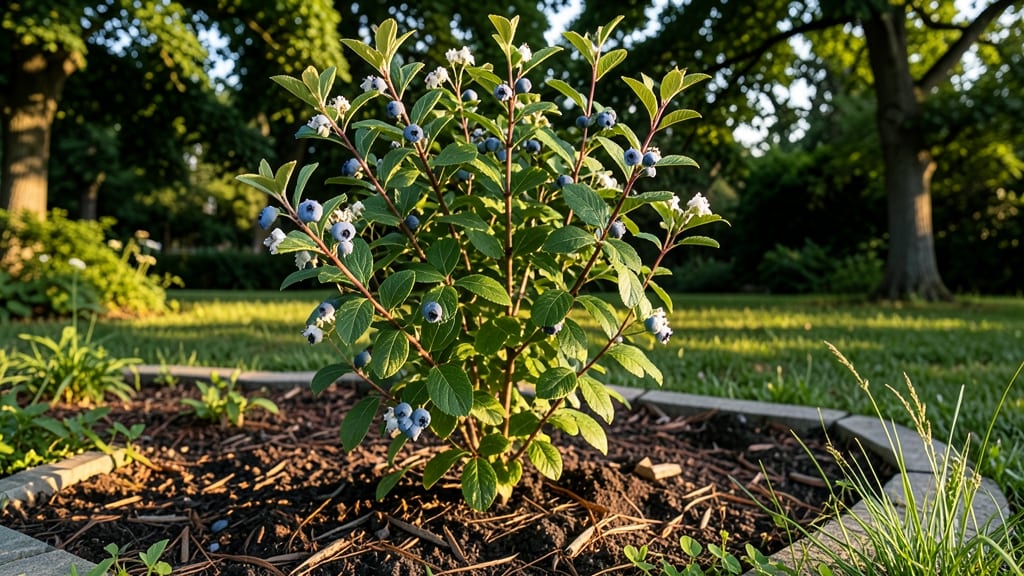
Transforming blueberry flowers into fruit is a delicate process that hinges on pollination, timing, and the right growing conditions 🫐 — and missing just one step can leave you with empty vines.
Picture this: your bushes are covered in delicate white or pink blossoms, but weeks later, there’s barely a berry in sight. That’s not just bad luck — it’s often a sign your plants aren’t getting the help they need to set fruit.
Whether it’s bees avoiding your garden or temperature swings throwing off the process, understanding the stages between bloom and harvest is the key to a bountiful crop.
In this guide, I’ll walk you through the five critical stages of blueberry fruit development, from pollination to ripe berries, plus the common mistakes that sabotage success. You’ll also learn how to boost pollination naturally (or manually) and keep your plants on track for a harvest-worthy yield.
By the end, you’ll know exactly what to watch for, when to step in, and how to turn every flower into a sweet, plump blueberry—no wasted blooms in sight.
The 5 critical stages of blueberry flower to fruit development
Blueberries transform from delicate flower buds to plump fruit through a 5-stage process that requires precise timing and conditions. Understanding each phase helps you maximize pollination and avoid common pitfalls like dropped buds or poor fruit set. Let’s break down what happens—and when—to ensure your bushes produce abundant harvests.
Stage 1 begins in late winter when buds form on last year’s wood. These tiny green swellings pack the genetic potential for your entire harvest. If temperatures dip below 20°F during dormancy, buds can freeze, leaving no flowers in spring.
Protect young plants with burlap wraps or row covers if your zone experiences harsh winters.
Stage 2 arrives with spring blooms, typically between March and May depending on your climate. Flowers appear as bell-shaped clusters, white to pale pink, and last just 5-7 days.
This brief window is critical: cooler nights (40-50°F) preserve flower longevity, while heatwaves above 85°F can cause buds to drop before pollination.
Here’s a quick reference for each stage’s key characteristics and what to watch for:
| Stage | Timeframe | Visual Cues | Critical Factors |
|---|---|---|---|
| Bud Formation | Late winter (Feb-Mar) | Green swellings on stems | Chill hours (300-900), no frost damage |
| Bloom | Spring (Mar-May) | Bell-shaped white/pink flowers | 40-70°F temps, no wind damage |
| Pollination | 5-7 days after bloom | Flowers wilt, tiny fruit forms | Bees/wind, no rain during bloom |
| Fruit Set | 2-3 weeks post-bloom | Pea-sized green berries | Consistent water, no stress |
| Ripening | 60-90 days total | Deep blue/purple, glossy | Sunlight, balanced nutrients |
Stage 3—pollination—occurs within 5-7 days of blooming. Blueberries rely on bees, wind, or manual help to transfer pollen. If you notice unopened flowers after blooming, your plants may need assistance. Hand-pollination with a soft brush works well for isolated bushes.
Avoid spraying water during bloom, as it can wash away pollen.
Once pollinated, fruit set begins as tiny green berries (Stage 4). This is where many gardeners see bud drop—a sign of stress from overwatering, drought, or temperature swings.
Maintain 1-2 inches of mulch to stabilize soil moisture and reduce stress. Thin overcrowded fruit to ½-inch spacing to prevent small, underdeveloped berries.
The final stage—ripening—takes 60-90 days from bloom. Berries start green, then turn pale pink/red, and finally deep blue or purple. A ripe blueberry will plump slightly when gently squeezed and have a sweet aroma.
Harvest every 2-3 days to prevent birds from stealing your crop—cover bushes with fine netting if needed.
Monitor your bushes weekly during these stages. Note color changes, fruit size, and any dropped buds in a garden journal. Adjust care based on what you observe—more mulch for drought stress, less water if berries split, or extra pollination help if flowers wilt without fruiting.
With attention to these 5 stages, your blueberry bushes will reward you with juicy, flavorful fruit year after year. The key is patience and precision—each phase builds on the last, so don’t rush the process! 🫐
How to boost blueberry pollination: natural & manual methods
Blueberry bushes rely on a delicate balance of pollinators, weather conditions, and timing to turn flowers into fruit. If your bushes are loaded with blooms but producing few berries, it’s often a pollination problem.
The good news? You can take action to improve fruit set using simple, effective methods—no fancy equipment required. Let’s explore how to give your blueberries the best chance to thrive.
First, understand that blueberries are self-pollinating but benefit from cross-pollination. While bees and wind play a natural role, environmental factors like rain, cold snaps, or lack of pollinators can disrupt the process.
By combining natural strategies (like attracting pollinators) with manual techniques (like hand-pollination), you can maximize your harvest. The key is acting early—once flowers open, time is of the essence.
- 1 Attract Pollinators: Plant bee-friendly flowers like lavender, borage, or native wildflowers near your blueberries. Avoid pesticides during bloom time—even natural ones can harm bees. Place bee houses or water sources (like shallow dishes with pebbles) to encourage visits.
- 2 Hand-Pollinate Flowers: On dry, windless mornings, use a soft paintbrush or cotton swab to transfer pollen from one flower to another. Focus on open blooms (avoid buds) and repeat every 2–3 days for 1–2 weeks. This mimics natural cross-pollination and works well in greenhouse or container setups.
- 3 Assist with Wind: Place a small fan on low speed near blooming bushes to simulate wind pollination. Position it 1–2 feet away and run it for 10–15 minutes daily during peak bloom. This helps release pollen from male flowers (which lack petals) to female flowers (with white or pink petals).
- 4 Optimize Timing: Blueberries bloom early in spring, often before bees are active. Prune lightly in late winter to encourage new growth that blooms slightly later, aligning with pollinator activity. Avoid heavy pruning, which can delay flowering and reduce fruit set.
- 5 Monitor for Stress: Drought or extreme heat can cause flowers to drop before pollination. Keep soil consistently moist (1–2 inches deep) and mulch with pine needles or wood chips to retain moisture and acidity. Avoid overhead watering, which can wash away pollen.
If you’re hand-pollinating, focus on female flowers—they’re the ones with white or pink petals and appear slightly larger. Male flowers (smaller, greenish, and petal-less) produce pollen but don’t develop fruit.
Pro tip: Label your bushes if you have multiple varieties, as cross-pollination between different types (like 'Bluecrop' and 'Duke') can yield larger, sweeter berries.
Patience is key! After pollination, it takes 60–90 days for blueberries to ripen. During this time, ensure your bushes get adequate water (1–2 gallons per plant weekly) and balanced fertilizer (like 10-10-10) to support fruit development.
Thin small berries if overcrowded—they’ll grow larger with proper spacing. With these methods, you’ll turn those blooms into a bountiful harvest.
🐝 Remember, even a few berries mean success—every pollinated flower is a step toward a sweeter garden! 🫐