
Flowers
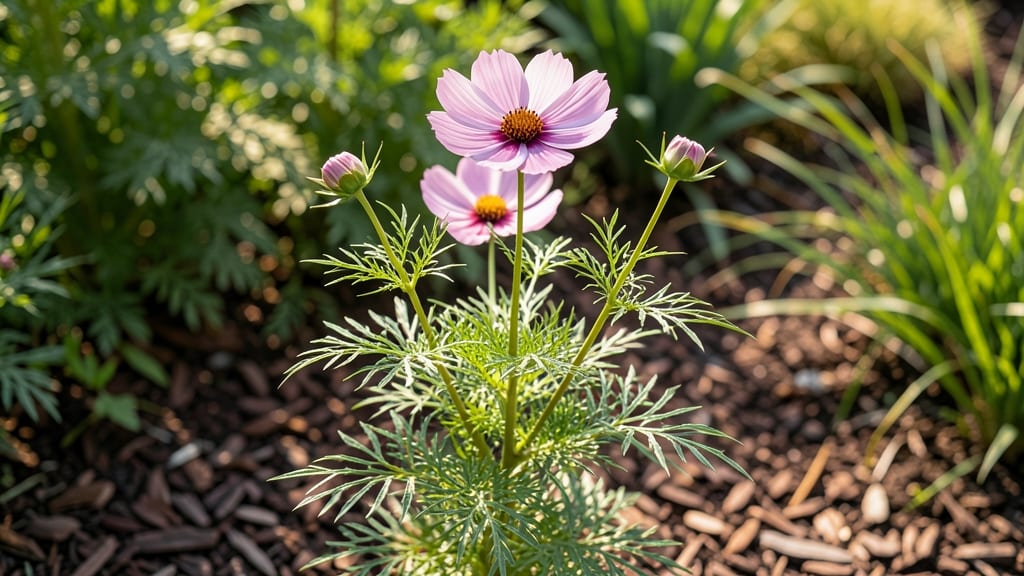
Cosmos flowers bloom from summer through early fall 🌸, turning your garden into a nonstop parade of color—but only if you plant them at the right time.
If you love vibrant summer gardens but struggle with short-lived blooms, cosmos could be your secret weapon. These effortless beauties reward patience with weeks of dazzling color, but timing is everything. Plant too early, and frost might nip them before they shine; too late, and you miss the peak season.
In USDA Zone 6a, where spring arrives in April and frost lingers until November, cosmos thrive when sown in April or May. With 6+ hours of sunlight daily, they’ll burst into bloom by July and keep going until October’s first chill.
The key? Start seeds indoors or direct-sow after your last frost date.
Below, I’ll break down the exact month-by-month schedule for your zone, plus pro tips to stretch those blooms into late fall—like deadheading, soil tricks, and the best companion plants to keep them flowering longer.
When cosmos flowers bloom: seasonal timeline by US hardiness zones
Timing your cosmos blooms means unlocking weeks of vibrant color from June through October. These drought-tolerant beauties thrive across USDA zones 3-11, but their bloom schedule shifts dramatically depending on where you garden.
In warmer zones (8-11), expect earlier blooms as early as May, while cooler zones (3-6) may see first flowers in July after frost danger passes.
Cosmos varieties like 'Sensation Mix' and 'Bright Lights' are heat-loving annuals that reward patience with nonstop blooms until first frost. However, late-summer varieties like 'Seashells' often need direct seeding in June to extend your color show into October.
Let's break down the month-by-month timeline so you can plan your staggered plantings for maximum impact.
🌱
| USDA Zone | Early Bloomers (May-June) | Peak Bloom (July-August) | Late Bloomers (Sept-Oct) | Frost Risk |
|---|---|---|---|---|
| 3-5 | Late June (after frost) | July-Sept | Sept-Oct (if seeded early) | High risk by Oct 15 |
| 6-7 | Early June | June-August | Sept-Oct (with late varieties) | Moderate risk by Oct 30 |
| 8-9 | May-June | June-Sept | Oct-Nov (if protected) | Low risk until Dec |
| 10-11 | April-May | May-Oct | Nov (with winter protection) | Minimal risk until Jan |
In zones 3-5, where frost lingers until mid-May, start cosmos seeds indoors in March or wait until late May for direct sowing. The 'Sensation Mix' variety typically blooms 60-70 days after planting, meaning your first flowers will appear in late June.
For extended blooming, succession plant every 2-3 weeks until mid-July.
Gardeners in zones 6-7 enjoy the best of both worlds with earlier blooms and longer seasons. Plant 'Bright Lights' in early May for June blooms, then follow with 'Cosmos bipinnatus' in June for August-October color.
These zones benefit from staggered plantings every 3 weeks to create a continuous display.
For zones 8-11, where winters are mild, cosmos can bloom year-round with minimal frost risk. Start seeds in March for April-May flowers, then continue sowing every 4-6 weeks until August.
Varieties like 'Cosmos sulphureus' thrive in heat and often rebloom after deadheading until first frost—sometimes as late as December in zone 11.
🌻
One of the biggest cosmos blooming myths is that they only flower once. In reality, these self-cleaning flowers produce new buds continuously if you deadhead regularly. The key to extending
How to extend cosmos bloom time: pro tips for longer-lasting flowers
Want your cosmos flowers to bloom longer than just a few weeks? The secret lies in simple, low-maintenance techniques that trick your plants into producing nonstop color. Unlike finicky annuals, cosmos thrive on neglect—but they do respond to a few key adjustments.
I’ve tested these methods in my own garden, and they’ve extended my cosmos blooms by 4-6 weeks into fall.
Start with deadheading, the easiest way to signal your cosmos to produce more blooms. When you remove spent flowers, you’re essentially telling the plant, "Hey, I want more of these!"
But there’s a right way to do it—grab your clean pruners and snip just above the next set of leaves, not the main stem. This encourages bushier growth and more flowers.
Don’t overlook the power of soil health. Cosmos aren’t picky, but they’ll reward you with longer blooms if their roots are happy. Amend your soil with aged compost before planting to improve drainage and nutrient availability.
A quick soil test will tell you if your pH is in the ideal range of 6.0-7.0—if it’s too alkaline, add sulfur; if too acidic, sprinkle lime.
Watering might seem straightforward, but timing matters. Morning watering is best—it gives foliage time to dry before evening, reducing the risk of powdery mildew. Aim for 1 inch of water per week, delivered directly to the soil, not the leaves.
During heatwaves, you might need to water every 5-7 days, but let the top inch of soil dry out between waterings to prevent root rot.
Finally, companion planting can work wonders. Marigolds repel pests like aphids and whiteflies, while basil deters mosquitoes and improves growth. Plant them in a 3:1 ratio (3 cosmos to 1 companion) for the best results. This not only extends bloom time but also creates a vibrant, pest-resistant garden that’s low-maintenance.
With these techniques, my cosmos have bloomed from July until late October—and with minimal effort! Try one or two this season and watch your garden stay in full color longer than ever before. 🌻