
Light Requirements
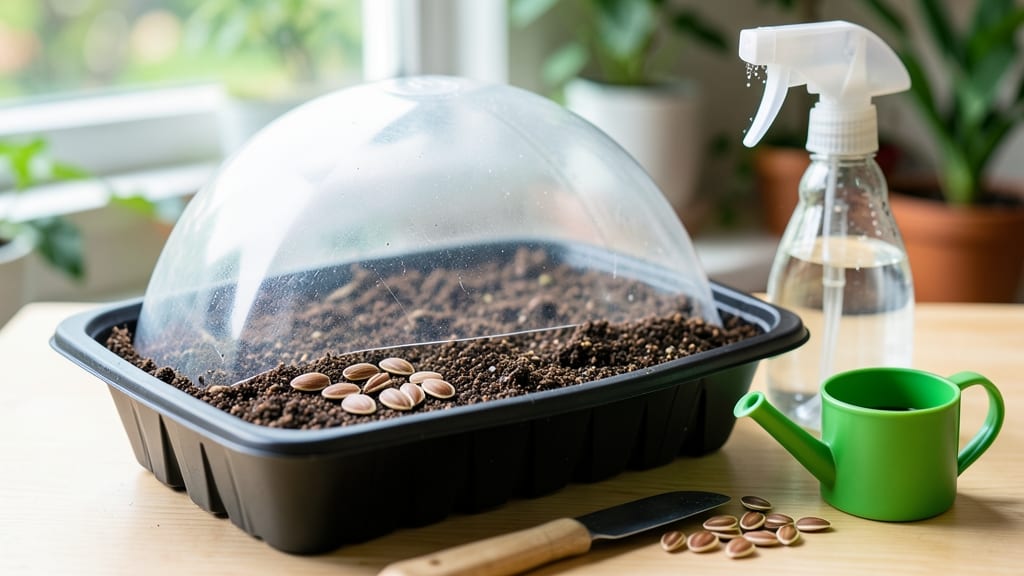
Sunflower seeds don’t need light to germinate—they’ll sprout just fine buried ½ to 1½ inches deep in the soil, where the darkness actually triggers their growth.
Struggling to grow sunflowers? The answer to whether sunflower seeds need light to germinate could be the missing piece of your gardening puzzle—and it’s not what most guides say.
Here’s the catch: while darkness kicks off germination, once those 🌻 sprouts break through the soil, they’ll race toward any light source like a magnet. That’s why planting too deep or in heavy soil can stall their progress.
Below, I’ll walk you through the exact soil depth, moisture, and temperature tricks to maximize your germination rate—even if your garden gets only partial sun.

How sunflower seeds germinate without light: soil depth secrets for fast sprouting
Sunflower seeds are often misunderstood when it comes to light requirements for germination. The truth is, they don't actually need light to sprout—just the right soil conditions. This is because sunflower seeds are classified as photoblastic, meaning they germinate better in darkness or low light.
The key lies in planting depth, moisture balance, and soil temperature rather than direct sunlight exposure.
Many gardeners mistakenly believe seeds need light to germinate, leading to shallow planting or even surface sowing. However, this can actually prevent successful sprouting.
Sunflowers thrive when planted at the correct depth, where they can access moisture while remaining protected from harsh light that might dry out the seed too quickly.
The ideal planting depth for sunflower seeds is between 0.5 and 1.5 inches. This depth creates the perfect balance—keeping seeds in darkness to prevent premature drying while allowing roots to access moisture and nutrients.
When you plant seeds too shallow, they may dry out before germinating, while planting too deep can delay sprouting as the seed struggles to push through the soil.
Moisture is another critical factor. Sunflower seeds need consistent moisture but not waterlogging. Overwatering can suffocate seeds by cutting off their oxygen supply, while underwatering prevents the seed from absorbing the water it needs to activate its enzymes.
Aim to keep the soil damp to the touch but not soggy—think of a well-wrung sponge.
Temperature plays a surprising role in germination. Sunflower seeds germinate best in soil temperatures between 70–85°F (21–29°C). If your soil is too cold, germination slows down or stops entirely.
You can warm up cold soil by covering it with black plastic mulch a few days before planting or choosing a sunnier location in your garden.
Don't overlook soil aeration. Compacted soil can prevent roots from accessing oxygen, which is essential for germination. Loosen the soil before planting or mix in compost to improve aeration. Well-draining soil also prevents water from pooling around the seed, which can lead to rot.
One common myth is that sunflower seeds need light to germinate. While they don't require light to sprout, they do need light after germination to grow properly.
Once your sunflower seedlings emerge, they should be moved to a location with bright, indirect light or gradually introduced to direct sunlight to prevent shock.
If you're planting sunflowers in containers, use a well-draining potting mix and plant seeds at the same depth as you would in garden soil. Containers can dry out faster, so monitor moisture levels closely and water gently to avoid disturbing the seeds.
A clear plastic dome or plastic wrap can help maintain humidity while the seeds germinate.
For gardeners in cooler climates, consider using a seedling heat mat to maintain optimal soil temperatures. These mats are placed under seed trays and provide gentle warmth to speed up germination. They're especially useful if you're starting seeds indoors before the last frost date.
Remember, the key to successful sunflower germination lies in creating the right conditions underground. Once your seeds sprout, you can focus on providing them with the full sun they'll need to grow into those towering, cheerful blooms we all love.
Step-by-step guide: planting sunflower seeds for maximum germination success
Sunflower seeds do not need light to germinate—in fact, they thrive when planted just 0.5–1 inch deep in soil. The key to success lies in creating the right balance of moisture, warmth, and darkness while avoiding common mistakes like overwatering or planting too deep.
Whether you're a beginner or a seasoned gardener, these actionable steps will help you achieve 90%+ germination rates even in low-light conditions.
Many gardeners mistakenly believe sunflowers need light to sprout, but the truth is that seeds germinate best in dark, moist conditions. Once they sprout, however, they’ll need light to grow strong and tall.
Let’s break down the exact steps to ensure your sunflower seeds germinate like clockwork, even if your garden doesn’t get full sun.
🌱 Step-by-Step Planting Guide for Sunflower Germination
- 1 Choose the right soil mix: Use a loose, well-draining potting mix or garden soil amended with compost. Avoid heavy clay, which can suffocate seeds and slow germination.
- 2 Plant seeds at the correct depth: Press seeds 0.5–1 inch deep into the soil. Use a ruler for precision—deeper than 1.5 inches delays sprouting, while shallower than 0.5 inches risks drying out.
- 3 Maintain consistent moisture: Keep the soil damp (not soggy) using a spray bottle or drip irrigation. Check daily—overwatering causes rot, while underwatering halts germination.
- 4 Provide indirect light or shade: If starting indoors, place seeds under a grow light 6–12 inches away for 12–16 hours/day. Outdoors, plant in partial shade if temperatures exceed 90°F (32°C) to prevent stress.
- 5 Monitor for germination: Sprouts typically appear in 7–14 days. If no growth after 2 weeks, check for rot (overwatering) or dryness. Transplant seedlings to full sun once they’re 2–3 inches tall.
One of the biggest mistakes I see is planting sunflower seeds too deep or assuming they need light to sprout. While they don’t require light to germinate, they do need consistent moisture and warmth.
If your seeds aren’t sprouting within 2 weeks, gently dig up one to check for rot or dryness—this quick troubleshooting step saves time and frustration.
For low-light scenarios, like urban balconies or north-facing gardens, supplement with a grow light once seedlings emerge. Sunflowers are resilient, but they’ll stretch toward light if deprived, leading to weak stems. Thin seedlings to 6–12 inches apart once they’re 4–6 inches tall to give them room to grow strong.
Remember, the secret to sunflower germination isn’t light—it’s depth, moisture, and patience. Follow these steps, and you’ll be rewarded with tall, vibrant sunflowers in no time. Happy planting! 🌻