
Flowers
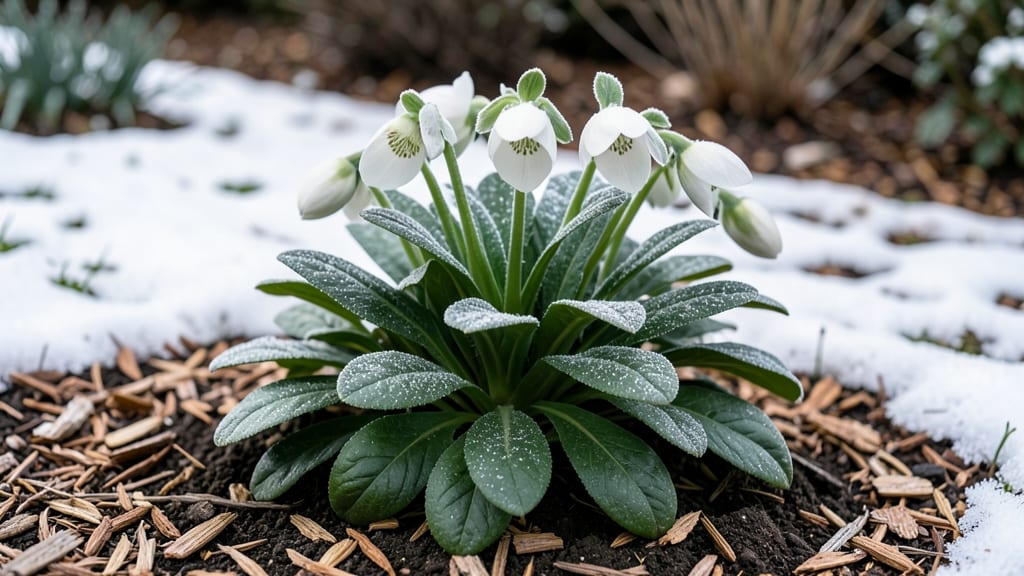
Winter-blooming flowers outside can transform your yard into a frost-resistant paradise, proving that cold weather doesn’t mean colorless gardens.
Picture this: bright yellow Winter Jasmine 🌸 clinging to bare branches in Zone 6a, or delicate snowdrops peeking through snow—these aren’t just survivors, they’re stars of the winter landscape. Many gardeners assume winter blooms require constant fuss, but the right choices thrive with minimal effort.
From September planting to March blooms, these hardy varieties beat the odds with resilience built for freezing temps. I’ll walk you through the top cold-hardy picks, when to plant them for maximum impact, and how to keep them flourishing through frost—no greenhouse required.
Ready to ditch the winter doldrums? Discover which flowers defy the cold, how to care for them, and how to design a winter garden that’s just as stunning as your spring borders.
Top 10 cold-hardy flowers that bloom in winter outside
Winter gardens can be just as vibrant as spring or summer ones—you just need to know which cold-hardy flowers to plant. These resilient bloomers thrive in frost and bring color and life when most gardens are dormant.
Whether you're in USDA Zone 3 or Zone 8, these winter wonders will keep your landscape stunning year-round.
Many gardeners assume winter flowers are delicate, but these hardy perennials prove otherwise. They often bloom earlier than spring flowers and require minimal care once established.
Let’s explore my top 10 picks, including their USDA hardiness zones, bloom times, and ideal growing conditions to help you create a winter garden that stands out.
⚠️ MANDATORY VISUAL ELEMENT:
| Flower Name | USDA Zones | Bloom Time | Sunlight Needs | Notes |
|---|---|---|---|---|
| Hellebore (Lenten Rose) | 4-9 | Late winter to early spring | Partial shade to full shade | Tolerates wet soil; deer-resistant |
| Winter Aconite (Eranthis hyemalis) | 3-8 | January to March | Full sun to partial shade | Bright yellow blooms; spreads easily |
| Snowdrops (Galanthus) | 3-9 | December to February | Partial to full shade | One of the first flowers to bloom |
| Witch Hazel (Hamamelis) | 4-8 | Late fall to early winter | Full sun to partial shade | Fragrant flowers; stunning foliage |
| Winter Jasmine (Jasminum nudiflorum) | 6-9 | January to March | Full sun | Bright yellow flowers; great for trellises |
| Crocus (Spring Crocus) | 3-8 | February to April | Full sun to partial shade | Naturalizes well; edible flowers |
| Pansies (Viola) | 5-10 | Fall to early spring | Full sun to partial shade | Cold-tolerant annuals; vibrant colors |
| Horned Violet (Viola cornuta) | 4-9 | Winter to early spring | Partial to full shade | Unique horn-shaped petals; spreads quickly |
| Christmas Rose (Helleborus niger) | 4-9 | December to February | Partial shade | Classic winter bloomer; evergreen foliage |
| Dwarf Iris (Iris histrioides) | 4-8 | February to March | Full sun to partial shade | Dwarf variety; striking purple blooms |
Each of these winter-blooming flowers offers unique benefits. For example, Hellebores thrive in shady spots and tolerate wet soil, making them perfect for woodland gardens.
Meanwhile, Winter Jasmine needs full sun and climbs beautifully on trellises, adding vertical interest to your landscape. Snowdrops and Crocus are early bloomers that signal the end of winter’s chill.
When selecting plants, consider your USDA hardiness zone and local climate. Some, like Witch Hazel, bloom in late fall and early winter, while others, like Pansies, extend your color palette well into spring.
Mixing these flowers with evergreens or ornamental grasses creates a textured winter garden that remains visually appealing even in frost.
Most of these flowers prefer well
How to choose and plant winter-blooming flowers for maximum impact
Selecting the right winter-blooming flowers starts with understanding your USDA hardiness zone and local microclimate. For example, Winter Jasmine thrives in Zone 6a and needs 6+ hours of sunlight, while Hellebores prefer partial shade in Zones 4-9.
Always check the plant’s mature height—some like Witch Hazel can reach 15 feet, while Snowdrops stay under 12 inches.
Before planting, test your soil pH—most winter bloomers prefer slightly acidic to neutral soil (6.0-7.0). Amend heavy clay with compost or sand to improve drainage, as soggy roots spell disaster in winter. I’ve found that well-draining soil is non-negotiable for Winter Aconite, which rots if overwatered.
🌱 Top 5 Winter-Blooming Flowers & Their Planting Essentials
- 🌸 Winter Jasmine – Plant in full sun, Zone 6a+, September-October for March-April blooms.
- 🌿 Hellebores – Thrives in partial shade, Zones 4-9, fall planting for late winter flowers.
- ❄️ Snowdrops – Prefers moist, well-draining soil, Zones 3-9, September planting for January-February blooms.
- 🌳 Witch Hazel – Needs full sun to partial shade, Zones 4-8, fall or spring planting for late winter color.
- 🌼 Crocus – Ideal for rock gardens, Zones 3-8, fall bulbs bloom December-April.
✨ Pro Tip: Mulch with 3-4 inches of straw after planting to insulate roots from freeze-thaw cycles.
Timing your planting window is critical—most winter bloomers need 6-8 weeks before the first frost to establish roots. For Zone 6a, that means late September for Winter Jasmine, while Crocus bulbs can go in as early as August.
I always mark my last frost date (April 15 in my area) to plan ahead for spring bloomers like Daffodils.
When planting, dig a hole twice as wide as the root ball but only as deep as it was in its container. This prevents root suffocation and encourages upward growth.
For climbing varieties like Winter Jasmine, install a trellis immediately—waiting until spring risks weak stems that can’t support the plant’s weight.
After planting, water deeply to settle the soil and remove any air pockets. In winter, reduce watering to monthly light soaks unless we experience prolonged drought. Overwatering in cold weather leads to root rot, a common killer of winter bloomers.
I’ve learned the hard way that less is more when the ground is frozen.
For maximum impact, group plants by height and bloom time. Place tall varieties like Witch Hazel at the back of borders, medium-height Hellebores in the middle, and low-growing Snowdrops at the front.
This creates a staggered bloom effect from December through April, ensuring your garden never looks bare.
Finally, protect new plantings from harsh winds with a burlap windbreak or by planting near evergreen shrubs. In my Zone 6a garden, I’ve seen Winter Aconite survive -20°F with this simple trick.
With the right location, soil prep, and timing, your winter garden will be the neighborhood envy—even when everything else is dormant.