
Flowers
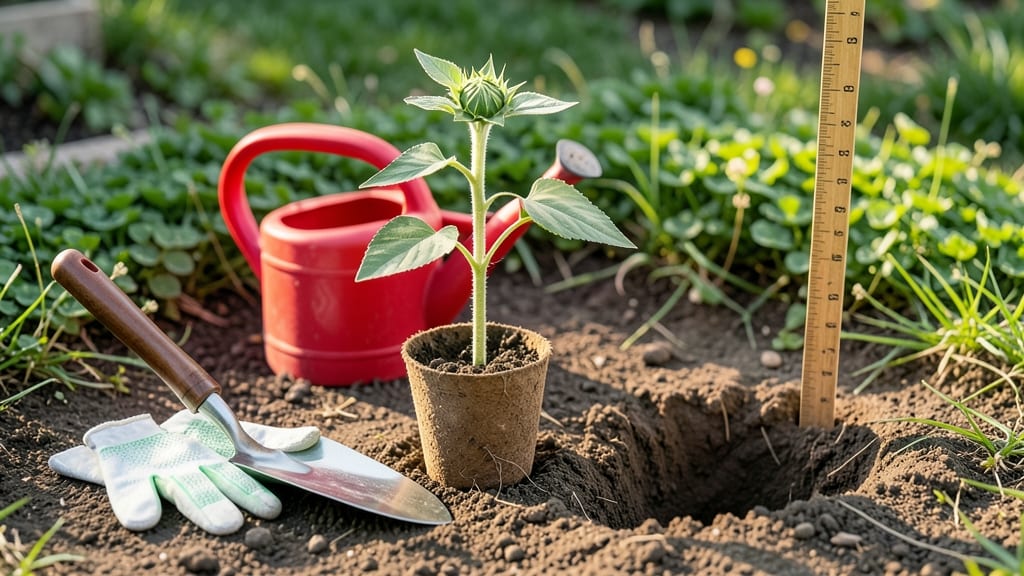
To transplant sunflowers successfully, dig a hole deep enough to match the seedling's root length—typically 1-2 inches deeper than the nursery pot's base for stability.
Struggling with weak sunflower seedlings? The secret to thriving transplants lies in perfect root depth—plant too shallow, and they’ll flop; too deep, and they’ll suffocate. I’ve seen 6-foot stalks collapse from improper depth, but the fix is simple once you know the science.
Sunflowers 🌻 thrive when their roots anchor securely in loose, well-drained soil. Unlike delicate herbs, they need room to spread—think of it like planting a 3-foot sapling with a 2-foot root system hidden below. The key is mimicking their natural growth pattern.
Below, I’ll walk you through the exact depth for seedlings at different stages, how to prep the soil, and the 3 common mistakes that stunt growth. By the end, you’ll transplant with confidence—and watch those towering blooms reach their full potential.


Optimal sunflower transplant depth by seedling age and root structure
Transplanting sunflowers at the wrong depth can stunt growth or even kill seedlings. The key lies in matching the seedling’s root structure to your soil conditions. Unlike shallow-rooted plants, sunflowers need deep, stable support to prevent toppling as they grow. Here’s how to get it right every time.
For young seedlings (1-2 weeks old), focus on root length rather than stem height. At this stage, roots may only be 1-2 inches long, but planting too deep can suffocate them. Use your finger to gently loosen soil around roots—this helps them establish faster without stress.
As seedlings mature (3-4 weeks old), their roots develop deeper taproots. Here, depth becomes critical. The general rule is to plant at the same depth they grew in pots, but adjust for soil type. Sandy soil? Plant slightly deeper. Clay-heavy? Keep it shallower to prevent waterlogging.
Here’s a quick reference for optimal transplant depth based on seedling age and root structure:
When transplanting, avoid burying the stem—this can cause rot. Instead, dig a hole twice as wide as the root ball to encourage outward growth. Gently tease roots if they’re circling the pot, then place the seedling so the soil line matches the pot’s rim.
For dwarf varieties (1-3 ft tall), shallower planting (1-1.5 inches) works best. Their roots stay compact, so deeper planting risks suffocation. Meanwhile, tall varieties (6-14 ft) need the full 3-4 inches to anchor their massive stems against wind.
One common mistake? Packing soil too tightly around roots. Instead, fill the hole halfway, water lightly, then add more soil. This reduces air pockets while preventing compaction. A light hand-tamping after planting helps stabilize the seedling without crushing roots.
After transplanting, water deeply but gently to settle soil around roots. Avoid overhead watering for 24 hours—this prevents soil from sticking to leaves and causing fungal issues. Mulch with 2-3 inches of straw to retain moisture and regulate soil temperature.
Monitor your sunflowers for early signs of stress: yellowing leaves or wilting can indicate improper depth. If leaves turn purple, roots may be too deep and struggling for oxygen. Adjust care by loosening soil around the base or adding compost to improve drainage.
With the right depth, your sunflowers will develop strong taproots and tower above your garden in no time. Happy planting! 🌻
Common sunflower transplant mistakes that stunt growth (and how to fix them)
Transplanting sunflowers seems simple, but small mistakes can leave your seedlings struggling. I’ve seen sunflower transplants flop from root damage or poor soil contact, and it’s heartbreaking to watch.
The key is understanding what your plants need during this critical transition phase. Let’s fix these common errors before they derail your sunflowers’ growth.
First, the biggest mistake is burying roots too deep. Sunflowers have delicate taproots that can suffocate if planted below their original soil line. Unlike some vegetables, they don’t recover well from being buried too low.
The solution? Match the transplant depth to the seedling’s nursery pot level. This ensures roots stay aerated and can access nutrients efficiently.
⚠️ Warning: The #1 Sunflower Transplant Mistake
Planting sunflowers too deep (below the cotyledons) causes stem rot and weak stems. Never bury more than 1/4 inch of the stem—this is the maximum safe depth for sunflower transplants.
Another frequent error is skipping root pruning before transplanting. When roots circle tightly in pots, they struggle to spread in the garden. Use clean scissors to trim any roots growing in circles by about 1/3 of their length.
This encourages outward growth and prevents girdling. I always do this with my sunflower seedlings—it makes a noticeable difference in their stability after transplanting.
Improper soil compaction is another silent growth killer. When you transplant, gently firm the soil around the roots, but don’t pack it down hard. Use your fingers to create small air pockets around the roots—this helps them establish faster.
For heavy clay soils, I mix in compost or perlite to improve drainage and prevent waterlogging, which can drown sunflower roots.
Don’t forget about spacing mistakes. Crowded sunflowers compete for sunlight and nutrients, leading to leggy, weak stems. Give each plant at least 12-18 inches of space between them.
For larger varieties, space them 24 inches apart to prevent overcrowding. Proper spacing also improves air circulation, reducing the risk of fungal diseases that can stunt growth.
Finally, neglecting post-transplant care is a common oversight. After transplanting, water deeply to settle the soil and remove any air pockets. Then, mulch around the base with 2-3 inches of organic mulch to retain moisture and regulate soil temperature.
I always water my sunflowers in the morning to reduce evaporation and fungal risks—this simple habit keeps them thriving.
By avoiding these mistakes, your sunflowers will establish strong roots and grow tall and healthy. The secret is in the details: proper depth, gentle handling, and attentive care. With these fixes, you’ll see your sunflowers reach their full potential this season! 🌻