
How To
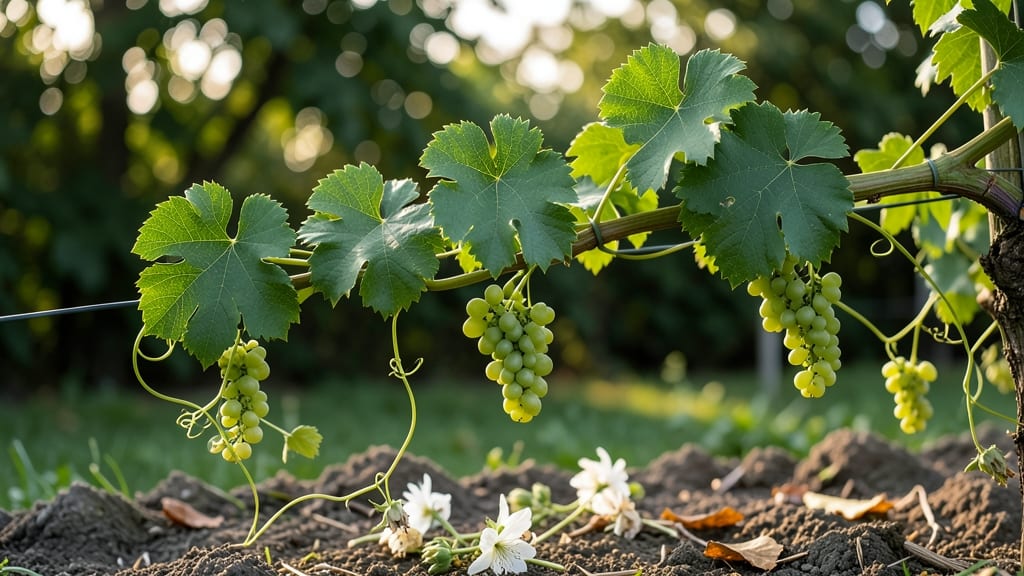
Grapes take about 6 to 12 weeks to grow after flowering to harvest, a window where patience and the right conditions make all the difference.
Picture this: your 🍇 grapevines burst into bloom in spring, only to leave you staring at empty clusters weeks later, wondering where the fruit went. That frustration happens when you miss the critical milestones—berry set, rapid growth, and ripening—that unfold in this tight timeline.
Table grapes and wine grapes follow similar stages, but their schedules can shift based on your USDA Zone 6a climate, pruning habits, and even how much you water. Too little sun?
The vines stall. Too much heat? The berries shrivel. Get the balance right, and you’ll go from flowers to a harvest-worthy cluster in just two months.
Below, I break down the exact week-by-week changes you’ll see, plus the 5 key factors that speed up or slow down growth—so you can troubleshoot before the season slips away.


The 6-12 week growth timeline: from flowering to fruit development in grapes
After those stunning grapevine flowers bloom, the real magic happens—tiny berries swell into juicy clusters. But how long does this transformation take? The answer depends on your grape variety, climate, and care routine.
On average, grapes take 6-12 weeks from flowering to harvest, but this timeline can stretch or shrink based on environmental factors. Understanding each stage helps you anticipate milestones and troubleshoot delays.
For table grapes like Thompson Seedless, the journey from flower to fruit typically spans 8-10 weeks, while wine grapes like Cabernet Sauvignon may take 10-12 weeks to mature. The key is recognizing when your vines enter each growth phase—berry set, rapid expansion, and ripening—and how to support them.
Let’s break down what happens week by week, so you can nurture your crop like a pro.
📌 Key Milestones: Berry set (weeks 1-2), rapid growth (weeks 3-6), and maturation (weeks 7-12). Each phase demands different care, from water management to pest prevention. Missing a step could mean smaller fruit or uneven ripening. Here’s how to stay on track.
| Stage | Timeframe | Key Actions | Environmental Needs |
|---|---|---|---|
| Berry Set | Weeks 1-2 | Hand-pollinate if needed; monitor for shatter (flower drop). | 60-75°F, full sun, consistent moisture. |
| Rapid Growth | Weeks 3-6 | Thin clusters to 1-2 inches apart; fertilize with potassium. | 70-85°F, 6+ hours sun, deep watering. |
| Color Change | Weeks 7-8 | Reduce water slightly; protect from birds. | 75-90°F, partial shade if extreme heat. |
| Maturation | Weeks 9-12 | Harvest when berries detach easily and taste sweet. | 65-80°F, monitor for frost risk. |
During the first 2 weeks (berry set), tiny berries form after successful pollination. This is when flower shatter—where flowers drop without setting fruit—can occur. To prevent this, ensure your vines get consistent water and full sun exposure.
If you notice excessive drop-off, gently shake the vines to encourage pollination or hand-pollinate with a soft brush. Cool temperatures below 60°F can slow this stage, so protect young clusters with row covers if frost threatens.
Weeks 3-6 mark rapid growth, where berries swell from pea-sized to nearly full size. This is the most water-intensive phase, so deep watering 2-3 times per week is critical. Lack of moisture here leads to small, hard grapes.
Meanwhile, thin clusters to improve air circulation—aim for 1-2 inches between berries. Prune suckers and leaves shading the fruit to boost sunlight penetration. If your vines look stressed, a potassium-rich fertilizer can help firm up fruit structure.
By weeks 7-8, grapes undergo their color change, shifting from green to their mature hue (purple, red, or black). This phase is all about sugar development, so reduce water slightly to concentrate flavors.
Watch for bird damage—netting can save your crop. If nights stay warm (75°F+), grapes may ripen faster, but extreme heat can cause sunburn. Provide afternoon shade if temperatures soar above 90°F.
In the final 4 weeks (weeks 9-12), grapes reach harvest readiness. Test ripeness by checking for easy detachment from the vine and a sweet-tart flavor. For wine grapes, monitor sugar levels with a refractometer.
If your region experiences early frosts, harvest 2-3 weeks early to avoid damage. Once picked, store grapes at 32-40°F to extend shelf life. Patience here ensures the best flavor and texture.
Environmental factors like temperature, sunlight, and water can shift this timeline dramatically. For example, cooler climates may extend the process to 14 weeks, while hot, dry summers can speed ripening to just 6 weeks.
Keep a gardening journal to track your vines’ progress and adjust care accordingly. With the right attention, your grapevines will reward you with a bountiful, flavorful harvest.
5 Key factors that speed up or delay grape growth after flowering
After those first delicate grape flowers bloom, your vines enter a 6-12 week race against time to develop fruit. But here’s the catch: some factors can accelerate growth by 30%, while others stall development entirely.
The right balance of nutrients, pruning, and pest control determines whether you’ll enjoy plump clusters or tiny, underdeveloped berries.
I’ve grown grapes in USDA Zone 6a for years, and I’ve learned that soil nutrients—especially potassium and phosphorus—are the foundation. Without them, your vines might flower beautifully but fail to set fruit.
Meanwhile, pruning techniques and cluster thinning can transform a meager harvest into a lush, bountiful one. Let’s break down the 5 critical factors that make or break your grapevine’s success.
Boost fruit set and vine health with a balanced 10-10-10 fertilizer applied 4-6 weeks after flowering. Test soil for deficiencies—low phosphorus stunts root growth, while potassium shortages lead to weak berries.
Prune dormant vines in late winter to remove dead wood and overcrowded canes. Leave 2-4 buds per spur for balanced growth. Avoid heavy pruning post-flowering—it stresses vines and delays fruit development.
Use bird netting to protect clusters from pecking. Monitor for powdery mildew—spray with neem oil or sulfur at first signs. Fungal infections can halt growth by clogging leaf pores and reducing photosynthesis.
Remove 1/3 of small clusters 4-6 weeks after flowering. This redirects energy to larger, higher-quality berries. Overcrowded clusters lead to shatter (fruit drop) and stunted growth.
Water deeply every 3-5 days during fruit development. Avoid wetting leaves to prevent fungal diseases. Drought stress slows berry expansion, while overwatering causes split fruit.
One mistake I made early on was ignoring cluster thinning. I thought more grapes meant a better harvest, but my berries stayed tiny and uneven. After thinning, my Concord grapes doubled in size and ripened 2 weeks faster. It’s a small effort with a huge payoff.
If your grapes are growing slower than expected, start with a soil test—most home gardeners overlook nutrient deficiencies. Add compost or a slow-release fertilizer if needed, and keep an eye on pruning wounds for signs of infection.
With these adjustments, you’ll see noticeable growth in just 2-3 weeks.
Remember, grapes thrive on routine. Stick to a consistent watering and fertilizing schedule, and your vines will reward you with juicy, sun-ripened fruit in no time. The key is patience—those 6-12 weeks fly by when you’re watching your clusters swell!