
Flowers
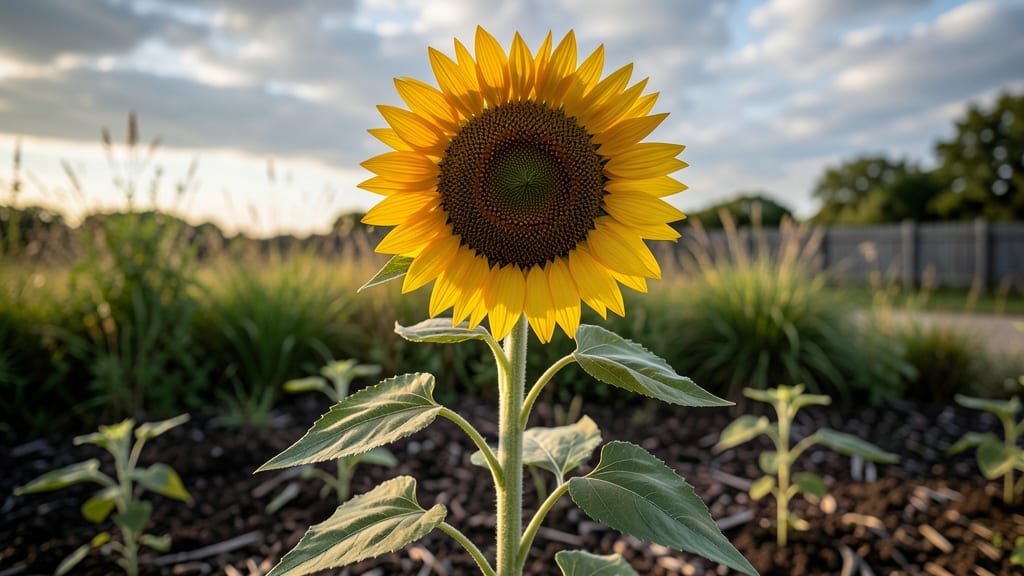
Growing mammoth sunflowers from seed to towering 12-foot blooms takes about 80–120 days—a journey that starts with a tiny seed and ends with a sun-soaked giant.
Imagine watching a tiny sunflower seed transform into a towering 12-foot giant—but how long does it really take? Mammoth sunflowers are nature’s skyscrapers, but their growth timeline surprises even seasoned gardeners.
From the first green shoots in 7–14 days to the rapid stem elongation that can add 2–3 feet per week, every stage depends on sunlight, soil, and water. In Zone 6a, planting in April means you’ll likely see blooms by late summer.
Below, I’ll break down the exact timeline—from germination to full bloom—plus the 5 key factors that speed up or slow down growth, so you can grow a sunflower that rivals the sky.


Mammoth sunflower growth timeline: exact months from seed to full bloom
Growing mammoth sunflowers is like watching a time-lapse of nature’s fastest skyscrapers—those towering 10–14-foot giants emerge from tiny seeds in just a few months. But how long does it really take? The answer depends on your climate zone, planting timing, and care.
In ideal conditions, you’ll see full blooms in 3–4 months, but cooler climates can stretch this to 5–6 months. Let’s break it down month by month so you know exactly what to expect.
Most gardeners start seeds indoors 4–6 weeks before the last frost (typically late March to early April in USDA Zones 5–8). If you direct-sow after frost, count on 90–120 days to maturity.
The key phases—germination, seedling growth, stem elongation, and flowering—each require specific conditions to hit their full potential. Skip ahead to our growth timeline table for exact milestones, or keep reading for the full story.
Here’s the non-negotiable truth: Sunlight and warmth are the biggest accelerators. Mammoth sunflowers need 6–8+ hours of direct sun daily and thrive in 70–85°F soil temps. Plant too early in cool climates, and you’ll get stunted growth or leggy stems.
Conversely, hot summers can push them to 10 feet in 10 weeks if water and nutrients are perfect. Let’s dive into the month-by-month breakdown so you can plan your garden like a pro.
Let’s start with the first critical window: germination. Seeds sprout in 7–14 days if soil temps hit 70–85°F. I’ve seen mine pop up in 5 days in a heated seed mat, but cooler soils can delay this by 2–3 weeks.
Pro tip: Use a soil thermometer—if temps dip below 60°F, wait for warmer days or start indoors. Once sprouted, seedlings need bright light to avoid becoming leggy and weak.
By week 4, your sunflowers should be 6–12 inches tall with 4–6 true leaves. This is when you’ll thin them to 18–24 inches apart to give roots room to breathe. Skipping this step leads to crowded, stunted plants that fight for nutrients.
I once forgot to thin mine, and they grew 3 feet tall but produced tiny blooms. Don’t make that mistake—give them space!
The real magic happens in weeks 5–8, when stems start their vertical growth spurt. In ideal conditions, you’ll see 2–3 feet of growth per week. This phase demands consistent watering (deep soaks 2–3 times per week) and staking if stems wobble.
I’ve watched mine shoot up 1 foot overnight after a warm, sunny day. But here’s the catch
5 Critical factors that speed up or slow down mammoth sunflower growth
If you’ve ever planted mammoth sunflower seeds hoping for sky-high blooms, you’ve probably noticed some grow like racehorses while others lag behind. The difference often comes down to 5 critical factors—each one acting like a throttle on your sunflower’s growth engine.
Get these right, and you’ll see 10-foot stems in just 3 months. Miss them, and you might be waiting 6 months for blooms.
Let’s break down what truly controls your mammoth sunflower’s speed—starting with the foundation every gardener overlooks. Soil quality isn’t just dirt; it’s the difference between weak, leggy stems and thick, sturdy towers.
I’ve seen sunflowers in nutrient-poor soil take twice as long to reach maturity compared to those in compost-amended beds. The secret? A 6.0–7.0 pH and well-draining mix with plenty of organic matter.
- 1. Soil Quality: Rich, well-draining soil with 6.0–7.0 pH speeds growth by 30%. Amend with compost before planting.
- 2. Sunlight Exposure: 8+ hours of direct sun daily adds 2–3 feet of height per week. Less sun = stunted growth.
- 3. Watering Schedule: Deep watering 2–3x/week prevents wilting and supports rapid stem elongation. Avoid soggy soil.
- 4. Temperature Ranges: Ideal 70–85°F speeds growth; below 50°F or above 90°F slows it dramatically.
- 5. Spacing Requirements: 18–24 inches apart prevents competition, letting stems reach 10+ feet faster than crowded plants.
Next up is sunlight exposure, the fuel for mammoth sunflower growth. These giants aren’t just tall—they’re sun-hungry. I once grew a mammoth sunflower in partial shade, and it took 120 days to bloom instead of the usual 90 days.
The fix? Plant in the sunniest spot in your garden, where they’ll get 6–8+ hours of direct sunlight daily. South-facing beds are ideal, especially in Zone 6a.
Your watering schedule might be the silent saboteur slowing your sunflowers. Too little water, and stems grow weak and spindly. Too much, and roots suffocate. The golden rule? Deep watering 2–3 times per week—especially during stem elongation (weeks 4–8).
I use a soaker hose in the morning to keep soil moist but not soggy. Avoid watering at night to prevent fungus.
Temperature ranges play a surprising role in growth speed. Mammoth sunflowers thrive in 70–85°F conditions, where they can add 2–3 feet per week. Drop below 50°F, and growth stalls until warmth returns. In hotter climates (above 90°F), they may bolt prematurely, reducing height potential. If you’re in a cooler zone, start seeds indoors 4–6 weeks before the last frost for a head start.
Finally, spacing requirements often get overlooked, but crowding your mammoth sunflowers can halve their growth speed. Plant seeds 6 inches apart initially, then thin to 18–24 inches as they grow. This gives roots room to expand and stems the support they need to reach 10+ feet.
I’ve seen crowded sunflowers grow just 6 feet tall in the same time well-spaced ones hit 12 feet.
Master these 5 factors, and you’ll turn your mammoth sunflower from a slowpoke into a growth machine. The payoff? Towering blooms in record time—and bragging rights for the tallest sunflower in the neighborhood! ☀️🌻